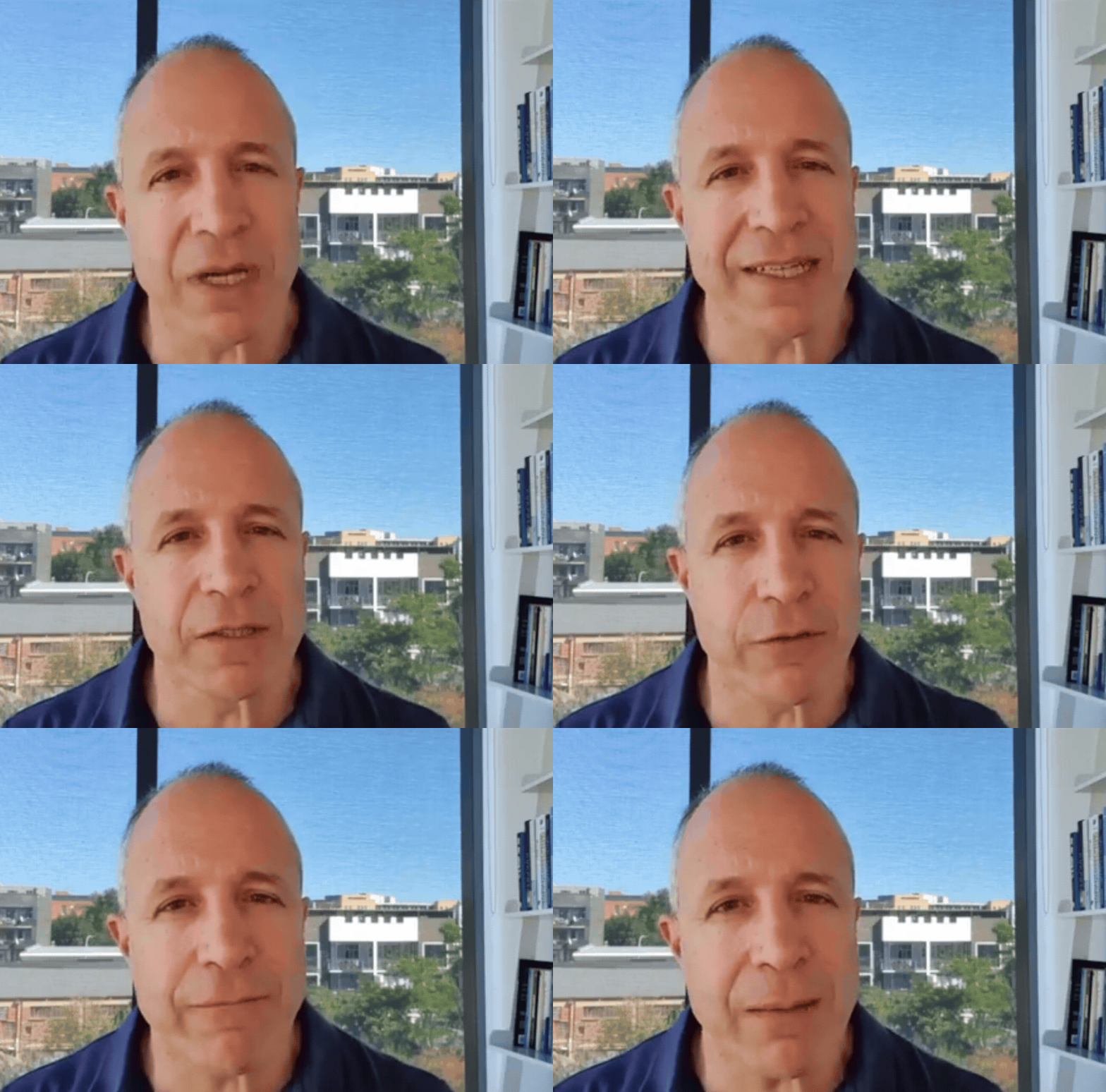
South Africans heading into the local government elections face a new and highly personal disinformation threat, with the same technologies increasingly being exploited by sophisticated telecommunications fraudsters potentially capable of being turned against voters.
The Communications Risk Information Centre (COMRiC) is warning that AI-generated voice cloning, deepfakes, spoofed messages, compromised accounts and increasingly sophisticated social engineering could make it significantly harder for voters to know whether the person contacting them is really who they claim to be.
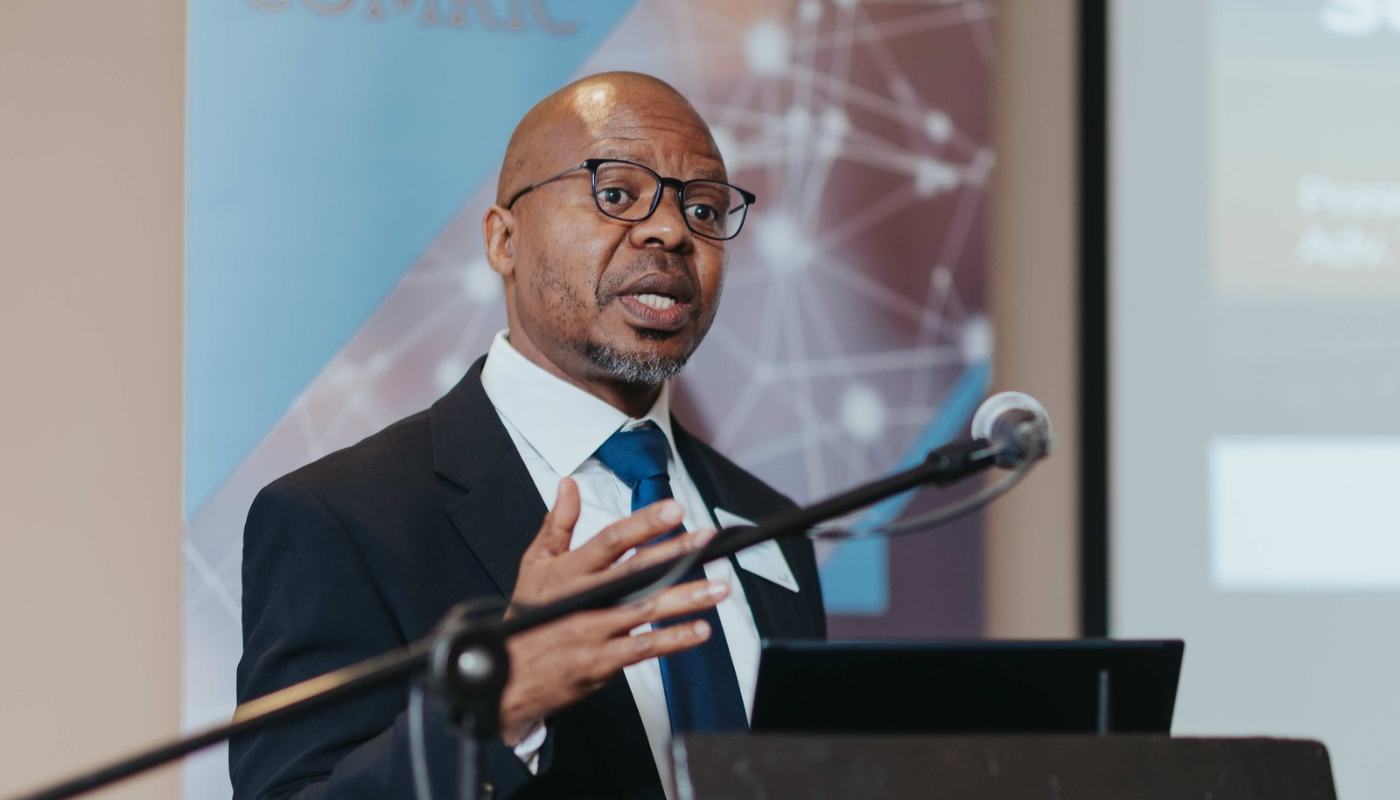
Advocate Thokozani Mvelase, Chief Executive Officer of COMRiC, says the concern is particularly relevant at local government level, where information travels quickly through community WhatsApp groups, social media networks, and direct messaging.
“A convincing voice note apparently from a ward candidate, a fraudulent message claiming that a voting station has moved or an AI-generated recording designed to provoke anger in a particular community could potentially spread within minutes.
“The danger is not simply that false information can travel quickly. Technology is making that false information increasingly convincing.”
COMRiC says the techniques being used by criminals to manipulate consumers provide an important warning about how digital trust itself is changing. Fraudsters are becoming increasingly adept at impersonating trusted individuals and organisations, exploiting urgency, fear, and emotion to persuade people to act before they have had an opportunity to verify what they have been told.
“In the past, recognising someone’s voice or seeing a familiar name or number on your phone gave you a degree of confidence about who you were dealing with. That assumption is becoming increasingly dangerous.
“AI can make an impersonation extraordinarily convincing. In an election environment, the potential consequences go beyond financial loss. False information can influence behaviour, damage reputations, inflame community tensions and undermine confidence in the electoral process.”
COMRiC stresses that it is not suggesting such interference will necessarily occur during the elections. Rather, the capabilities already being encountered in telecommunications fraud demonstrate why voters, political organisations and authorities need to be alert to the risk.
Mvelase says South Africans should adopt one simple rule when confronted with unexpected or provocative election-related information: stop, verify and don’t amplify.

“If a message shocks you, frightens you, makes you angry or demands immediate action, which should be the moment you slow down. Do not assume that a familiar number, photograph, account or even a familiar voice proves who is behind the communication. Verify the information independently before acting on it or forwarding it.”
COMRiC says voters should be particularly cautious about messages purporting to come from political candidates, parties, community leaders, or election officials. Unexpected or inflammatory claims should be checked against a second, independent source and information concerning voting stations, registration, voting dates, or electoral procedures should always be verified directly with the Electoral Commission of South Africa.
Mvelase also cautions against forwarding questionable material simply to ask others whether they think it is genuine.
“Every time suspicious content is forwarded, its potential audience grows. You can inadvertently become part of the distribution network for the very disinformation you are trying to question.”
Where a communication appears fraudulent or deliberately misleading, consumers should preserve the evidence rather than delete it. Screenshots, telephone numbers, messages, and voice notes can assist authorities, telecommunications operators and other relevant organisations in identifying patterns of suspicious activity. Suspected election disinformation should be reported through the appropriate electoral channels, while suspected telecommunications fraud should also be reported to the relevant mobile network operator.
Mvelase says the broader challenge will require cooperation between telecommunications operators, financial institutions, technology platforms, electoral authorities, law enforcement, and consumers.
“No single organisation can deal with this problem in isolation. Malicious actors exploit the gaps between systems, institutions, and industries. That makes information sharing and collaboration increasingly important.”
He says voters themselves remain an important line of defence: “Technology may have changed the sophistication of the threat, but one of our strongest defences remains remarkably simple. Before you believe it, before you act on it and especially before you share it, verify it.”
Share via: