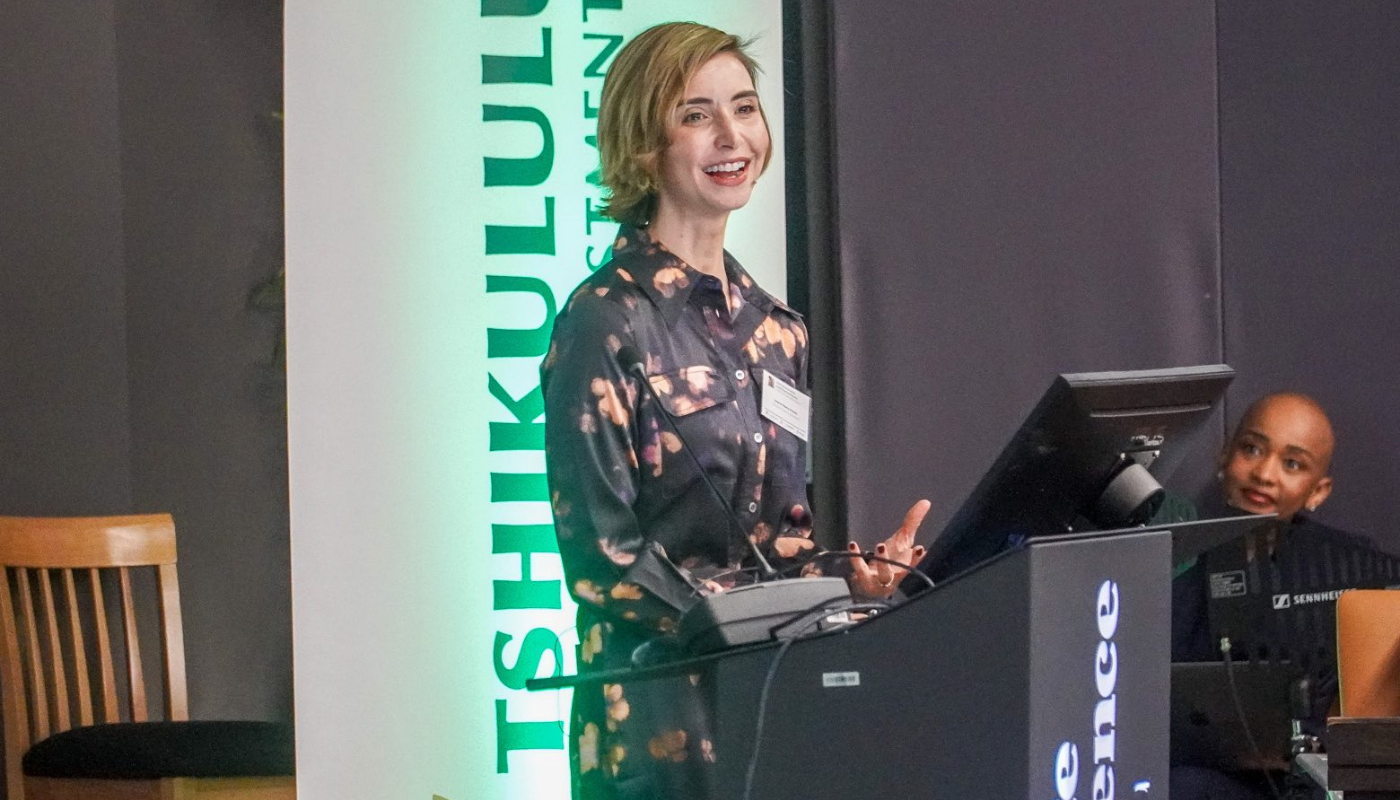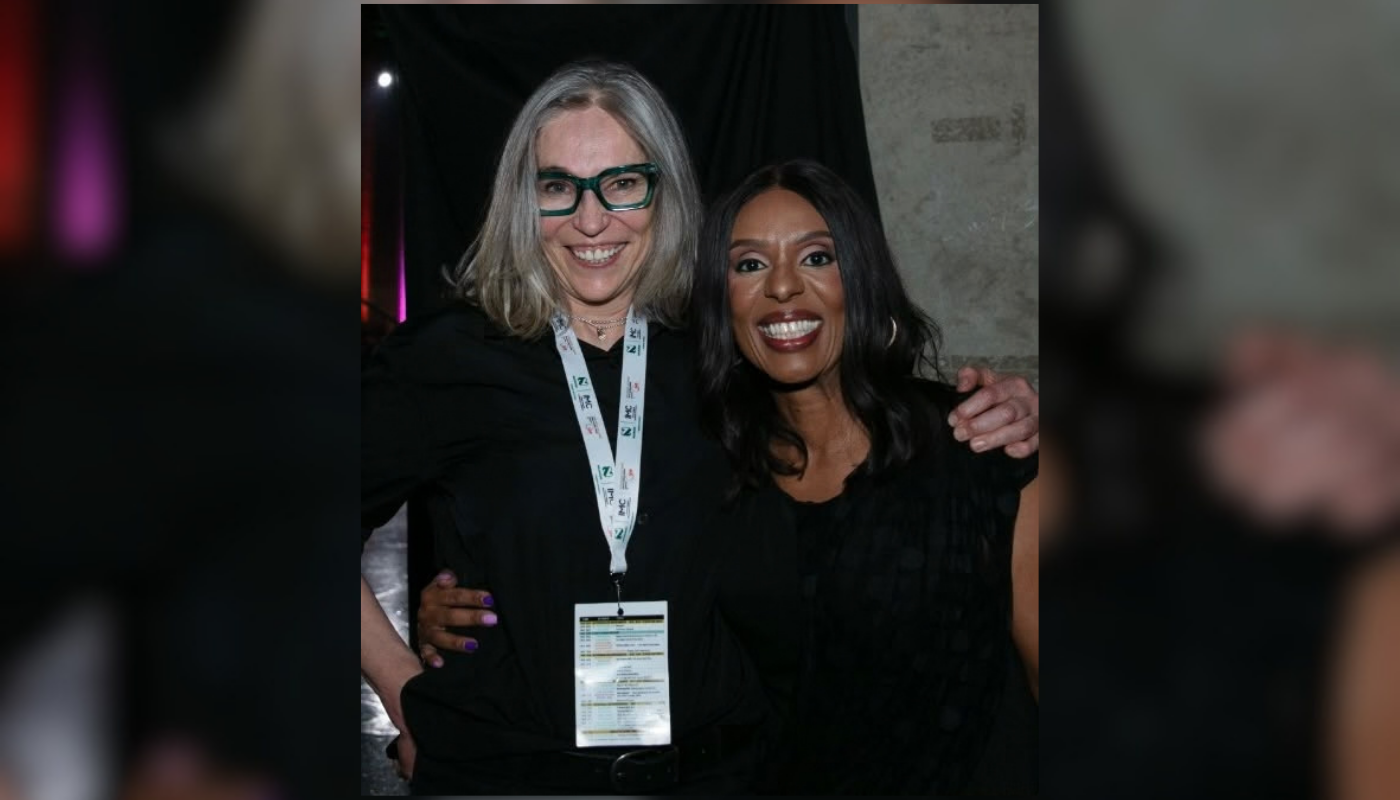
For years, Tebele Makhetha measured success in qualifications, promotions and greater responsibility. But when parts of the life she had carefully built began to fall away, she was forced to reconsider what strength, resilience and ambition actually mean.
As an attorney and senior corporate affairs executive, she had built a successful career across law, business, policy and corporate leadership. She was ambitious and accustomed to setting goals, working towards them and seeing effort produce results. In her personal life, too, she had built much of the future she had imagined, including marriage and motherhood.
“I attached a great deal of my identity to being competent, dependable and successful,” she says. “It is profoundly destabilising when you have built a life around competence and suddenly competence cannot save you.”
That’s what she realised in the face of a cancer diagnosis and the reality of divorce. “I could prepare for a board meeting. I could solve a business problem. I could study harder, work harder, plan better. But there were things happening in my life that did not respond to effort. That was one of the hardest lessons for me: control and strength are not the same thing.”
Makhetha says she has had to learn what she calls “radical acceptance”, which did not mean relinquishing agency. Rather, it meant recognising where her control ended and deciding what remained hers to choose. “Not resignation, and certainly not giving up, but accepting the truth of where I was so that I could decide how I wanted to live within it.”
When resilience becomes damaging
That distinction between control and agency has also changed the way Makhetha thinks about resilience, particularly the kind expected of high-achieving women.
For much of her life, she associated strength with endurance: how much a person could carry without dropping anything. “We celebrate resilience so much, particularly in women, that sometimes we are actually celebrating a person’s ability to suffer quietly while continuing to perform,” she says. “I don’t think that is always resilience.”
It is an uncomfortable distinction in working environments, where continuing to deliver can easily be mistaken for “being fine”. The person who keeps answering emails, leading meetings and meeting deadlines may appear resilient, even while the cost of doing so is mounting.
For a long time, Makhetha says, showing up meant doing what she had always done: getting dressed, going to work, leading the meeting, caring for her daughter, answering the emails and carrying on, even when her private and professional realities felt like two separate lives.

Eventually, though, she realised that showing up does not always mean pushing through. “Sometimes showing up is saying, ‘I can’t do this today.’ Sometimes it is accepting help. Sometimes it is crying. Sometimes it is allowing somebody else to carry you.”
That required her to reconsider strength itself. Asking for help, admitting fear, resting and allowing other people to see her without the armour can all require courage. So, too, can recognising when perseverance has crossed the line into harm.
“Real resilience includes rest. It includes boundaries. It includes asking for help,” she says. “I no longer want to prove how much I can carry.”
Rethinking ambition
Interestingly, what adversity has not done is make Makhetha less ambitious. “I am still ambitious. That surprised me,” she says. “What has changed is what I am ambitious for.”
Earlier in her career, success was relatively straightforward to measure: another qualification, a promotion, a more senior title or greater responsibility. She does not dismiss that ambition now. It helped build her career and remains part of who she is. But achievement no longer gets to define success on its own.
“I want impact. I want meaningful work. I want to write. I want to speak. I want the things I have learned to be useful to somebody else,” she says. “But I am far less interested in collecting titles simply because they are the next logical step. I have learned that your CV can be impressive while your life is starving.”
Makhetha now concerns herself with a broader measure of a successful life, which includes work that matters, but also time with her daughter, travel, laughter, beautiful dinners with people she loves and being present for ordinary Tuesdays. The shift is not away from achievement, but from allowing achievement to become the measure of personal worth.
“I want work that matters without allowing work to become the measure of whether I matter,” she says.
She feels this distinction is particularly significant for others like her, who have spent years building an identity around competence. Careers reward the ability to solve problems, anticipate what is coming and deliver results. Those qualities remain valuable. But they cannot insulate anyone from uncertainty, loss or change, and they offer only a partial answer to the question of what makes a life meaningful.
“The irony is that I haven’t lost ambition,” she says. “I think I have finally made it more honest.”
Share via: