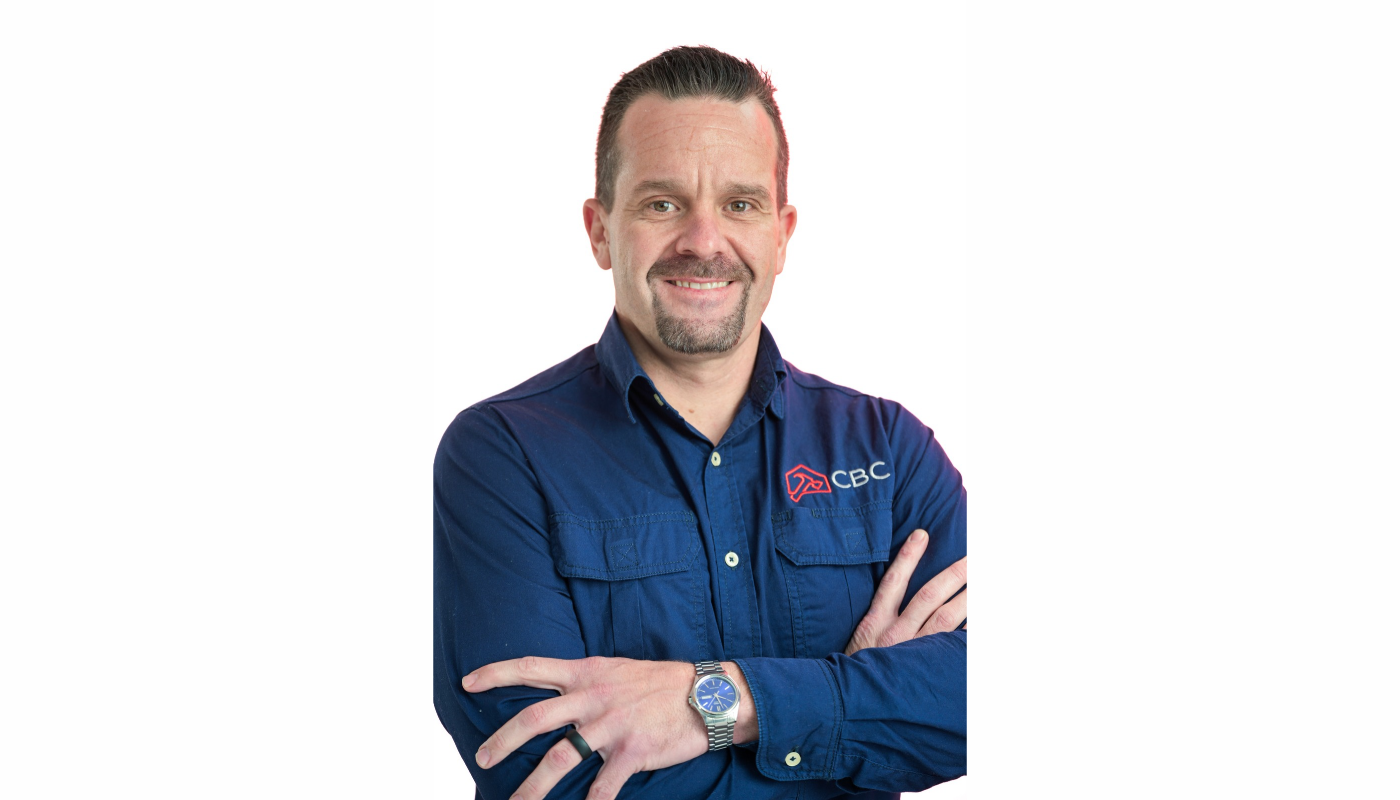
By Matome Kapa, Programme Head, Advocacy, Support and Training, Centre for Environmental Rights
Last week, I was speaking to one of the graduates of CER’s Rights & Remedies Course. What she told me inspired this piece.
She is from Free State Province. There was a serious sewer problem in her ward — sewage flowing into the street, affecting the entire community. She went to the site, took photographs as evidence, and sent the pictures to someone who works for the municipality.
Within four days, the municipality came and fixed the pump, repaired the manhole, and cleaned the area.
No court. No drama.
Just the law being used.
This is what happens when ordinary people know their rights and use the tools available to them.
The law may be slow to deliver big, visible change, but it remains one of the most powerful tools we have for securing small victories. And it is through these small victories — repeated, shared, and built upon — that we realise the achievement of true long-term systemic change. When ordinary people engage with the law, use it, test it, and insist on its promises, the law itself becomes stronger.
This is especially true when it comes to South Africa’s environmental legal framework.
The law is not just for lawyers
South Africa’s environmental laws were not designed only for courtrooms or legal experts. They were shaped by struggle and by the recognition that environmental harm affects real lives — health, livelihoods, safety, and dignity — particularly in communities already carrying the weight of inequality.
At its core, our legal framework invites public participation. It creates space for people to object against harmful developments, demand information, report environmental violations, and hold both the state and private actors accountable. These are not symbolic rights. They are practical entry points for action.
Engaging with the law does not always mean going to court. Often, it simply means knowing where your power lies — and using it.
What you can do with the Constitution
The Constitution is not a distant or abstract document. It is meant to be used.
Section 2: The Constitution is the supreme law
This is the foundation of everything. The Constitution is the supreme law — the first law — the law from which all other laws must flow. It means that every decision made by government, every policy, and every law must align with the Constitution. When something in your daily life feels unfair, unsafe, or degrading, the Constitution is the place to start asking: Is this what was promised? It invites comparison between what is written and what is lived.
This is the foundation of everything. The Constitution is the supreme law — the first law — the law from which all other laws must flow. It means that every decision made by government, every policy, and every law must align with the Constitution. When something in your daily life feels unfair, unsafe, or degrading, the Constitution is the place to start asking: Is this what was promised? It invites comparison between what is written and what is lived.
Sections 7 and 8: Rights must be respected and protected
These sections say something powerful: rights are not just ideas — they come with duties. The state must respect, protect, promote, and fulfil them. And in certain circumstances, private actors can also be held responsible when their actions undermine these rights. If your surroundings do not reflect the dignity, safety, or fairness promised in the Constitution, these sections give you a strong basis to demand better — not as a favour, but as a right.
These sections say something powerful: rights are not just ideas — they come with duties. The state must respect, protect, promote, and fulfil them. And in certain circumstances, private actors can also be held responsible when their actions undermine these rights. If your surroundings do not reflect the dignity, safety, or fairness promised in the Constitution, these sections give you a strong basis to demand better — not as a favour, but as a right.
Section 24: The environmental right
This is where environmental protection becomes a constitutional right. Section 24 says you have the right to an environment that is not harmful to your health or wellbeing, and that government must take reasonable steps to protect the environment for present and future generations. In simple terms: where you live should be safe, clean, and healthy. When it is not, the state is expected to act — and the law gives you standing to insist that it does.
This is where environmental protection becomes a constitutional right. Section 24 says you have the right to an environment that is not harmful to your health or wellbeing, and that government must take reasonable steps to protect the environment for present and future generations. In simple terms: where you live should be safe, clean, and healthy. When it is not, the state is expected to act — and the law gives you standing to insist that it does.
You do not need to quote these sections perfectly. You only need to know they exist — and that they are meant to work for you.
What you can do with environmental legislation
Environmental laws like NEMA do not exist in isolation. They are born from the Constitution.
Think of it this way: Section 24 establishes your right to a healthy environment. But a right on paper means little without mechanisms to enforce it. The Constitution, through Section 2’s supreme authority and the duties imposed by Sections 7 and 8, requires that laws be created to give that right teeth — to make it real, actionable, and enforceable in daily life.
This is exactly what the National Environmental Management Act (NEMA) does. NEMA is the Constitution’s environmental promise made concrete. It translates the broad constitutional right into specific duties, procedures, and remedies that you can use. When NEMA requires polluters to take action, or gives you the power to demand information, or creates avenues for you to report violations — it is doing so with the full weight of the Constitution behind it.
This is why understanding Section 24 matters. It is not just a nice idea. It is the foundation that makes environmental laws enforceable. And when you use NEMA, you are not just citing regulations — you are invoking a constitutional right.
Section 28 of NEMA: the duty of care
Section 28 of NEMA gives you a clear basis for action. It says that anyone who causes pollution or environmental harm must take reasonable steps to prevent it, stop it, or fix it. This duty exists now. It does not depend on a court case. When you see pollution, dumping, or environmental damage, the law already expects action. And when that action does not happen, you have the right — grounded in Section 24 of the Constitution — to report it and demand intervention.
Section 28 of NEMA gives you a clear basis for action. It says that anyone who causes pollution or environmental harm must take reasonable steps to prevent it, stop it, or fix it. This duty exists now. It does not depend on a court case. When you see pollution, dumping, or environmental damage, the law already expects action. And when that action does not happen, you have the right — grounded in Section 24 of the Constitution — to report it and demand intervention.
This is where constitutional rights become practical tools.

Turning rights into action
When environmental laws are not being complied with, there are tools designed for public use.
One of the simplest is the National Environmental Crimes and Incidents Hotline, operated by the Department of Forestry, Fisheries and the Environment (DFFE). The number — 0800 205 005 — is toll-free and available 24 hours a day. Anyone can use it to report pollution, illegal dumping, or environmental incidents as they happen.
Another option is the Environmental Violations Portal (https://cer.org.za/report-a-violation), developed by the Centre for Environmental Rights. This platform allows people to report environmental violations directly from their phones. The process is simple: identify the problem, capture basic details, upload photos if possible, and submit. The report is routed to the relevant authorities — whether the Department of Forestry, Fisheries and the Environment, the Department of Water and Sanitation, or the Department of Mineral Resources and Energy — creating a record that can be followed up.
For those who need guidance, Ask Karabo (https://askkarabo.co.za) exists to help people understand their rights and options when environmental issues arise. This environmental education and advocacy tool, launched by the Centre for Environmental Rights in 2025, provides accessible information on environmental rights and practical guidance on how to report pollution and environmental harms.
The Rights & Remedies course (https://rightsremedies.org.za/) for environmental justice activists is also available. Run by the Centre for Environmental Rights, this intensive training programme is designed to build practical legal literacy — not to turn people into lawyers, but to help them use the law confidently, strategically, and collectively.
These tools reflect an important truth: environmental justice is not delivered only through court judgments. It is built through informed, organised, and persistent public engagement.
The law grows stronger when we use it
The law does not become powerful on its own. It becomes powerful when people insist on its promises — when communities participate in decisions, report violations, ask questions, and act together.
Every complaint logged, every objection submitted, every demand for accountability may feel small on its own. But together, they shape practice, shift expectations, and build the pressure that makes larger change possible.
So do not give up on the law. Use it. Test it. Push it.
That is how it grows — and that is how environmental justice moves from paper into people’s lives.
References
[1] Constitution of the Republic of South Africa, 1996. Section 2: Supremacy of Constitution. Available at: https://www.gov.za/documents/constitution-republic-south-africa-1996
[2] Constitution of the Republic of South Africa, 1996. Section 7: Rights (Application of Bill of Rights) and Section 8: Application (of Bill of Rights). Available at: https://www.gov.za/documents/constitution-republic-south-africa-1996
[3] Constitution of the Republic of South Africa, 1996. Section 24: Environment. Available at: https://www.gov.za/documents/constitution-republic-south-africa-1996
[4] National Environmental Management Act 107 of 1998 (NEMA). Available at: https://www.gov.za/documents/national-environmental-management-act
[5] National Environmental Management Act 107 of 1998, Section 28: Duty of Care and Remediation of Environmental Damage. Available at: https://www.gov.za/documents/national-environmental-management-act
[6] Department of Forestry, Fisheries and the Environment (DFFE). National Environmental Crimes and Incidents Hotline: 0800 205 005. Available 24/7 for reporting environmental violations.
[7] Centre for Environmental Rights. Environmental Violations Portal. Available at: https://cer.org.za/report-a-violation
[8] Centre for Environmental Rights. Ask Karabo – Environmental Education and Advocacy Tool. Launched 2025. Available at: https://askkarabo.co.za
[9] Centre for Environmental Rights. Rights & Remedies Course. An intensive training programme for environmental justice activists focused on building practical legal literacy. More information available at: https://cer.org.za
Share via: