Access to quality education is a cornerstone of individual empowerment and national development. In an increasingly globalised and competitive world, South African students must be equipped not only with local knowledge, but with skills that stand up to international scrutiny. And with only around 55% of South African learners who start Grade 1 ultimately passing matric, the early identification of learning gaps through reliable data and benchmarking is essential to supporting long-term academic success, an education expert says.
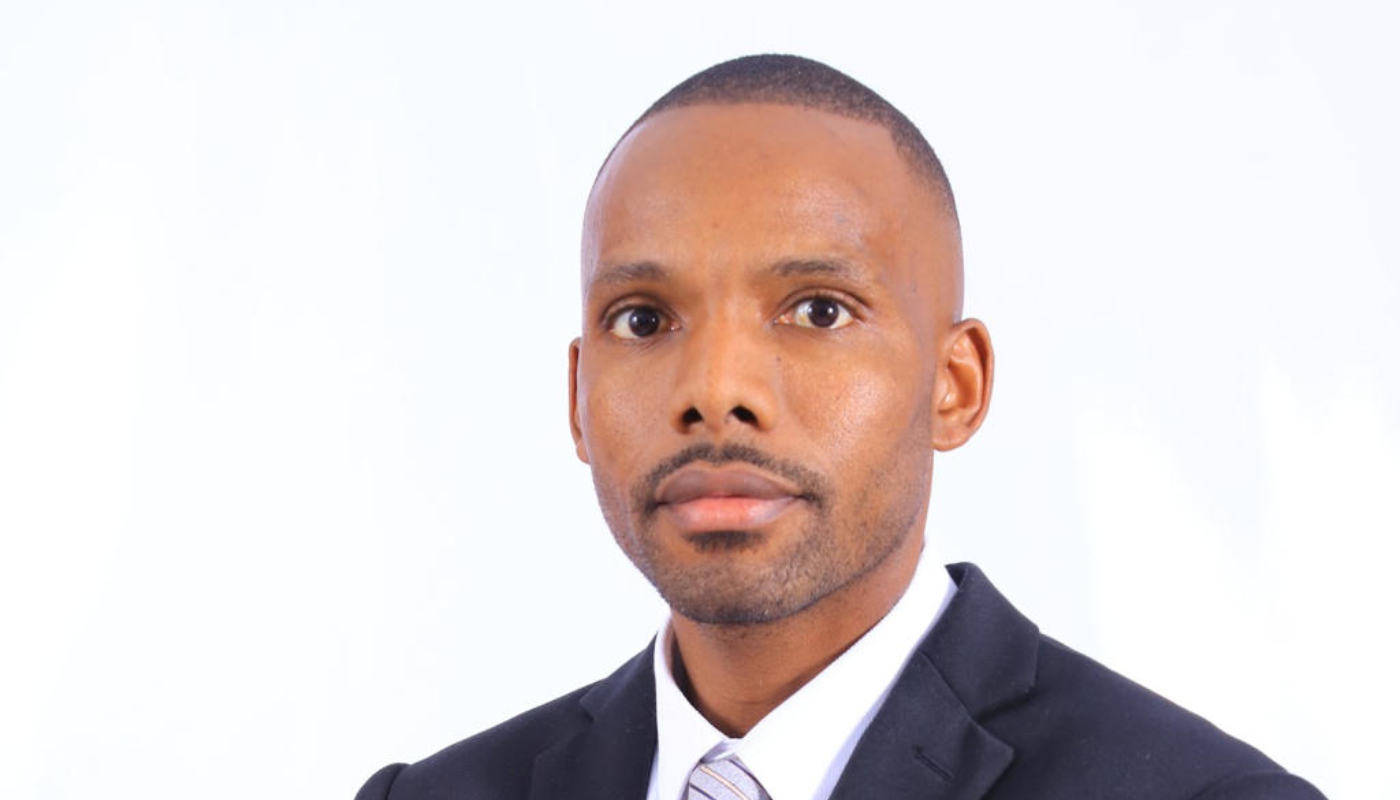
“International benchmarking provides the essential framework to achieve this, offering an objective measure of where students truly stand and how they can progress toward global readiness,” says Dumi Manganye, ADvTECH Schools Specialist: College and Academic Data.
“In a connected global economy, South African graduates compete internationally for university places, jobs, and opportunities. Benchmarking ensures education remains relevant and aspirational, preparing students for cross-border competence, technological change, and the demands of the future.”
But even putting aside the importance of global competitiveness, international benchmarking in education remains crucially important for education in South Africa, because: It provides an objective reality check beyond local comparisons; the modern economy is interconnected; it fosters continuous improvement and accountability, and it makes the country stronger.
“International benchmarking isn’t about preparing everyone to emigrate; it’s about ensuring South African students aren’t left behind in a globalised world. Staying local doesn’t mean staying isolated: quality education, benchmarked globally, empowers people to thrive right where they are,” Manganye says.
He says benchmarking promotes accountability and evidence-based improvement, which means educators and policymakers can:
1) identify weaknesses early;
2) personalise instruction;
3) track growth over time, and
4) align teaching with proven global best practices.

This drives continuous enhancement in teaching quality and resource allocation, as it gives teachers insights into changing their lessons to see where gaps are and assist each learner to ensure personalised learning.
“Ultimately, international benchmarking fosters equity and long-term social impact. By raising standards to meet or exceed global levels, it equips more SA students, regardless of background, for tertiary education, meaningful employment, and active citizenship, which ultimately helps build a stronger, more inclusive South Africa.”
Manganye says domestic assessments can become complacent or influenced by regional norms that don’t reflect true global standards. International tools show what high performance actually looks like worldwide, revealing hidden gaps in foundational skills, particularly in reading and mathematics, that local tests might downplay. This honest picture drives meaningful reforms rather than settling for “good enough”.
He says ADvTECH has integrated MAP Growth assessments across its network of schools, including both traditional and online models, to support the group’s broader push for objective international comparisons and personalised learning.
“The adaptive nature of MAP Growth allows it to adjust question difficulty in real time based on student responses, providing precise insights into individual achievement levels and growth trajectories in core subjects like mathematics, reading, and language usage. This approach helps schools move beyond one-off snapshots of performance, instead capturing how students progress over multiple terms and identifying patterns that inform adjustments in pedagogy and support structures.”
Participation in MAP Growth also enables ADvTECH schools to contextualise their results against a vast international dataset involving 14 million students from diverse educational systems. For instance, brands like Evolve Online School have demonstrated sustained high performance in global comparisons, reflecting how consistent benchmarking can reveal strengths in flexible, student-centred learning environments.
“Such data contributes to ongoing refinements in curriculum alignment and teacher development, helping to address systemic challenges in South African education while reinforcing the value of evidence-driven practices that benefit students staying and succeeding locally.”
Share via: