If your relationship with money has felt a little tense lately, you’re not alone. For many South Africans, money is carrying more emotional weight than ever. Everyday expenses are competing with debt repayments, family responsibilities and long-term savings goals from retirement to education.
This financial pressure is very real for most people. Recent research shows that many households are navigating high debt levels, rising living costs and limited room to save. TransUnion’s Q1 2026 Consumer Pulse Study found that inflation on everyday goods was the top financial concern for 41% of South African consumers, while 35% expected to be unable to pay at least one current bill or loan in full.
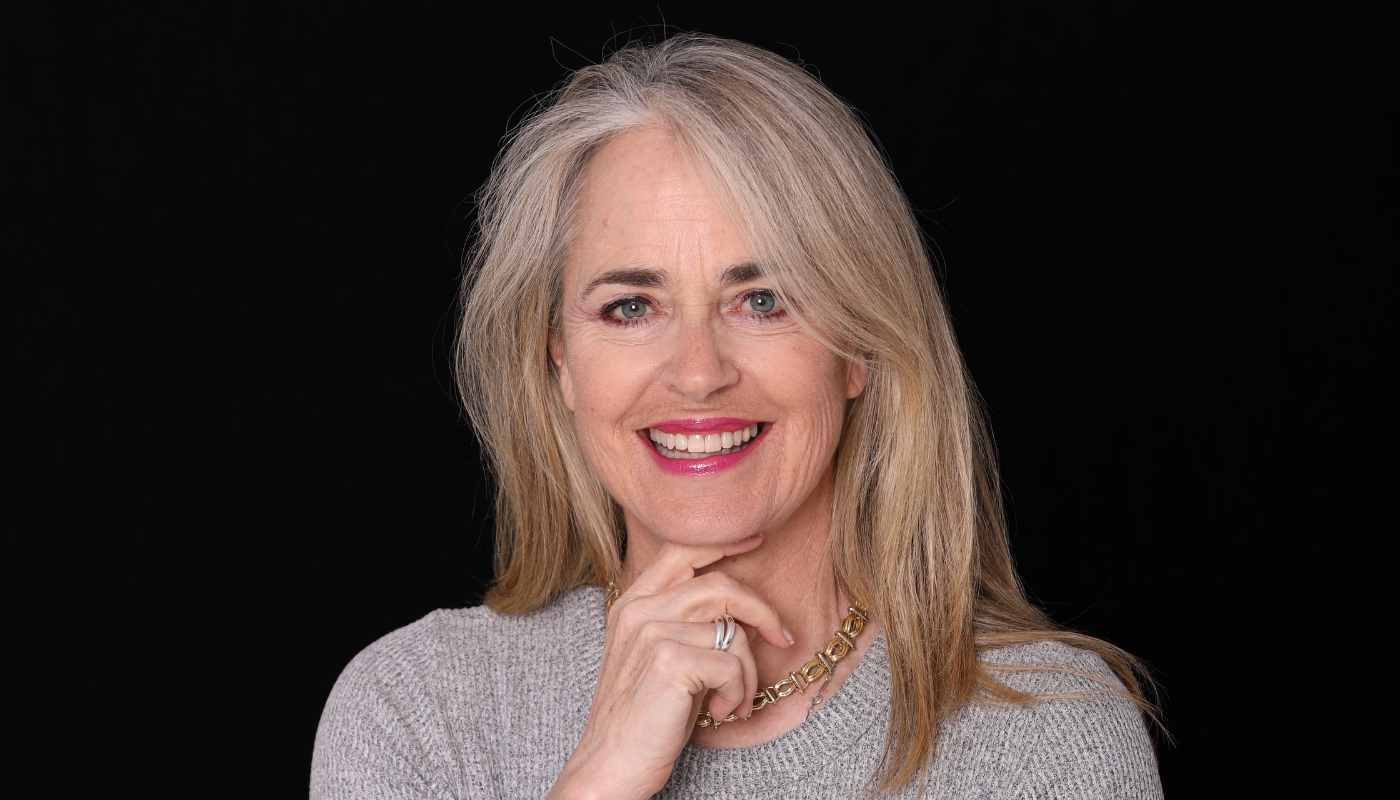
Against this backdrop, Sisa Nkatu, Head: Deposits at Nedbank, says Savings Month is a chance to look honestly at how we think about money, how we respond to pressure and what small steps can help us feel more in control. “Money is not just a budget line; it is a relationship shaped by habits, responsibilities, fears, hope and future goals,” Nkatu explains. “Like any relationship, it becomes healthier with honesty, boundaries, consistency, support and sometimes a little space.” She suggests six ways to strengthen your relationship with money this Savings Month:
Stop ghosting your money
Avoiding looking at your bank balance may ease the financial pressure in the moment, but it creates more anxiety in the long run. A healthier money relationship starts with knowing what is really happening. Check your balances, review debit orders and look at your spending patterns and budget. You can’t change what you are not willing to face.
Build boundaries before the month gets away from you
Every healthy relationship needs boundaries. And your money is no different. Decide in advance what must go towards essentials, debt, family responsibilities, savings and personal spending and then do your utmost to stick to those boundaries. Make it easier for yourself by automating your savings so you don’t miss your mark. This is not about being restrictive – it’s about making sure your future does not always come last.
Don’t confuse chemistry with commitment
A good interest rate is important, but it should not be the only thing guiding your savings and Investment decisions. Like any long-term relationship, the right savings option needs to fit your life, goals and need for access to cash. Consider fees, flexibility, digital convenience and how the savings product supports the way your savings goal.
Create space for emergencies without raiding the future
Unexpected expenses can push even careful savers off track. An emergency fund helps you manage those moments smoothly, reducing the need to rely on short-term solutions. Nkatu advises starting small if you need to. “People often think saving only counts when the amount is big, “but consistent behaviour builds confidence. Even small amounts can help you feel more in control.”

Make consistency a priority
Many people give up because they miss a savings deposit one month or can’t save as much as they hoped. But a healthy money relationship is built through discipline, consistency, progress and confidence, not one perfect decision. Automating a monthly saving amount, even if it’s small, can help make saving part of your routine rather than something you do only when there is money left over.
Choose a money partner that fits your life
Your money needs will change as your life changes. Someone building a career may need flexibility, while a parent may be saving for education, and someone nearing retirement may want certainty and preservation. Nedbank helps people match their savings and investment decisions to their real-life moments.
“Savings Month is not about having everything figured out,” says Nkatu. “It’s a chance to reset your relationship with money and take small, consistent steps forward – supported by the right tools, guidance and financial partner to help you stay on track.”
Share via: