In an environment where buyers self-educate and buying cycles are longer, thought leadership has shifted from being a “nice to have” to a strategic revenue driver. Nearly all B2B buyers are off the market most of the time – 95% aren’t actively looking – which means brands must capture attention before buyers enter a formal buying process. Thought leadership does exactly that: it gets buyers thinking differently about their challenges and moves them from passive to active engagement.
It also delivers measurable commercial outcomes. Edelman and LinkedIn’s 2024 study found that more than half of decision-makers spend an hour or more each week consuming thought-leadership content, and 86% said they’d be more likely to invite a company that consistently produces high-quality thought leadership into an RFP process. The same research shows that strong, research-led insights often convert interest into action, with many buyers going on to purchase from the organisation that produced the content.
Why this works in 2025: trust, expertise and relevance. With trust in institutions volatile, business remains one of the few trusted voices customers look to for leadership – but that trust must be earned through clear, helpful content that demonstrates expertise and purpose. Thought leadership that cites credible research, addresses real business issues and offers practical guidance is the kind that wins trust and moves markets.

Trends shaping thought leadership now
- The buyer-led journey continues: buyers consume multiple pieces of content before engaging, so content must educate rather than sell.
- Content as a lead engine: content marketing remains core to demand generation, with many B2B teams reporting it drives both awareness and revenue.
- Format and authenticity matter: long-form research, expert bylines, case studies and unique formats outperform product-heavy collateral.
How South African Business Matters helps brands lead the conversation
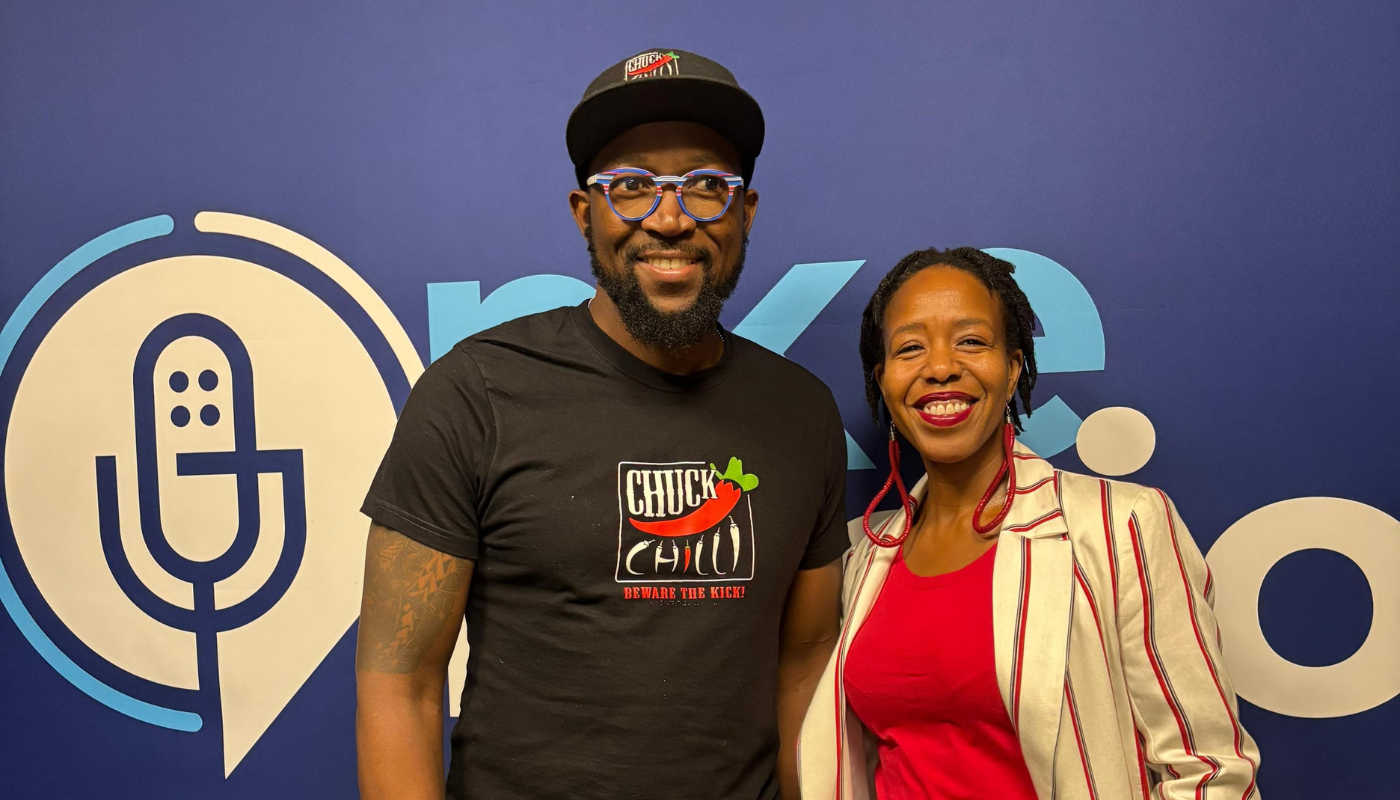
SABM combines editorial rigour, premium formats and targeted distribution so your business doesn’t just participate in the conversation – it leads it. This approach builds third-party credibility, extends reach beyond in-market buyers and shortens the path from awareness to RFP. SABM also offers in-studio and on-site interviews, thought-leadership articles by top business journalists, and amplification across sector-specific channels to make every piece work harder.
Bottom line: in 2025, thought leadership is the bridge between trust and transactions. Brands that invest in research-led insight and place it where decision-makers read and watch will reap the rewards. SABM can help turn expertise into strategic content that opens doors – building the narrative and the audience that make it count.
For thought leadership solutions reach out to: stephen@southafricanbusinessmatters.co.za
Share via: