South Africa’s economy grew by 1.1% in 2025, up from just 0.5% the previous year, but still below the 1.4% growth many economists had expected. While the figures show that the economy is beginning to recover, they also underline how fragile that progress remains.
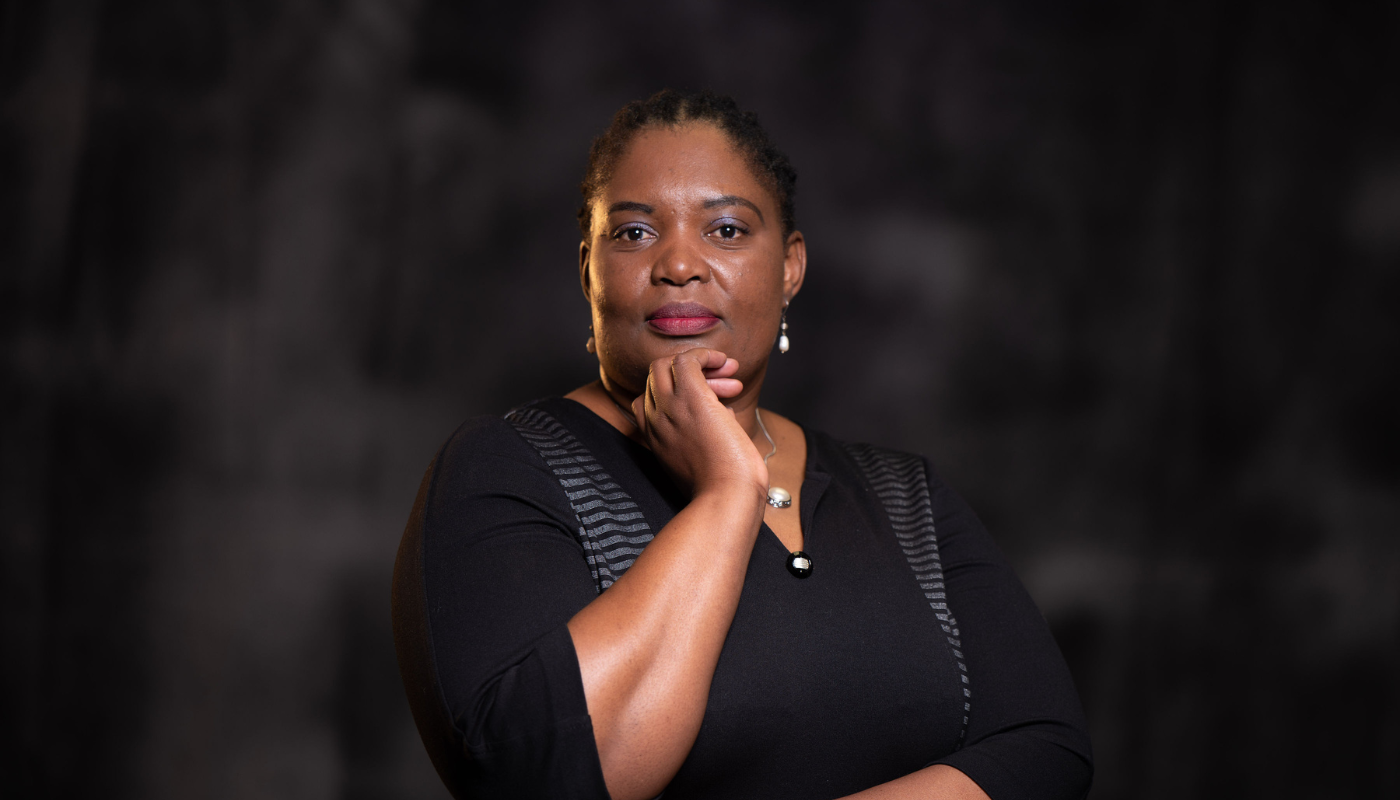
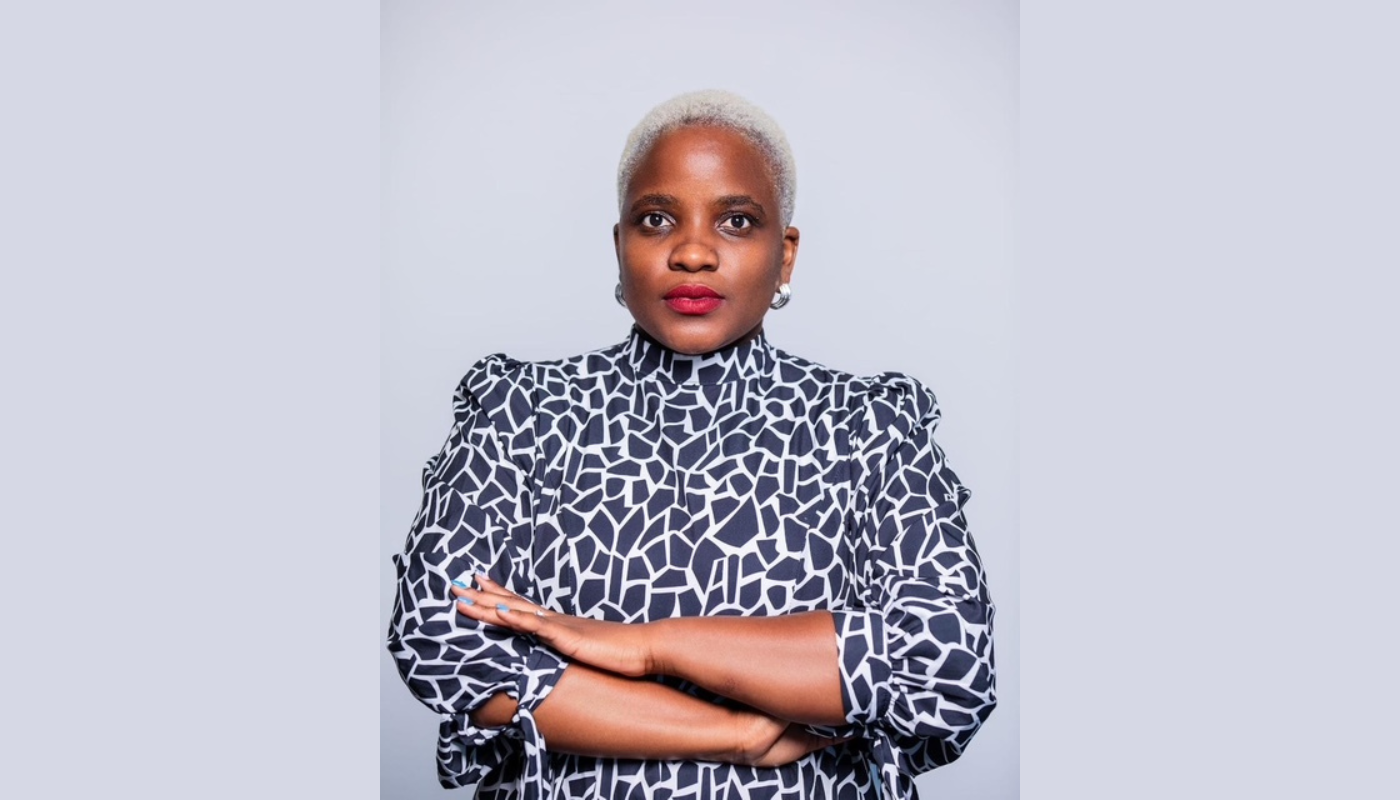
According to Annatjie van Rooyen, Chief Economist at Regenesys and CEO of the Regenesys Investment Fund, the bigger concern is not only the pace of growth but whether South Africa can convert early reform progress into sustained economic momentum before global conditions deteriorate.
She says the real concern is timing. For much of the past year, moderating inflation and a more stable domestic environment created a narrow but valuable opportunity for South Africa to accelerate reforms, crowd in private capital, and build fixed investment. That window is now coming under pressure from intensifying geopolitical tensions, which threaten to raise inflation risks and complicate the monetary policy outlook.
“The danger is that South Africa has started to make progress just as the external environment becomes more hostile,” says van Rooyen. “If global conflict keeps oil prices elevated, or forces central banks to remain tighter for longer, then a fragile domestic recovery becomes much harder to sustain. This is why reform speed now matters as much as reform direction.”
Van Rooyen said the improvement from 0.5% growth to 1.1% suggests that structural reforms are beginning to have some effect, particularly in stabilising key sectors of the economy. However, the current growth trajectory remains far below the level required to meaningfully reduce unemployment or transform the country’s economic outlook.

“South Africa is starting to see signs that reforms are working, but the economy is still operating well below its potential,” she said. “At this level of growth, we are stabilising rather than expanding. The country needs significantly stronger growth to create jobs and rebuild economic confidence.”
The composition of growth also highlights the uneven nature of the recovery. The largest contributions to GDP growth in the final quarter came from finance, real estate and the business services sector, areas that tend to respond more quickly to improving sentiment and financial conditions.
Household expenditure also remained an important driver, contributing about 0.8 percentage points to the overall growth figure. That suggests consumers are still spending, although rising living costs continue to constrain household budgets.
Other parts of the economy were less supportive. A modest performance from the agricultural sector was not enough to offset a contraction in mining, reflecting continued volatility in commodity production and the structural pressures facing the sector.
Van Rooyen says the most important missing ingredient remains stronger investment. South Africa’s fixed investment levels remain well below the 20% of GDP typically required to sustain faster economic expansion.
“Progress has been made in several reform areas and business confidence has improved,” she said. “But unless South Africa significantly increases fixed investment in infrastructure, industry and productive capacity, growth will remain slow and vulnerable to external shocks.”
She said the coming months will be critical. If reforms accelerate and investment follows, the country could still build on the modest improvement seen in the latest GDP data. If not, the current recovery risks losing momentum just as global uncertainty begins to rise again.
Share via: