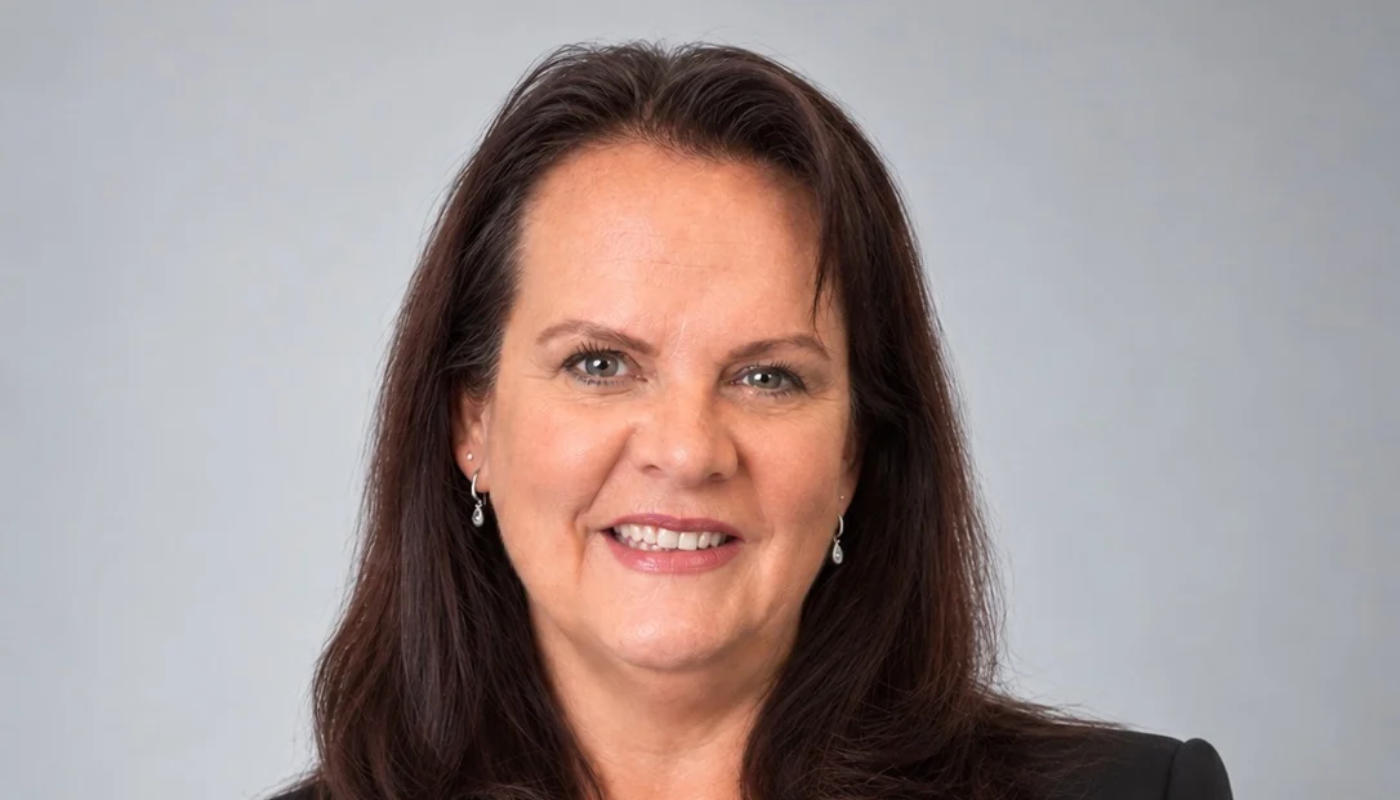
By: Dr Alex Malapane
A festive season is approaching where Christmas may become less about economics and more about celebrating Christmas on credit. There will be crowds at shopping centres, irresistible promotions from retailers, and travel to visit loved ones. However, behind the cheer there is a grim reality: an economy where millions of households will be expected to celebrate prosperity that they cannot afford. The question is no longer whether South Africans will spend this Christmas, but how much of that spending will be financed by tomorrow’s income.
There are already signs of distress. In the second quarter of 2026, TransUnion’s industry findings showed that 48.3% of non-bank personal-loan accounts and 26.5% of bank personal-loan accounts were in serious delinquency. These accounts are at least three months in arrears, but they do not necessarily reflect the proportion of all South African consumers in distress. The evidence is alarming. The year-on-year increase in the origination of non-bank personal loans was 21.3%. This indicates that, despite repayment problems, demand for smaller, accessible loans remains. When credit is used as a substitute for sufficient income, it is no longer an instrument for financial mobility but rather a tool for financial entrapment.
According to the South African Reserve Bank, in the second quarter of 2026, household debt as a percentage of disposable income was 61.3%. Although this has decreased, averages do not reflect the uneven distribution of financial vulnerability. Wealthy households may have savings, investments and assets increasing in value, in addition to their liabilities. Lower-income borrowers may have little financial buffer against unemployment, illness or unforeseen expenditure. Their debt obligations must compete with food, electricity, transport, education, etc. This means that although the debt ratio of the country may seem manageable, many economically vulnerable households may be in serious financial distress.
The purchasing power crisis has escalated. According to Statistics South Africa, annual consumer inflation was 5.2% in October 2026. This was up from 4.5% in September. Transport inflation was 15.2% and fuel prices rose 42.9% annually. Inland petrol price was R30.25/l. This is especially problematic in December, when there is more travelling, more food purchases, more family commitments, etc. Although some food items may have seen price decreases, this does not compensate for the financial strain on households.

The misconception about monetary stability is fundamental. It is not that prices are back to affordable levels when inflation is lower, but rather that the rate of increase is slower. In fact, the increase in inflation in October indicates that we cannot take price stability for granted. Similarly, the Reserve Bank’s decision to leave the policy rate unchanged at 7.25% in November does not automatically mean that household finances will improve. Unchanged borrowing rates mean that the cost of financing remains the same. Debt accumulated in the past must still be repaid. Even if interest rates are lowered, it is not a solution for inadequate wages, unemployment or structurally weak household income.
This is economically significant. Although monetary policy can affect the cost of borrowing and inflation expectations, it cannot create jobs, redistribute income or rebuild depleted savings on its own. Furthermore, the benefits are not distributed evenly. Creditworthy households may benefit from lower financing costs, while those in distress may experience higher risk premiums or even be excluded. For households whose disposable income is already fully consumed by necessities, small adjustments in interest rates offer little immediate relief. Price stability is important. Still, it is a prerequisite for prosperity, not a sign that prosperity is already reaching households.
Unemployment exacerbates these issues. According to Statistics South Africa’s labour force survey for the third quarter of 2026, the official unemployment rate was 33.7%. This means approximately 8.6 million people were unemployed. The broader measure of labour underutilisation was 46.3%. This signals structural weakness in household consumption. Many households have one employed person who supports several unemployed relatives. In effect, one income is spread across several households. South Africa’s deep-seated inequality means that the festive experience is also unequal: some will be celebrating with accumulated wealth, while others will be financing consumption with debt, sacrifices or informal borrowing.
This is not just for December. Excessive borrowing will lead to lower future consumption, less saving, and a higher risk of default. Financial distress can lead to adverse credit records, expensive collection processes, exclusion from formal finance, etc. When millions of households are forced to cut spending to service debt, businesses will face lower demand. This may result in less investment and fewer jobs being created. This is a negative feedback loop: low earnings lead to borrowing; debt restricts consumption; low demand hampers economic recovery.
Therefore, we need to address both financial protection and structural reform. The NCR should step up efforts to crack down on reckless lending, improve affordability assessments, and expand access to credible debt counselling. Banks and other credit providers should intervene earlier with restructuring before temporary arrears turn into persistent defaults. The government needs to accelerate employment-intensive infrastructure investment; improve logistics and energy reliability; support productive small businesses; etc. Retailers should be transparent about financing costs. Households should ensure that essential expenditure in January is not compromised by unaffordable spending in December.
The measure of economic well-being is not the retail turnover during the festive season. Higher sales may reflect inflation, affluent consumption, or debt-financed spending, but not necessarily an improvement in living standards. To assess whether there is meaningful recovery, we need to look at real disposable income, employment, savings, sustainable debt-servicing capacity, etc.
Christmas is a time for celebration, not another year of financial distress. South Africa cannot borrow its way to prosperity while unemployment, inequality and weak purchasing power remain entrenched. The true economic test is not whether households can afford Christmas, but whether they can afford to live with dignity after the decorations are taken down.
Share via: