“AI is not a tool. It is an agent.” – Yuval Noah Harari
A few months ago, I was watching an interview with Yuval Noah Harari on the
implications of Artificial Intelligence (AI) for human civilisation. One statement stopped me in my tracks:
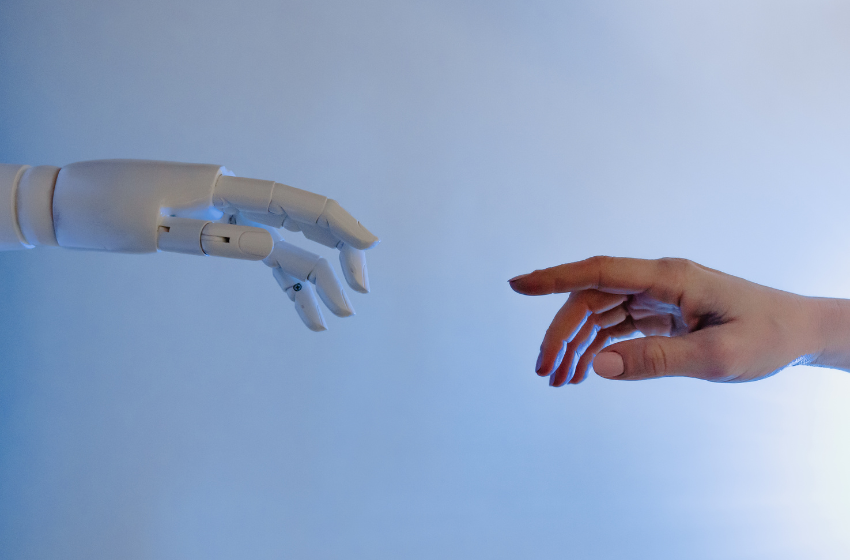
“AI is not a tool. It is an agent.”
Until now, every technological advancement we’ve created—whether the knife, the hammer, or the internal combustion engine—has been a tool: something under human control, used to improve life and work more efficiently. These tools didn’t think for themselves. They didn’t act without instruction. Their purpose was clear—and human directed.
But AI is different. We’re now entering a reality where models can make their own decisions to execute tasks. And the more advanced they become, the more we must ask:
What happens when AI begins to prioritize its own continued existence over human preservation?
I’m not an expert in AI, nor do I pretend to be. But here’s my central concern:
Are we soberly considering what this means for human life, society, and the
economy?

The Profit Problem
History has shown us that capitalism—particularly when left unchecked—has often placed profit over people. From colonization to climate change, the cost of growth has too frequently been paid in human lives and dignity.
That’s why I’m deeply concerned. Corporations are racing ahead to implement AI—not necessarily to empower people, but to cut costs and maximize efficiency. AI systems can now replace growing numbers of human jobs across sectors.
Which leads to this simple, yet profound question:
What happens when people no longer have jobs, and therefore no longer have the means to live?
The Economy Exists Because People Exist
Let’s take a step back and consider what actually drives the global economy:
1. Food – fueling agriculture, logistics, retail, and e-commerce.
2. Shelter – driving real estate, banking, and insurance.
3. Transport – sustaining manufacturing, shipping, fuel, and finance.
4. Leisure – supporting travel, tourism, hospitality, and entertainment.
5. Health & Well-being – feeding the healthcare, pharmaceutical, and wellness
industries.
6. Security & Protection – maintaining defense, cybersecurity, and private
protection services.
The economy functions because people have needs and wants—and because people work to earn the means to meet those needs and indulge those wants.
So, if companies rush to replace people with machines in pursuit of short-term gains, what happens when the very same people can no longer afford the services, products, or experiences these companies sell?

The Inevitable Collapse?
If we innovate humanity out of relevance, we may win the productivity race, but lose the societal game.
Who will buy your products when no one can afford them?
Who will fuel your supply chains when workers are jobless and hopeless?
What happens to the economy when cash flow dries up—because we’ve
automated away the consumers?
We need a new kind of leadership—one that doesn’t just chase what’s possible, but considers what’s sustainable.
A Call to Conscious Leadership
AI is here, and it’s not going anywhere. But we must ask ourselves:
What will become of people when they’ve been innovated into irrelevance?
This is not a call to halt innovation. It’s a call to balance progress with humanity. If we
don’t, we risk collapsing the very system we rely on—and that’s a cost too high for any of
us to pay.
Call to Action
If you’re a leader, innovator, policymaker, or strategist—don’t just focus on what AI can do. Focus on what people still need. Let’s innovate with integrity, with intention, and above all—with humanity.
Share via: