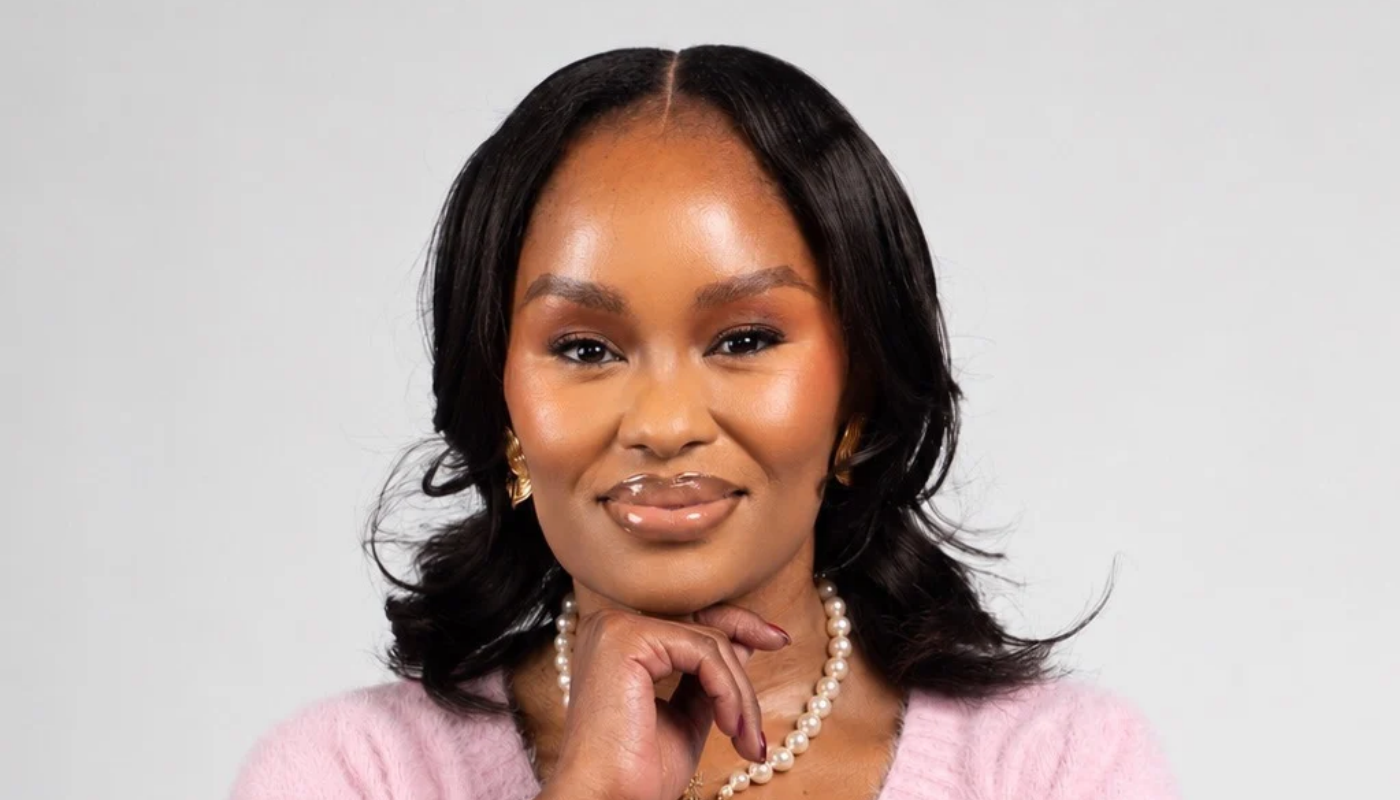
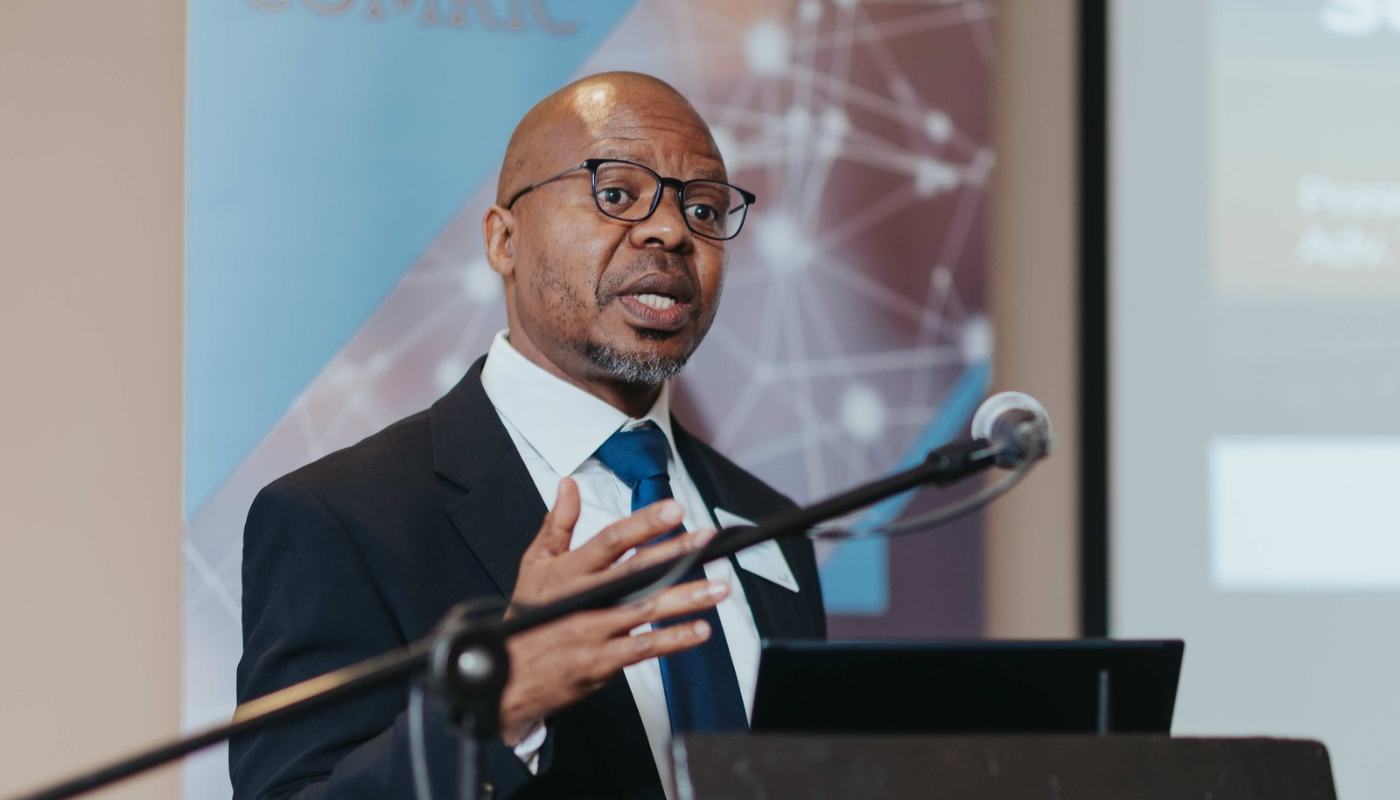
By Marilize Jacobs, founder of VocalCord PR & Reputation Management and Pigs Can Fly Interiors, and #50 on the Today Africa 100+ African Entrepreneurs to Watch in 2026, argues that the gap between what leaders say and what they actually hear is where most South African organisations quietly bleed talent, clients, and competitive ground. The data, and the neuroscience, back her up.
You know that joke? You send your partner to the shop to buy a loaf of bread. He comes back with six beers, a bag of biltong, and a magazine. No bread.
He listened. Just not to you.
Every South African leader in every room has lived a version of that story. Not in a kitchen. In a boardroom. In a performance review. In a strategy session. In a client meeting where the brief came back completely wrong because someone heard the words and missed the meaning.
The gap between what was said and what was understood is where most organisational dysfunction lives. It is where talent leaves. Where clients walk. Where strategies fail in execution despite being sound on paper. And it traces back to one root cause, so simple it barely registers as a problem: we were never taught to listen. We were taught to reply.
“96% of people believe they are good listeners. On average, we retain only half of what others say. That gap is not a communication problem. It is a leadership problem.” — Psychology Today, cited in NC State University Institute for Emerging Issues, September 2024
The African leadership context
Across the continent, African leadership culture has long prized decisiveness, authority, and the kind of confident assertion that signals strength. In environments shaped by colonial power structures, speaking first often carried survival value. Listening was subordination.
That inheritance has costs. The 2026 Global Workplace Happiness Report, drawing on 1.9 million data points across 80,000 employees in 115 countries, found that the number one driver of workplace happiness globally is inspiration and belonging — not workload reduction. People stay, perform, and innovate when they feel genuinely heard. The leader who listens is not showing weakness. That leader is building the most durable competitive advantage available.
South African organisations are navigating a moment where an ownership mindset cannot be mandated from the top. It grows from cultures where people feel safe enough to speak, and where leadership is present enough to receive what is said. Listening is not the soft precondition to that culture. It is the mechanism.
Active listening is a full-body leadership skill
Active listening is not an ear function. It is a whole-body function. Communication researchers have established that words account for a relatively small portion of the total message received. The rest arrives through tone of voice, facial expression, eye contact, posture, and gesture.
It works in two directions. First, what you receive: reading the speaker’s body language to understand not just what they are saying, but what they mean. A team member can say they are aligned with the strategy and tell you the opposite with their posture. If you are only processing words, you are missing half the intelligence in the room.
Second, what you transmit while listening. Your body language does not switch off when someone else is speaking. Crossed arms, a glance at your phone, a body turned slightly away. These signals tell the speaker whether it is safe to continue, whether they give you the full picture or a sanitised version that tells you nothing you actually needed to know. In South African organisations navigating complex transformation agendas, that sanitised version has consequences.

The numbers SA leaders cannot ignore
Active listening is ranked a top leadership skill by both LinkedIn Learning and the World Economic Forum in 2025. The data on how rarely it is actually practised is striking:
- Only 30% of people listen actively without interrupting. (WifiTalents, 2025)
- The average person interrupts every 11 seconds. (ZipDo, 2025)
- 72% of team conflicts stem from misunderstandings that active listening could have prevented.
- 88% of business leaders call it a vital leadership skill. Most organisations do not train for it.
- 70% of workplace mistakes are caused by poor communication.
That last number is not abstract. It is the cost of the meeting where the leader spoke and no one corrected the assumption. It is the project that failed because the client’s actual concern was never surfaced. It is the talent that left because they felt processed, not heard.
What the experts say
Mark Bowden, voted the world’s number one body language professional by Global Gurus and bestselling author of Winning Body Language, frames active listening as a primal safety signal:
“They may forget what you said, but they will never forget how you made them feel.”
— Mark Bowden, Winning Body Language
Bowden’s research shows that our brains are wired to scan for threats. Active listening deactivates that threat response. It creates psychological safety — the foundation of every productive leadership relationship and every high-performing team.
Vanessa Van Edwards, behavioural researcher and founder of Science of People, cuts to the core:
“Most people don’t want your facts or your advice. They want to be heard.”
— Vanessa Van Edwards, Captivate
For leaders wired to solve problems and project authority, this is a recalibration. The instinct to arrive with answers signals competence. But competence without comprehension is a very expensive habit.
Elize Thesner, psychologist at Elim Recovery Centre, adds the clinical dimension:
“A significant barrier to effective listening is the tendency to remain mentally or physically occupied while another person is speaking. Another common obstacle is assumption. We believe we already know what the other person intends to say, and so we respond to our own interpretations rather than to what is actually being said. This limits authentic understanding before the conversation has even properly begun.”
— Elize Thesner, Psychologist, Elim Recovery Centre
The assumption problem is one every South African executive should sit with. How many boardroom decisions have been made on the basis of what leadership assumed the organisation thought, rather than what it actually said?
Why leaders reload instead of listen
Listening to respond is not a character flaw. It is a habit built by cultures that reward quick thinking, confident assertion, and decisive verbal authority. Leadership development programmes across Africa have historically trained for this. We are schooled in debate, not dialogue.
The neuroscience explains it. In ancestral terms, hesitation was dangerous. That primal wiring served human survival. In a board meeting, a performance conversation, or a negotiation, it works against the leader, creating a reflexive urgency to respond before they have actually understood.
Five practices for senior leaders
Put the device away. Not face down. Away. Its presence alone signals that something else might matter more than this conversation.
Stop formulating your response while the other person is still speaking. The pause when they finish is where understanding lives.
Ask before you advise. Confirm you have heard correctly before you respond. This single habit changes the quality of every strategic conversation.
Watch your own body. Are you facing the speaker? Is your posture open? You are communicating constantly, even when you are not speaking.
Embrace the pause. Silence after someone finishes speaking signals genuine processing. In a region where silence is often read as weakness, making it a leadership practice is itself a cultural statement.
What it looks like when it works
I have built two businesses on understanding people: VocalCord PR and Reputation Management, and Pigs Can Fly Interiors, running simultaneously for nearly two decades. Named #50 on Today Africa’s 100+ African Entrepreneurs to Watch in 2026, and a member of the 2025 Lionesses of Africa x Absa AFAWA cohort — one of only 300 South African women entrepreneurs selected from across the continent.
None of those credentials came from having the right answers. They came from learning, slowly and sometimes painfully, to hear the right questions.
There was a time I walked into every client meeting fully loaded, ready to respond before the other person had finished. I thought efficiency was the same as connection. It is not. The shift came when I started noticing how people looked when they felt genuinely heard. The shoulders drop. Something in the face softens. The conversation changes register entirely.
Thesner has observed this transformation in clinical practice:
“The most profound transformation in relationships often occurs when individuals begin to listen attentively and respond empathetically to the emotions underlying another person’s words. Research confirms that being heard by an active listener has measurable neurological effects. The brain releases neurochemicals associated with trust and emotional safety, and the Reticular Activating System becomes activated. Being truly heard is not just an emotional experience. It is a neurological one.”
— Elize Thesner, Psychologist
“In a world that is increasingly noisy and distracted, the leader who can put all of that down and truly listen is extraordinary. Rare. And unforgettable. In African business, that is not a soft skill. It is the most defensible leadership position available.”
— Marilize Jacobs, VocalCord PR
Start listening. Really listening. Your next board meeting. Your next performance review. Your next conversation with a team member who is trying to tell you something important.
It might be the most profitable leadership decision you make this year.
Marilize Jacobs is a reputation strategist and founder of VocalCord PR & Reputation Management and Pigs Can Fly Interiors. www.marilizejacobs.com
Sources
Thesner, E. Psychologist, South Africa. Expert contributor, 2026. | Bowden, M. Winning Body Language. McGraw-Hill, 2010. | Van Edwards, V. Captivate. Portfolio/Penguin, 2017. | ZipDo Education Reports. Active Listening Statistics, 2025. | WifiTalents. Active Listening Statistics, 2025. | Psychology Today / NC State University Institute for Emerging Issues, September 2024. | LinkedIn Learning / World Economic Forum. Top Soft Skills Report, 2025. | Global Workplace Happiness Report 2026 (1.9 million data points, 115 countries).
Share via: