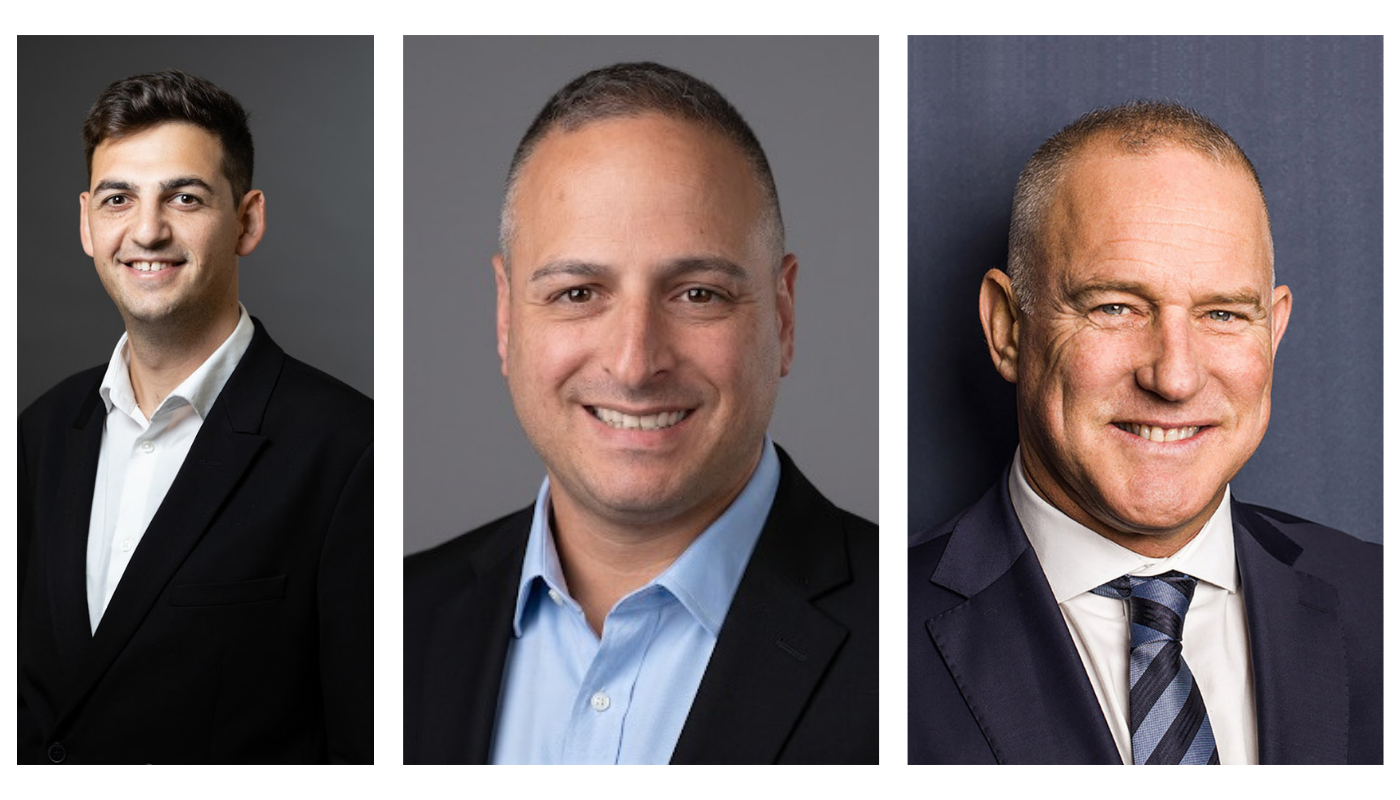
The integration of Artificial Intelligence (AI) into South African healthcare is no longer a futuristic concept; it’s an active, daily reality. But how do we ensure that the doctors we’re advising leverage technology to enhance care, without surrendering their clinical accountability? Read on for a few crucial insights, advises Michael-John Damant, Managing Director of Genoa.
From automated triage systems to predictive diagnostic algorithms, AI is transforming how we manage patient care. However, as medical practitioners eagerly adopt these technologies, we must confront a critical legal and ethical boundary. AI is a powerful co-pilot, but the human practitioner remains solely responsible for the patient’s outcome.
The trap of “automation bias”
One of the greatest modern risks to clinical excellence is automation bias. This is the psychological tendency for humans to favour suggestions from automated decision-making systems, over their own reasoning. In a high-pressure medical environment, it is dangerously easy to defer to a software prompt.
When clinicians over-rely on AI algorithms, they risk overlooking critical manual diagnostic flags, dismissing their own clinical intuition, or skipping vital physical examination steps. Consider a hypothetical scenario where an AI imaging tool scans a chest X-ray and clears the patient of abnormalities. If the clinician accepts this verdict blindly, they may miss a rare, subtle structural variant that a manual, structured review would have easily caught. The algorithm is only as good as its training data; it lacks a holistic view of the human body.
What your medmal insurer wants you to know
From a medical malpractice insurance perspective, the legal landscape regarding AI is clear and unyielding.
- The legal baseline: Insurers view AI strictly as an administrative or diagnostic tool, never as a peer. If an AI system misinterprets a scan or misdiagnoses a patient, and you sign off on that conclusion, the legal liability falls squarely on your shoulders. You cannot sue a software programme for malpractice; the onus of patient safety remains with the registered professional.
- The standard of care: Adhering strictly to an AI recommendation does not automatically satisfy the legal “standard of care.” If baseline medical protocols, physical exams, or routine lab tests are skipped because the AI deemed them unnecessary, the practitioner could be exposed to severe liability.
- Documentation is non-negotiable: Insurers require clear, contemporaneous records. If your AI tool suggests Route A, but your intuition says Route B, your notes must explicitly detail why you agreed or disagreed with the software prompt – and which steps you followed thereafter.

The human element: blending experience with technology
True medical excellence relies on honouring long-honed skills. Clinical intuition, tactile experience, and bedside observation cannot be coded into software. An algorithm cannot sense the slight hesitation in a patient’s voice, nor can it feel the rigidity of an abdomen. AI lacks contextual nuances and the ability to read the human being behind the chart.
Furthermore, we must resist treating AI as a definitive second opinion. For complex or borderline cases, peer collaboration remains the gold standard. Discussing a challenging case with a colleague provides a depth of shared human experience that machine learning cannot replicate. The augmented approach frames AI as a collaborative validator – a tool to confirm a human diagnosis, rather than the primary driver of your clinical decisions.
Actionable best practices for safe AI integration
To protect your patients and reduce your medical malpractice liability, embed these four practices into your daily workflow:
- Never bypass manual protocols: Complete all physical exams and standard diagnostic steps before consulting your AI software.
- Treat AI as a single data point: Use the software output as an opinion to consider, never as the final verdict.
- Cross-reference with peers: Discuss complex or anomalous AI findings with human colleagues – pooled knowledge and experience is key.
- Document clinical disagreements: Maintain detailed notes whenever your clinical judgment diverges from the software recommendation, which step you chose to make next, and the reasons you did so.
By maintaining strict clinical autonomy, South African doctors can safely harness AI to reduce their administrative burden, while also upholding the highest standards in patient care.
Share via: