When companies choose their communication partners on size and celebrity, they often buy convenience and call it strategy.
I have sat through this pitch from both sides of the table. The agency arrives with a deck mapping the entire communication universe: reputation, public affairs, crisis, digital, creative, investor relations, ESG. Its logo sits at the centre of every circle. Then the founder, usually a well-known name, delivers the closing line. One partner, one point of accountability, one invoice.
Increasingly, large companies are saying yes, usually to the biggest name in the room. I understand the appeal. But size is not the question boards should ask. The question is who, in the firm they appoint, has actually done this before.
The global networks are moving the same way. After taking over IPG, Omnicom announced around 4,000 job cuts and merged long-standing PR brands such as Golin and Ketchum. WPP had already combined BCW and Hill & Knowlton. The pitch is integration. The risk is fewer senior specialists spread across more accounts, just when a board needs them most.
The issue is not whether one firm can do both the day-to-day work and the board-level counsel. Some can, and they are often not the largest. The issue is whether the people assigned to you can sit with your chair and pressure-test your narrative against regulatory change, a governance failure, an activist shareholder or a sustainability claim that may not survive scrutiny. That counsel is earned in boardrooms and in the trenches, not in a credentials deck.
Picture how this plays out. A listed company has appointed one integrated agency for everything from media relations to “strategic counsel”. Late on a Friday, a regulator opens an inquiry. The account team does what it does well: a holding statement, media monitoring, a social media plan. But nobody in the room can tell the board how the regulator is likely to proceed, what must be disclosed to the market, or how the chair’s past comments will read at a hearing. This is the moment a small specialist team, often on a smaller retainer, can change the outcome.
South African boards know this terrain better than most: governance codes that hold the board accountable for stakeholder relationships, regulation that can shift overnight, and a long memory of corporate collapses that began as ignored reputational warnings. This is not a brief for a generalist.
Yet too often the choice comes down to profile: the biggest agency, the most visible CEO, the most awards. Visibility measures an agency’s own marketing, not whether someone can tell your board what it does not want to hear. The deepest expertise often sits in smaller specialist firms, where the person who answers the phone is the person who has done this before.
If you want to lose weight, a good personal trainer will serve you well. If you want to fix your golf swing, you see a PGA-accredited golf coach and a biokineticist who specialises in golf. All are professionals. You would not expect one to do the other’s job.

The better model is a strong Chief Communication Officer orchestrating a specialist ecosystem. The CCO is not a procurement manager handing over the keys, but the strategist and integrator who owns the narrative, sits close to the board and draws on the right expertise for each problem. Around them sits a deliberately chosen set of partners:
- Reputation and strategic advisory: governance, regulation and leadership positioning.
- Narrative development: what the company stands for, told consistently.
- Public affairs: policy, regulators and the state.
- Investor relations: analysts, shareholders and the JSE.
- Issues and crisis preparedness: scenarios, simulations and muscle memory.
- Creative: making the brand felt, not just understood.
- Digital and social: channels, listening and digital risk.
- Media relations: the engine of earned visibility.
- Internal communication: a reputation your own people don’t believe is not a reputation.
- Research and measurement: evidence over instinct.
Not every company needs every specialist all the time, and one firm may cover several of these areas well. What matters is that each is chosen for depth, and that someone senior holds the whole picture together.
Yes, fewer partners are easier to manage. But this is not a marriage in which one partner should meet every need. Before signing the masters-of-the-universe contract, boards should ask:
Who, by name, will advise our chair and CEO, and what have they personally advised on?
Is our reputational counsel independent of the team whose fees depend on generating activity?
- Who in the room has navigated regulatory, governance or shareholder pressure in our sector?
- Will this partner tell us when we need someone else?
- Who internally integrates the advice, and do they have the seniority to do it?
The last question matters most. No agency model replaces a CCO with a seat at the table and the authority to curate expertise. The companies that navigate what is coming will not be the ones that hired the largest or loudest agency. They will be the ones that knew which expert to call, and when.
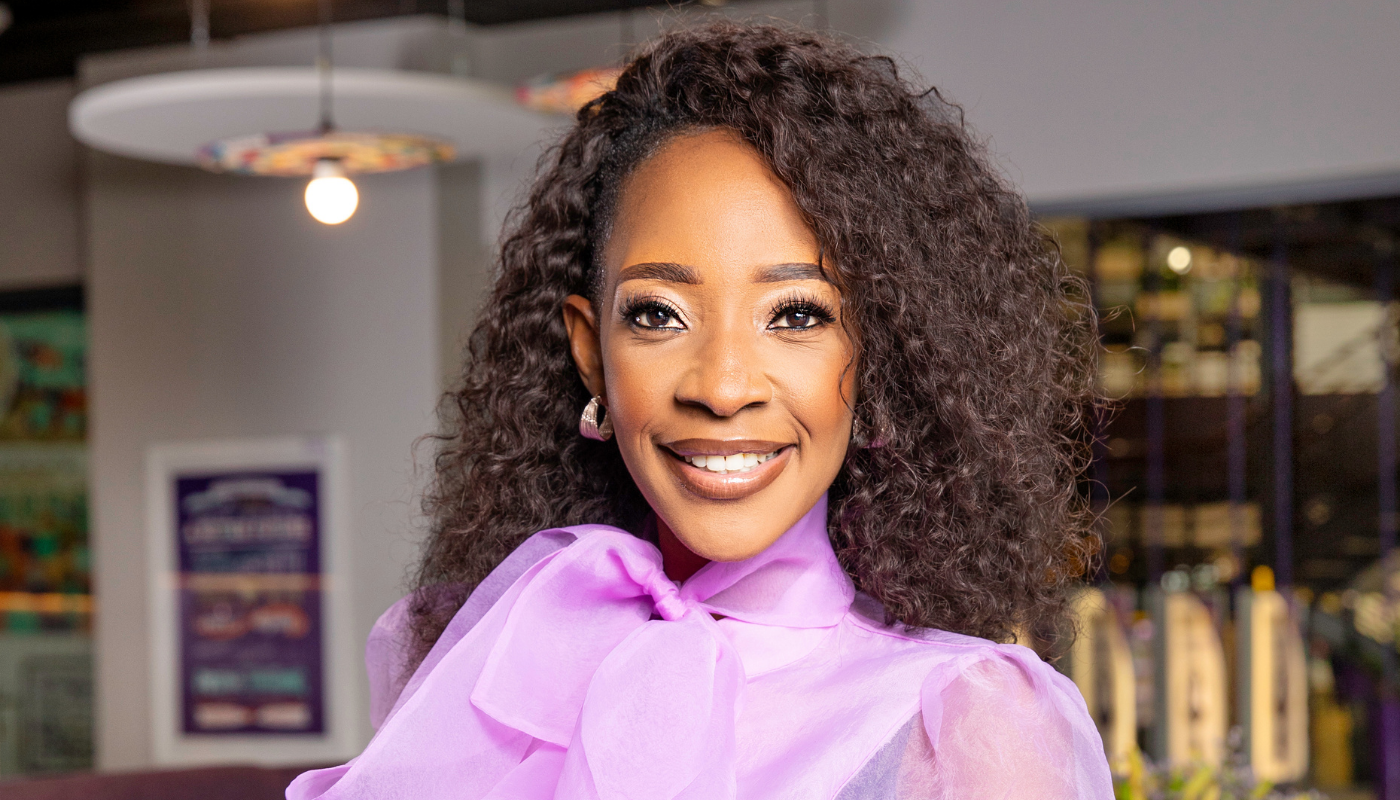
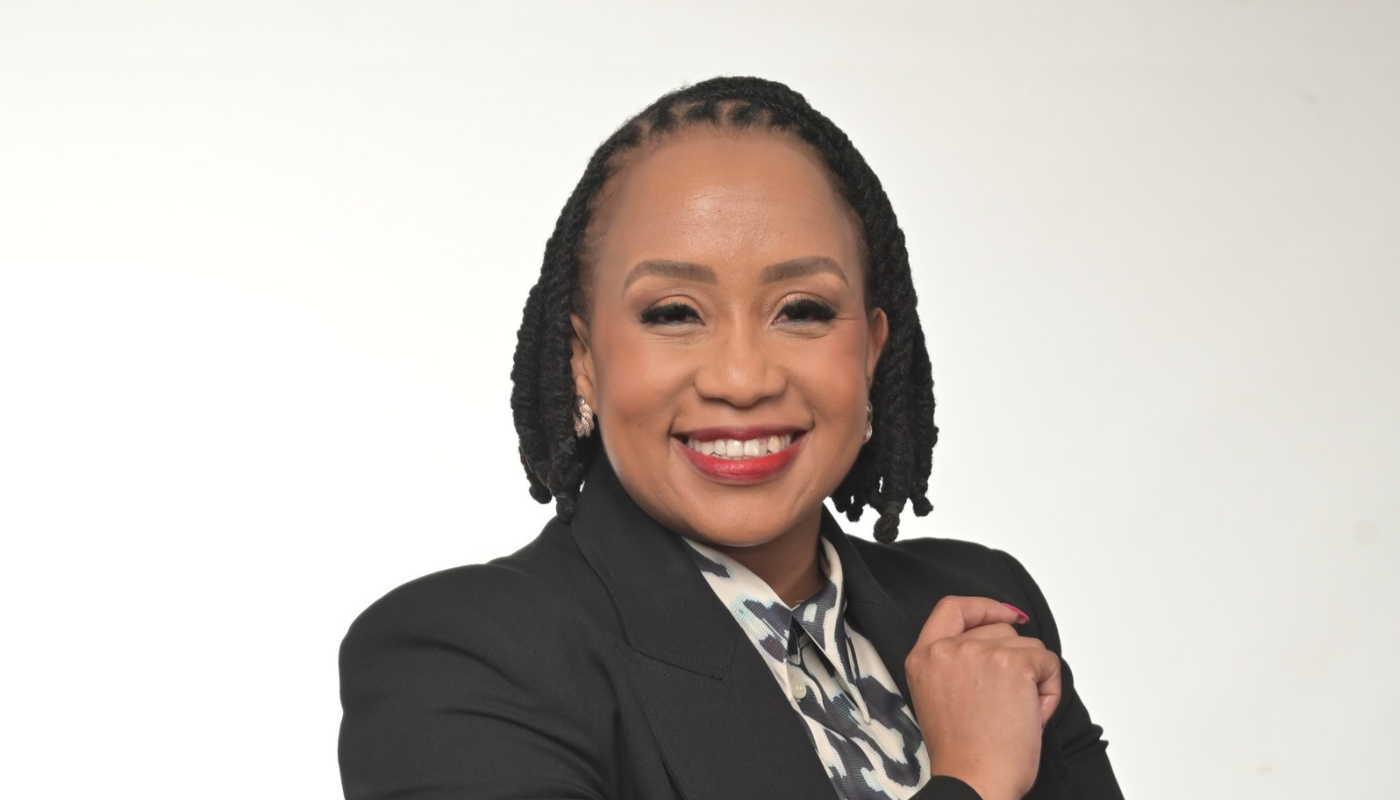
Esme Arendse is a reputation strategist who has led large corporate communication teams and advised clients from the agency side.
Share via: