Lefa AI puts South African realities at the centre of the AI-in-education conversation
As artificial intelligence rapidly enters classrooms, Human Studios’ Lefa AI initiative is building the platform, dialogue and local evidence needed to help South Africa navigate what comes next
Artificial intelligence is already changing how South African teachers teach, learners learn and schools operate, yet many of the technologies shaping this shift have been developed far from the realities of South African classrooms.
Lefa AI, an initiative designed and convened by South African education advisory firm Human Studios, is working to change that, helping South Africa rapidly make sense of the impact of AI on education and actively shape a response that is informed, collaborative, and grounded in the South African context.
Rather than approaching AI as inherently good or bad, Lefa AI examines where it could strengthen education, where risks are emerging, and what safeguards, policies and investment may be needed to ensure that its use is equitable, responsible and relevant to the local context.
Its rapid research, national webinars and expert roundtable events explore nine interconnected themes, bringing together existing evidence, expert insight and the lived realities of the education system. These range across issues including teaching and learning, assessment, infrastructure, governance, digital citizenship and local languages – providing policymakers, schools and education leaders with practical locally informed insight while the technology continues to evolve.

The urgency of the work has been recognised at national level. Minister of Basic Education Siviwe Gwarube has welcomed Lefa AI as a valuable contribution to South Africa’s developing response to AI in education, emphasising the need for an approach that is evidence-informed, locally grounded and equity-centred. The outputs of Lefa AI will inform the Department of Basic Education’s official policy response to AI and emerging technologies.
Why local context matters
One of Lefa AI’s nine research themes examines AI and African Languages in Education – an area that takes on particular resonance during Heritage Month.
The research highlights both the possibilities and the limitations of AI in a multilingual education system. South Africa’s indigenous African languages remain comparatively under-resourced in the datasets used to train AI systems, while dialect, grammar and widespread code-switching create additional complexity.
This does not mean AI cannot support multilingual education. Applications such as AI-assisted reading assessment show potential, and South African researchers have already developed an open dataset of isiXhosa child speech to help train early-grade reading assessment tools. However, the research cautions against a broader assumption: that systems built primarily for English-speaking environments will automatically translate effectively into South African classrooms.
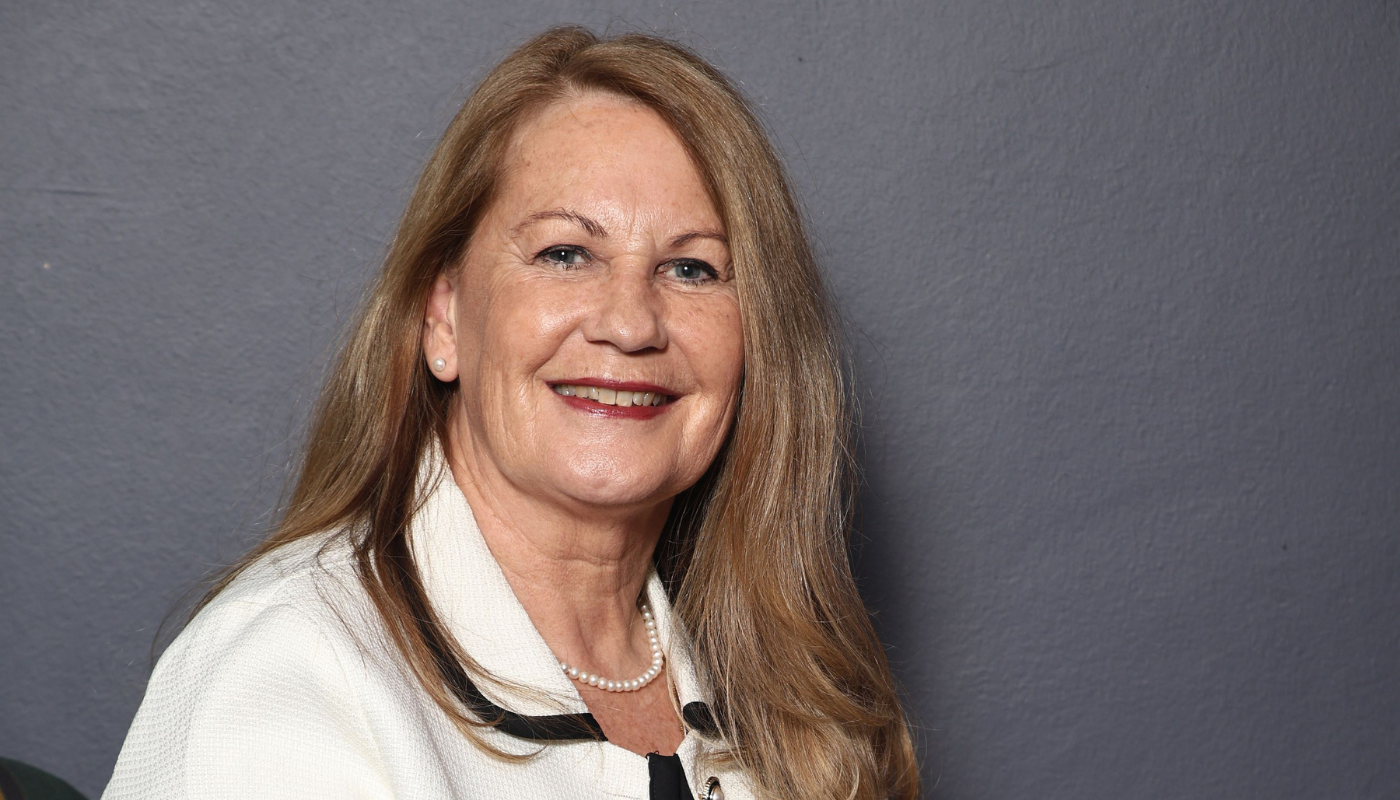
For Lefa AI, the language question illustrates a much broader principle: South African education cannot simply import AI models designed elsewhere. “AI is moving into education quickly, but speed cannot come at the expense of context,” says Shirley Eadie, Director of Human Studios. “South Africa needs to understand what these technologies mean for our teachers, learners, languages and education system to guide informed decisions about how they should be used locally.”
The African languages research calls for greater investment in local language datasets, tools designed around multilingual classrooms rather than adapted from English afterwards, and continued human oversight to ensure educational content is linguistically, culturally and pedagogically appropriate.
It is one example of the wider questions Lefa AI is seeking to address: What does responsible AI look like in South African education – and how do we ensure that the country helps shape its future, rather than simply inherit it?
Lefa AI is designed and convened by Human Studios, with strategic partners UNICEF South Africa, DG Murray Trust, JET Education Services and NASCEE,.
Share via: