Artificial intelligence (AI) is reshaping psycho-legal practice in South Africa, offering tools to enhance assessments, testimony, and ethical compliance amid high unemployment and skills shortages (Stats SA, 2024). Last week, Part 1 explored the South African psycho-legal context and AI’s influence across key streams, including expert witness roles, assessments, financial analysis, ethical standards, and guideline development. Part 2, grounded in peer-reviewed studies, examines opportunities and risks of AI-driven assessments, ethical issues with AI in decision-making, risks of dehumanisation or over-reliance, and governance strategies, proposing solutions for a balanced, inclusive approach.
Opportunities and Risks of AI-Driven Psycho-Legal Assessments
Opportunities
- Enhanced Efficiency – AI reduces assessment time by automating data collection, scoring, and report generation. For example, AI-driven psychometric tools can process results in minutes, compared to hours for manual scoring (Le Glaz et al., 2021).
- Improved Accuracy – Machine learning improves the reliability of assessments by identifying patterns in complex datasets, such as psychometric scores and collateral information, reducing human error (Menezes et al., 2024).
- Bias Reduction – AI can anonymise data, minimising unconscious biases in hiring or assessments, which is critical in South Africa’s diverse workforce (Dastin, 2018).
- Scalability – AI enables IOPs to handle high caseloads, such as RAF claims, by automating routine tasks, allowing focus on complex analyses (RAF Cash, 2024).
Risks
- Algorithmic Bias – Poorly designed AI systems may perpetuate biases if trained on non-representative data, potentially exacerbating inequalities in South Africa (Dastin, 2018).
- Data Privacy – AI’s reliance on sensitive data raises POPIA compliance risks, with breaches potentially eroding client trust (DLA Piper, 2021).
- Over-Reliance – Excessive dependence on AI may undermine professional judgement, leading to dehumanised assessments (APA, 2025).
- Cost Barriers – Implementing AI systems requires significant investment, which may be prohibitive for small IOP practices (Veldsman, 2020).

Ethical Issues and Governance in AI-Driven Psycho-Legal Practice
Ethical Concerns
- Bias and Discrimination – AI systems trained on biased datasets may produce unfair outcomes, particularly in South Africa’s diverse context. For example, an AI tool trained on urban-centric data may misjudge rural claimants’ earnings potential (Dastin, 2018).
- Dehumanisation – Over-reliance on AI risks reducing empathy in assessments, as algorithms may overlook nuanced human experiences (APA, 2025).
- Privacy Violations – Mishandling sensitive data, such as psychological or financial records, risks breaching POPIA and eroding trust (DLA Piper, 2021).
- Accountability – Legal ambiguities, such as responsibility for AI-generated errors, challenge professional neutrality (Tortora, 2024).
Good Governance
Good governance ensures AI enhances psycho-legal practice responsibly:
- Transparent Algorithms – AI systems must disclose training data and decision-making processes, allowing IOPs to verify outputs (APA, 2025).
- Regular Audits – Independent audits, as mandated by SIOPSA’s 2022 guidelines, can identify and mitigate biases (SIOPSA, 2022).
- Informed Consent – Clients must be informed about AI’s role in assessments, with clear opt-out options (DLA Piper, 2021).
- Human Oversight – IOPs must retain final decision-making authority, using AI as a supportive tool rather than a replacement (Veldsman, 2020).
Proposed Solution: SIOPSA should develop an AI ethics framework for psycho-legal practice, incorporating HPCSA and POPIA standards. Training programmes on ethical AI use, supported by universities and NGOs, can equip IOPs to balance technology and human judgement.
AI is transforming psycho-legal practice in South Africa, enhancing expert testimony, assessments, financial analyses, ethical compliance, and guideline development. Practical examples demonstrate AI’s potential to improve efficiency, accuracy, and inclusivity. However, risks such as algorithmic bias, privacy concerns, and dehumanisation necessitate robust governance. By adopting transparent, audited AI systems and prioritising human oversight, IOPs can harness AI to address South Africa’s skills crisis and workforce challenges while upholding ethical standards. Strategic partnerships between SIOPSA, universities, and government can ensure AI-driven psycho-legal practice drives sustainable, inclusive growth.
This article is based on research conducted by Dr Chris Blair of 21st Century, one of the largest remuneration and HR consultancies in Africa. Please contact us at info@21century.co.za for any further information.
Written by:
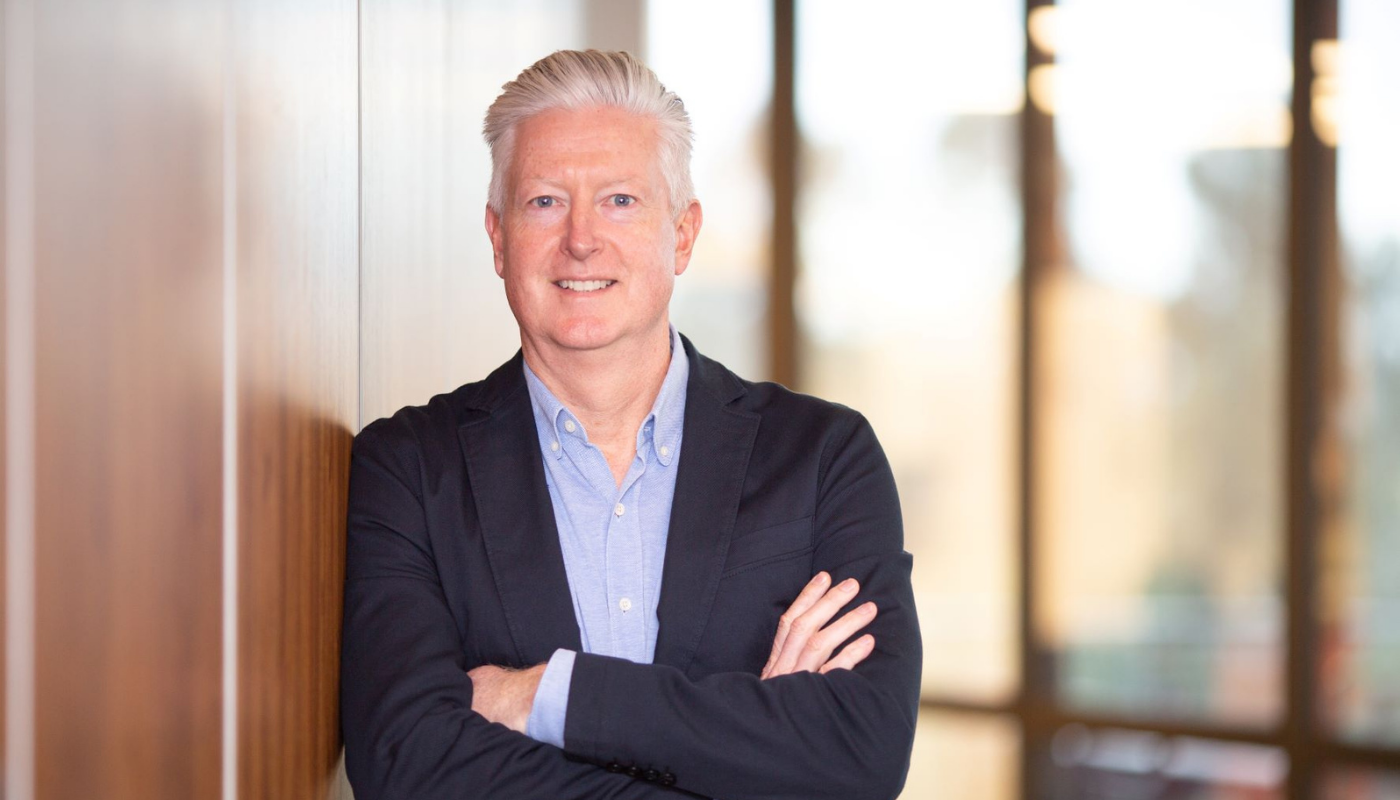
Dr Chris Blair, GROUP DIRECTOR of 21st Century, cblair@21century.co.za
B.Sc. Chem. Eng., MBA – Leadership & Sustainability, PhD – Leadership & Management
About 21st Century:
21st Century, a level 2 BBBEE company, is one of the largest Business and People Solutions consultancies in Africa, specialising in sustainable business solutions and underpinned by exceptional Analytics and Research capabilities, with a team of more than 60 skilled specialists, servicing over 1700 clients – including non-profit organisations, unlisted companies, government, parastatals and over two-thirds of the companies listed on the JSE. 21st Century offers bespoke business and strategy planning services, operating model and organisational design, creative reward practice modelling and market data, change, stakeholder and culture management, training courses and comprehensive human capital and talent plans. 21st Century continues to offer solutions via a combination of virtual channels and on-site presence.
21st Century has five business areas: Remuneration and Reward, Organisational Design, Change Management, People & Talent and Analytics.
21st Century has both national and international capabilities. We offer full-spectrum Human Capital services to sub-Saharan Africa & Middle East clients, and as the African representative of the GECN group (www.gecn.com) have access to expertise on every continent around the world.
For more information visit: www.21century.co.za or contact us at (011) 447 0306
Or contact Craig Raath Executive Director at craath@21century.co.za
askAYYI Tech Assistant
Experience the Future of Consulting Today
Discover how artificial intelligence can transform your business journey. Visit 21stCentury and engage with askAYYI – a pioneering AI assistant – available 24/7 to guide, answer, and connect you with expert support in real time.
Share via: