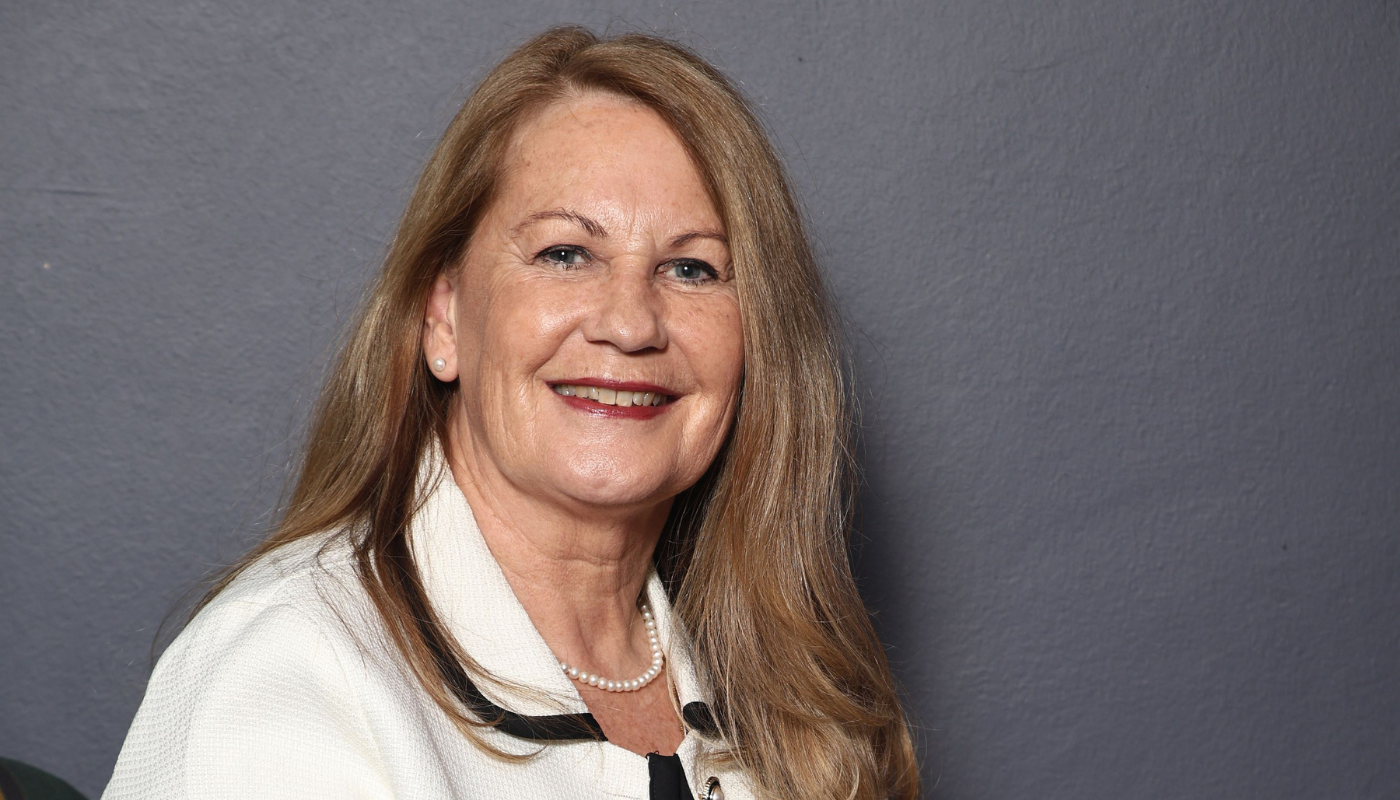
Dr Nirmala Reddy, Head of Enterprise Development at Nedbank.
South Africa’s youth unemployment crisis remains one of the defining challenges of our time. Behind the statistics are millions of young people who have done what society asked of them: they have studied, developed practical skills and prepared themselves for the world of work. Yet too many remain locked out of economic opportunity, standing at the gate of the economy with no door open to them.
For years, the conversation around youth unemployment has focused almost exclusively on job creation. While jobs are undeniably essential, we need to broaden the discussion. In a country where unemployment remains stubbornly high, we cannot rely on traditional employment pathways alone. We must also empower young people to create opportunities for themselves and for others. This is particularly true for artisans. Every day, qualified plumbers, electricians, bricklayers, tilers and TVET graduates enter the labour market with valuable technical skills. They are trained to solve problems, build infrastructure and provide services that communities need. Yet many struggle to find formal employment despite being equipped with highly marketable expertise.
The challenge is often not a lack of talent. It is a lack of access to the entrepreneurial skills, mentorship, networks and opportunities needed to turn technical competence into a sustainable business. That is why Nedbank, together with enterprise development partner Fix Forward, launched a two-year entrepreneurship programme designed specifically for qualified artisans. The programme helps participants transition from job-seeker to job-creator, building businesses that generate income, create employment and strengthen local economies.
Our vision extends beyond entrepreneurship training. We are working to rewire mindsets. Too often, young people are conditioned to believe that success depends on finding someone willing to hire them. While employment remains important, there is another pathway that deserves equal attention: building a business that creates jobs for others. When an artisan starts a successful enterprise, the impact extends far beyond one individual. A plumbing business may need an assistant. An electrical contractor may employ apprentices. A construction entrepreneur may create opportunities for labourers and subcontractors. One business can become the catalyst for multiple livelihoods.
The early results from the programme demonstrate the power of this approach.
Just two months into the programme, 204 participants achieved a 114% increase in new projects secured, a 60% increase in jobs created, resulting in 366 jobs, and a 64% increase in average monthly income. These results show what can happen when technical skills are combined with business acumen, mentorship and support. The impact is perhaps best illustrated through the stories of participants themselves.

In KwaZulu-Natal, Mandisa Qhamukile Brightness Hadebe runs a plumbing business serving residential and small commercial clients. Since joining the programme, she has grown her operation into a small team comprising one permanent employee and three part-time workers, while generating an average monthly income of R15,000. Mandisa credits much of her progress to improved self-leadership and communication skills. Through the programme, she learnt to better manage pressure, plan work more effectively and communicate more constructively with clients and colleagues. She also adopted active listening techniques, taking time to understand customer needs before preparing quotations and following up after projects were completed. These seemingly small changes have helped strengthen client relationships and improve opportunities for repeat business.
The programme also helped Mandisa develop a stronger entrepreneurial mindset. By applying tools such as the Business Model Canvas, she identified new opportunities to market her services through social media and direct customer engagement, giving her a clearer strategy for business growth.
In the Western Cape, Timothy Mtetwa has experienced similar success. Based in Vredendal, he runs a renovations, painting and tiling business that now generates an average monthly income of R21,000 and supports two permanent and five part-time employees. Prior to joining the programme, Timothy relied mainly on flyers and social media to market his services. Through the Innovation and Creativity module, he began approaching hardware stores and schools directly to promote his services, opening new customer channels and expanding his client base.
The programme also helped him tackle one of the most common challenges facing small businesses: cash flow. Equipment rental costs often placed his business under financial strain and limited the projects he could undertake. By introducing client deposits and securing a credit facility for equipment hire, he improved cash flow management and increased his ability to take on larger projects. Equally important, Timothy says the programme strengthened his confidence as a business owner and leader. The peer-learning environment and practical business tools helped him address team challenges more effectively and improve productivity within his business.
Stories like those of Mandisa and Timothy reinforce an important lesson: South Africa’s young people do not lack ambition, talent or work ethic. What they often lack is access to the right support at the right time. Our programme has already attracted strong interest in KwaZulu-Natal and Mpumalanga, where enrolment is fully subscribed. The results we are seeing demonstrate that when artisans receive the right support, they can transform technical expertise into thriving enterprises that create jobs and contribute meaningfully to economic growth.
Next, our focus turns to the Western Cape, where places remain available for qualified artisans looking to build businesses of their own. We know the talent exists. Across the province there are capable young tradespeople with the technical skills to succeed as entrepreneurs. The challenge is awareness. Many simply do not know that opportunities such as this exist. That is why industry bodies, training institutions, community organisations, families and the media all have a role to play in helping young artisans discover entrepreneurship as a viable pathway to economic participation.
Every artisan who builds a sustainable business represents more than a personal success story. They represent local development, economic inclusion and the creation of opportunities for others. This is how we begin shifting the youth unemployment curve—one entrepreneur, one enterprise and one job at a time. South Africa needs builders—not only of infrastructure, but of businesses, jobs and economic hope. Our young artisans have the skills to do exactly that. The opportunity now is to help them unlock their potential and become part of a generation that builds a more inclusive and prosperous future for all.
Share via: