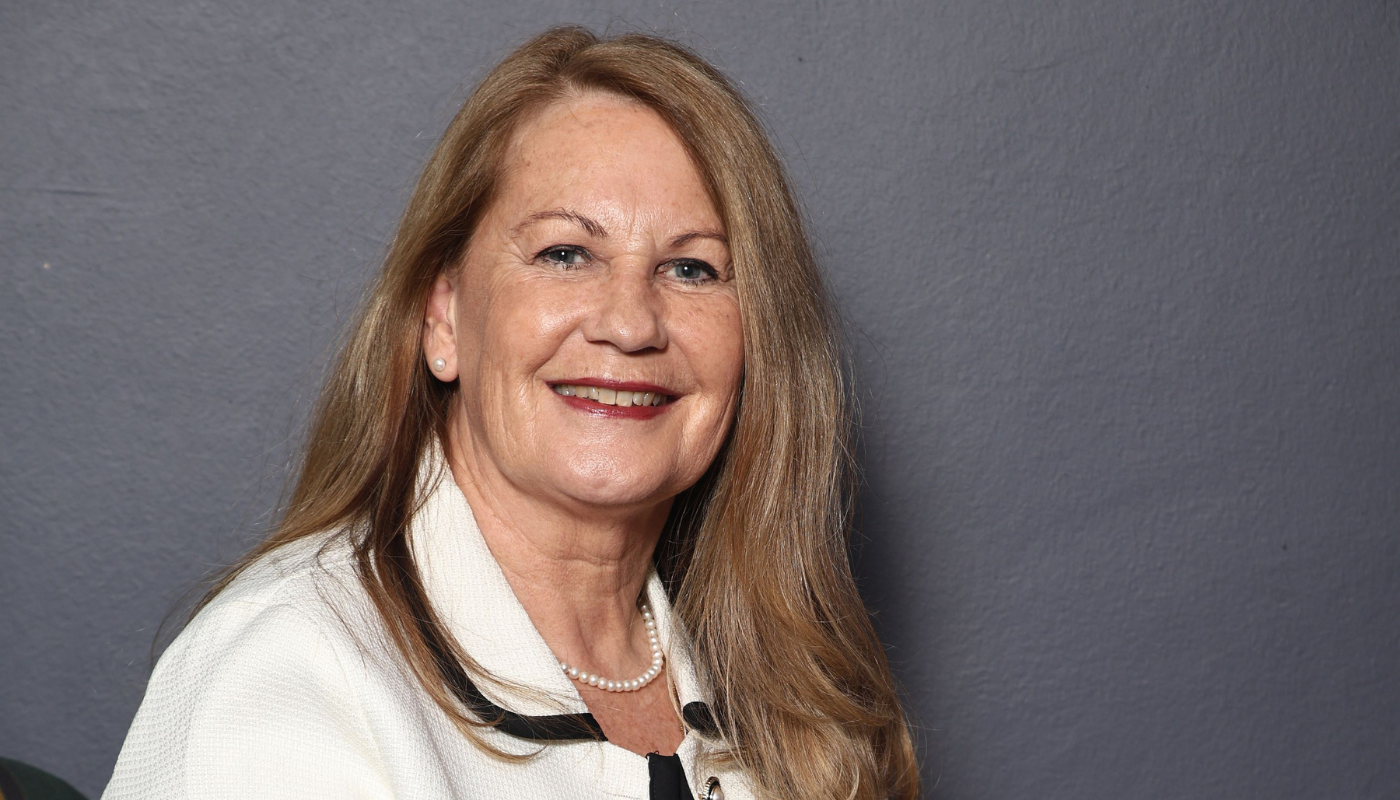
Mitchan Adams, CEO and Co-founder of Aions Ventures
For a founder, having the right mindset is essential. Think of funding as an accelerant and not a substitute for doing. If you are not already testing, learning, and selling, then capital will not save you.
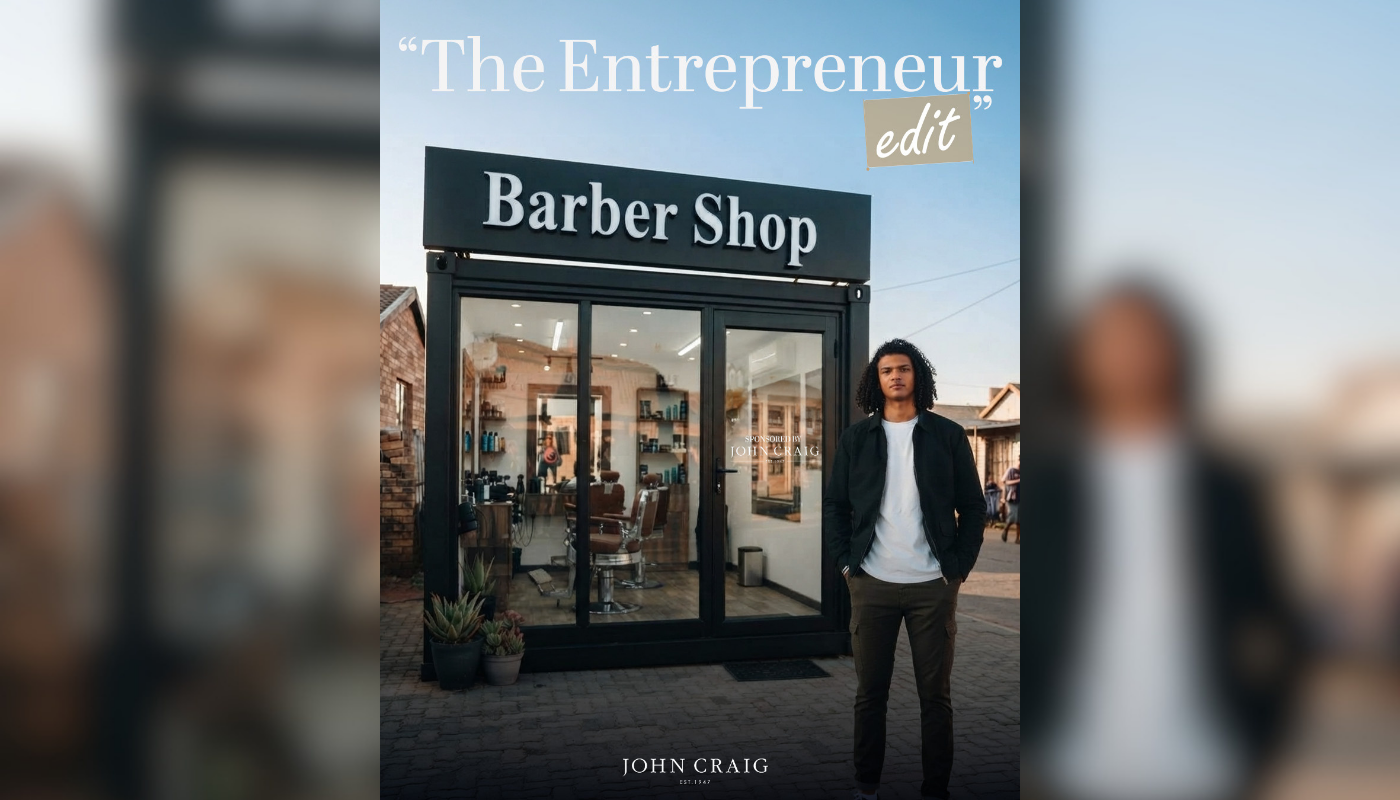
In my mind, there are three archetypes. There is the business owner. This person is disciplined, operating a proven model with mapped-out steps and has clear limits to growth. Second, you have the hustler. They are relentless and opportunistic, but light on structure, forever spinning plates. Finally, there is the entrepreneur who is a blend of both. They have the hustler’s appetite for risk along with the business owner’s systems and planning. The entrepreneur will pitch for funding while already rolling out the plan in whatever way possible. That balance of urgency and structure is what separates momentum from not having focus.
In South Africa, we read how the likes of Silicon Valley investors back the jockey. They write cheques based on how much they like a founder. But our environment is different. Local funders are custodians of scarce, accountable capital, and they cannot pretend risk is free. Layer that onto our legacy of exclusion from education, markets, and finance, and you get a system where overconfidence without capability is dangerous and where capability without exposure rarely gets seen. So yes, mindsets matter. But they must be built.
Mindset can be taught. Creativity and entrepreneurial instinct live in parts of the brain we activate through deliberate practice, often outside the classroom. Put people in situations that stretch them, for example, endurance sports, complex games, and high-pressure simulations. Then watch how problem-solving capabilities emerge. Fun in developing founders is not frivolous. Gamification works because it lowers the fear of being wrong and raises the rate of learning.

Founders must also be willing to leave their comfort zone, both geographically and socially. Mentors notice when you implement advice. Networks open when you prove you are willing to do the work. The right conversation at the right time can turn a hustler into an entrepreneur.
At Aions Ventures, our screening reflects this. When a founder cannot explain why they need millions of rands, what they will do with it, and how that maps to a customer journey, we push them to learn more and to understand their markets better. Suppose you inflate salaries, gloss over basics like rent, or cannot articulate who your first ten paying customers are. In that case, it is not capital that is the bottleneck, but your own capabilities.
The real question then, is how do you build the mindset piece?
- Build resilience. Practice facing small challenges now so you can handle the big ones later. Fast for a day. Run hills. Play a maddening sport like golf where your patience, integrity, and self-control get tested in public. You are training the muscle you will need when a deal slips, or a month’s runway disappears.
- Teach through play. I am a fan of tools that smuggle hard lessons into enjoyable formats. Board games like FinMaster by Fintr teach you about cash flow, market days teach about pricing and inventory, and live simulations teach how to negotiate. People keep what they learn when they are having fun.
- Start selling early. The market is the best teacher. Talk to customers, sit down for coffee, and pitch in small rooms. Most early-stage founders need to be hooked from the start.
Curate your circle. If your closest five people do not push you, you will get used to just being comfortable. You need people to unlock your initiative if you are to level up.
It is not a case of mindset versus money. It is mindset before money, and then mindset with money. Funding accelerates whatever you are already doing. As a country, we need to teach the habits that create momentum, give honest feedback fast, and then put fuel into those founders who are already moving.
Share via: