As Movember shines a global spotlight on men’s health, the conversation around mental wellbeing in the workplace has never been more urgent. Across sub-Saharan Africa, new data reveals a concerning mental health landscape – where 48% of employees experience daily stress and 28% reporting emotional loneliness.
Due to stigma, men tend not to talk about their mental health issues. Often expected to “tough it out,” men face social and cultural barriers to seeking help – contributing to an alarming regional male suicide rate of 18 per 100,000, far exceeding the global average of 12.4 per 100,000. Globally, mental disorders are one of the leading causes of health-related burden and affect 1 in 8 men.
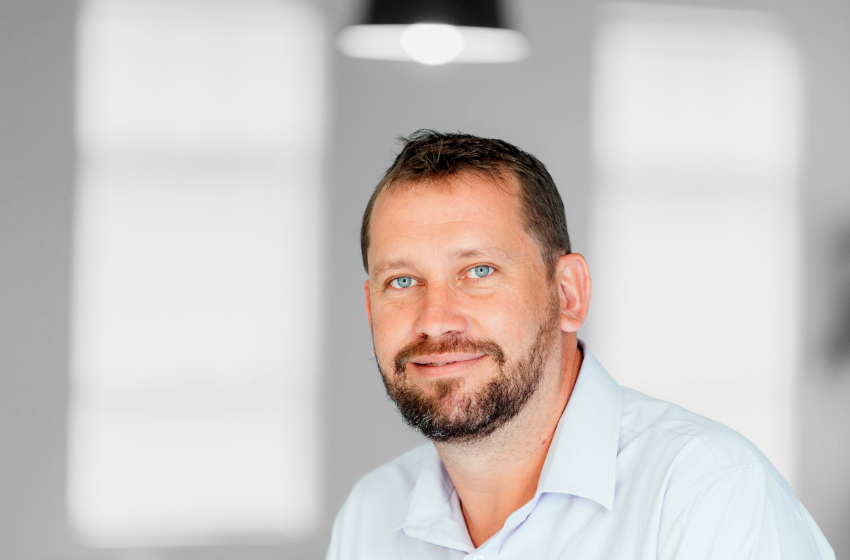
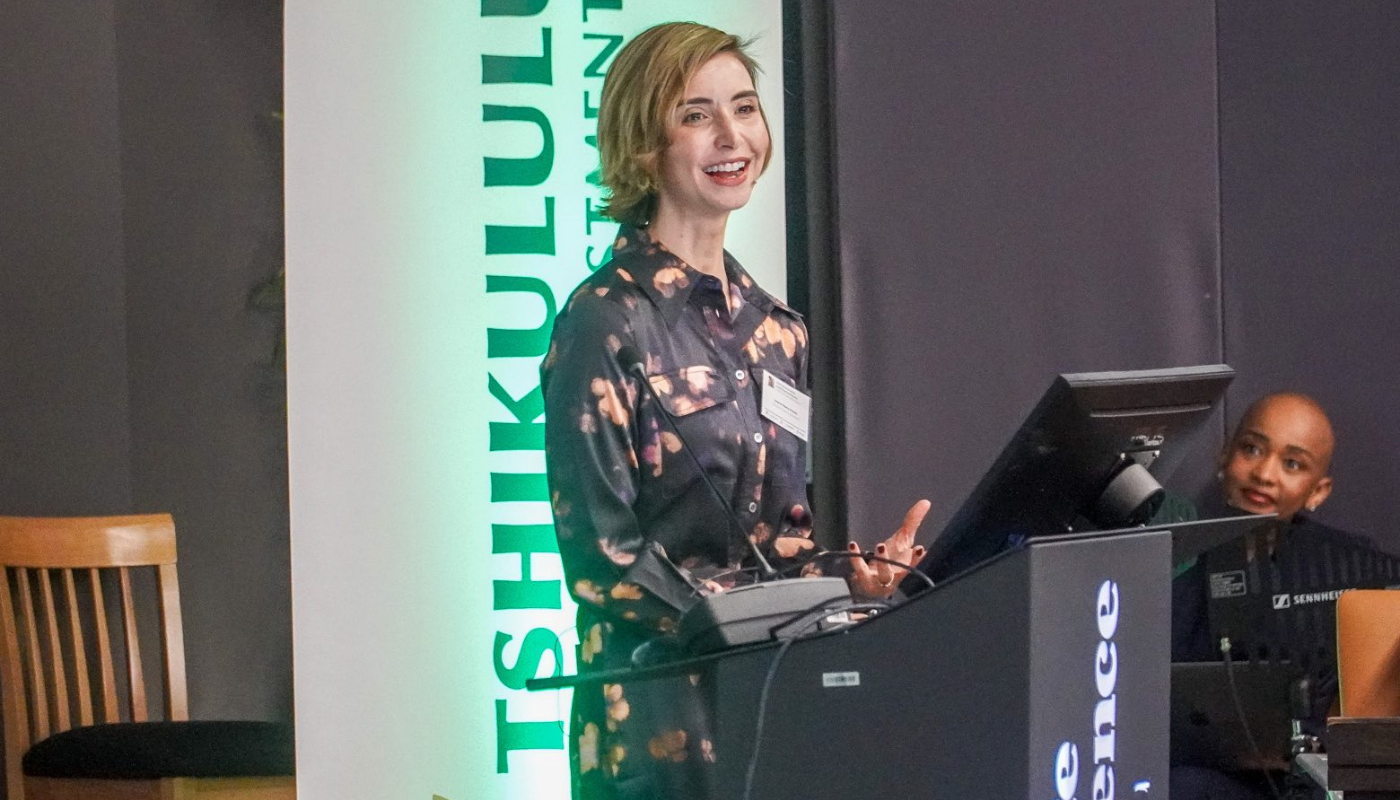
“There are various factors that lead to mental health disorders,” says Morgan MacDonald, Wellness and Mental Health Manager at International SOS. “From our work with several organisations’ employees, we have seen that some may feel they are not surrounded by those they can trust enough to open up to. Burnout is another problem which we’re observing a peak in among employees. When unaddressed, burnout can lead to poor employee performance, health issues that impact both personal and organisational finances, and increased absenteeism.”
The COVID-19 pandemic accelerated these challenges, blurring the boundaries between work and home and reinforcing an “always on” mentality. As businesses recalibrate in this new era of work, supporting mental health at every career stage has become a leadership imperative.
MacDonald adds, “Our internal research and engagement with our clients in Africa reveal that organisations are under increasing scrutiny to support employee wellbeing. Beyond moral obligation, there’s a business case: happier, healthier employees drive retention, performance, and innovation.”

The key is for organisations to recognise that every employee’s work life stage is transformational and can impact their mental health. Therefore, effective support during transitions, while addressing the pressures associated at each stage, is crucial for maintaining employee wellbeing. Here are five workplace life stages organisations need to be aware of and the challenges they bring:
- Early recruitment and onboarding: Thinking about wellbeing should begin long before an employee’s first day of employment. How a job is designed, and what wellbeing risks may be experienced as part of the job, as well as what available resources can be available should be understood long before the job begins. How Talent Acquisition teams consider best fit for role including emotional resiliency can impact the overall success of the employee when they start. Onboarding is a critical stage, and starting a new job is one of the top stressors in life. Often, early on in a career, people may struggle with anxiety, imposter syndrome, adjusting to culture and workload, and they need extra support and mentoring.
- Organisations that invest in early career support for employees as they onboard, set the pace for a healthy start.
- Production and daily work: Once an employee has adapted to their role, the “honeymoon phase” ends and the deeper work expectations and workplace culture arise, leading to new challenges for employees such as increased workload pressure, decline in support and recognition, increase of psychosocial hazards, risk of burnout, and poor work-life balance.
- Leadership: As employees climb the career ladder, working towards leadership roles, influence, visibility and responsibility take a natural shift. This also brings its own set of challenges if not appropriately trained for the position or supported to fill the responsibilities of leadership. For example, isolation at the top, stigma around vulnerability, chronic pressure and decision fatigue, poor work-life balance, and the strain of managing other people’s challenges.
- Exiting: The way organisations manage employee exits, whether due to their own choice or redundancy, shapes not only the experience of the person leaving but also the morale and trust of those who remain. Challenges they can experience include emotional strain and loss, residual trauma post exposure to high stress, lack of closure, stigmatisations and poor psychological safety and reputational risk.
- Retirement: This marks the end of a familiar chapter and the beginning of an uncertain one, where employees will deal with identity loss, financial and health concerns as well as a reluctance to seek support, while the organisation loses vital knowledge and resources.
“Comprehensive wellbeing strategies aren’t once-off initiatives; they’re woven through every stage of the employee experience. The ISO 45003 framework is key for identifying and mitigating psychosocial risks across these transitions, ensuring a culture where people can thrive throughout their careers. Movember reminds us that mental health is not just a personal issue – it’s a workplace imperative too,” concludes MacDonald.
Share via: