South Africa’s youth unemployment rate remains among the highest in the world, with Stats SA reporting that 62.2% of young people aged 15-24 were unemployed and 12.2% of graduates struggled to find work in Q2:2025. For those with matric or less, the situation was even more dire, with unemployment rates of 35.2% and 39.4%, respectively.
The challenge is this: when formal job opportunities are scarce, entrepreneurship should be a viable alternative, but too many local entrepreneurs are failing – not because they lack ideas or support, but because they do not have the practical skills needed to run sustainable businesses.
A 2023 Stellenbosch Business School study of Small and Medium Enterprise (SME) failure found that lack of formal training, especially in financial management, budgeting, record-keeping, and strategic planning, was a recurring feature among failing small businesses, while work by research platform Scielo (also in 2023) identified skills deficiencies in areas like technology, business management, market research, and marketing, as major drivers of failure among Suth African SMEs.
Added to this, ANDE – a global network of organisations that support small and growing businesses in emerging markets – has documented that non-financial support (mentoring, tailored capacity building, and networks) is a major stumbling block for our entrepreneurs. The report states that “many programmes are generic and do not build the specific skills entrepreneurs need.”
There is a gap between ambition and expertise, and government is increasingly working to bridge this divide. The Department of Small Business Development has outlined a renewed focus on building the capabilities of the SME support ecosystem, aiming to formalise 30,000 businesses and support 50,000 start-ups every year. The not-yet promulgated Integrated Strategy for the Promotion of Entrepreneurship and Small Enterprises further promises to strengthen access to finance and improve financial literacy among entrepreneurs in underserved areas.
This is a solid foundation, but the structure will only stand strong if the next generation of entrepreneurs has the skills to build on it – and this is where education must provide the blueprint.

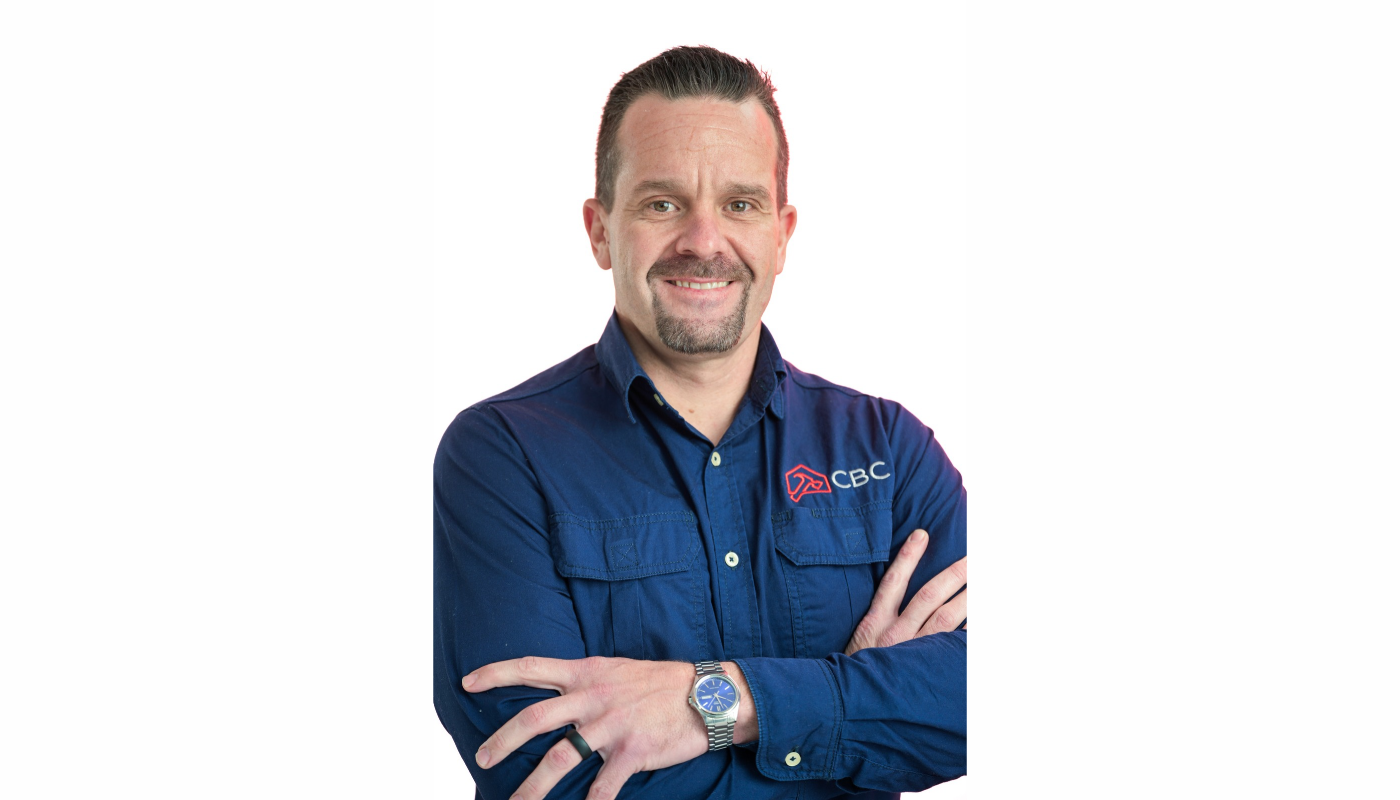
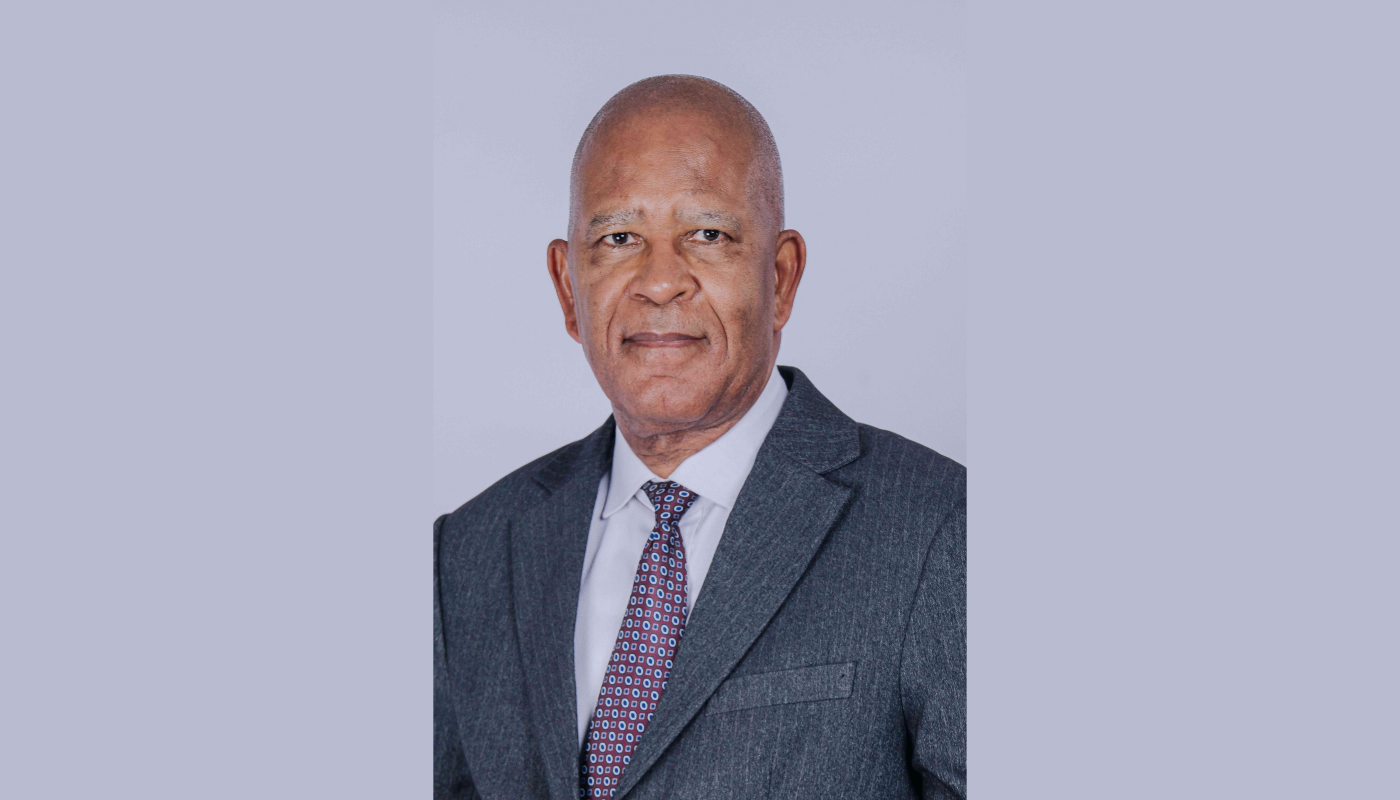
Shaun Fuchs, founder and CEO of Centennial Schools, believes that South Africa’s schools hold the key to transforming our entrepreneurial landscape. “Our education system has remained largely unchanged for decades,” he says. “We continue to teach for employment, not for innovation. But if we want to create a generation of job creators rather than job seekers, we need to embed entrepreneurial learning into the curriculum.”
Fuchs also argues that successful entrepreneurs do not only possess tangible skills like the ability to write a business plan or an understanding of supply and demand: “Less measurable skills like curiosity, confidence, resilience, and the ability to solve real-world problems must also be nurtured.”
At Centennial Schools, entrepreneurship is not an extracurricular activity. Students engage in practical, project-based learning that integrates essential knowledge in marketing, financial management, innovation and networking, as well modern-day essentials like coding, content creation, and cryptocurrencies. In addition, the school has established partnerships with entrepreneurs that enable its students to engage in real-world work environments and gain exposure to practical challenges, all with the goal of embedding skills that can turn ideas into impact.
The success of this approach is reflected in the achievements of Centennial Schools students like 15-year-old Onalerona Tsiane, who recently represented South Africa at the SAGE Teen Entrepreneurship World Cup 2025 in Tbilisi, Georgia. Competing against teams from over 30 countries, Tsiane’s company, TeeSisters, which she owns and runs with her sister, finished in the global top six, earning Sustainable Development Goals Awards for No Poverty and Reduced Inequalities.
Fuchs sees this not only as a proud moment for South Africa but as a signal of what is possible when entrepreneurial education is done right. “When students are given the tools and the space to think creatively, they can operate at a global level and compete with the best in the world.”
As South Africa marks National Entrepreneurship Month, and as the G20 continues to emphasise inclusive economic growth and employment, the message is clear: entrepreneurship can drive the change the country needs, but only if education keeps pace with the future. “The next generation does not just need to learn how to find a job. They need to learn how to create employment, both for themselves and for others,” ends Fuchs.
Share via: