By Dr. Alex Malapane, PhD
As South Africa ushers in Tourism Month, it is important to reflect not just on the beauty of our landscapes or the richness of our heritage, but on the undeniable economic muscle that tourism brings to our nation. This is no longer a soft industry of leisure and lifestyle; it is a hard economic driver. Tourism contributes close to 9% of our GDP and supports nearly 1.6 million jobs across both formal and informal sectors. For millions of households, this translates into food on the table, rent paid, and school fees covered. For a country facing chronic unemployment and sluggish growth, the sector is not a luxury, it is a lifeline.
Globally, tourism accounts for nearly 10% of GDP and one in every ten jobs. According to the World Travel & Tourism Council, 2023 saw global tourism rebound to around 95% of pre-pandemic levels, generating over US$9.5 trillion for the global economy. The World Travel Market highlights that Africa is one of the fastest-growing regions, with international arrivals projected to surpass 75 million by 2030, a reminder that South Africa is competing in a crowded and aggressive marketplace. According to the UN World Tourism Organization, international arrivals worldwide grew by 34% in 2023 compared to 2022, with Africa recording some of the strongest rebounds. The International Air Transport Association further reports that global air passenger traffic has returned to 99% of pre-pandemic capacity, and in many markets, including Africa, it has exceeded 2019 levels. These figures confirm that the tide has turned; travellers are back, and competition for their spend is fiercer than ever.
South Africa has benefited from this rebound, welcoming close to 8.9 million international arrivals in 2024, with more than three-quarters of these visitors coming from the African continent. That spend injected over R91 billion into our economy. But the real backbone has been domestic tourism. South Africans themselves made over 38 million trips in 2023, spending R121 billion, evidence that local travellers kept the industry alive when the skies were shut and international borders were restricted. Forecasts for 2025 suggest domestic spending could rise above R445 billion, while overall tourism employment could approach 1.9 million jobs. Yet international arrivals still lag behind our peak of more than 10 million in 2019, and our GDP contribution from tourism remains short of pre-pandemic highs.
Connectivity remains a make-or-break factor. O.R. Tambo International Airport handled over 17 million passengers in the past year, but domestic air seat capacity is still below 2019 levels. According to IATA, South Africa’s seat recovery is at around 82% of pre-pandemic capacity, with international routes under strain due to airline collapses and high operating costs. The government’s National Air Access Strategy must deliver results quickly, opening new long-haul routes to India, China, Latin America, and more African destinations. Without greater connectivity, our competitors will continue to capture tourists who might otherwise choose South Africa.

It is also time to elevate entertainment, sport, and culture as central components of the tourism story. The National Arts Festival in Makhanda, the Mangaung African Cultural Festival in Bloemfontein, and large-scale pop culture gatherings such as Comic-Con Africa attract hundreds of thousands of visitors every year. These events generate billions in economic value, sustain SMMEs, and extend the tourism footprint to smaller towns and under-visited regions. Sports tourism is equally critical, rugby, soccer, cricket, golf, and even adventure sports attract both international visitors and strong domestic spending. According to the WTTC, sport-related travel contributes nearly US$600 billion annually to global tourism spend, and South Africa has the natural and cultural assets to capture more of this growing market.
The importance of arts and culture cannot be overstated. They are the backbone of domestic tourism, providing experiences that are affordable, authentic, and rooted in local identity. When South Africans travel for a festival, a concert, or a cultural celebration, they not only enjoy the event but also stimulate local economies, book accommodation, buy food, and support small businesses. In a post-pandemic economy where international arrivals remain volatile, it is domestic travellers and their appetite for entertainment and culture that will determine the resilience of the sector.
Yet challenges remain. Transformation in the industry is incomplete. Large and established players still dominate the value chain, while small, black-owned, youth-owned, and women-owned enterprises struggle to access finance, markets, and visibility. If tourism is to serve as a true vehicle of economic inclusion, then empowerment of SMMEs is essential. Financing models tailored for tourism entrepreneurs, simplified regulatory processes, and deliberate integration of township and rural tourism into national campaigns are not just moral imperatives but sound economic strategies. Every small business that thrives in this sector multiplies jobs, adds innovation, and strengthens the national tourism product.
The elephant in the room, however, is safety. According to global surveys, safety perceptions are among the top three deciding factors for travellers choosing a destination. Negative headlines about crime discourage international arrivals and undermine confidence among domestic travellers. Safety must therefore be treated as tourism infrastructure in the same way as airports or roads. This requires visible policing in tourist hubs, real-time safety apps, community-based initiatives, and rapid response coordination with law enforcement. Without decisive safety measures, South Africa will continue to lose high-spending tourists to destinations that may not have our landscapes or culture but can guarantee peace of mind.
The economic logic is undeniable. Every additional million international arrivals generates around 25,000 direct jobs and billions in foreign exchange earnings. Domestic tourism spend, already above R121 billion, stabilises sectors such as hospitality, transport, agriculture, and entertainment. Cultural and sporting events extend economic activity beyond traditional hotspots into smaller towns and rural areas, creating inclusive growth. According to the WTTC, by 2035 South Africa could generate over three million jobs in tourism if we unlock the right policy levers. That is the scale of the opportunity in front of us.
Tourism Month must therefore be more than an annual celebration. It must serve as a national wake-up call. We must open our skies, integrate arts and sport as central tourism products, empower SMMEs, guarantee safety, and inspire South Africans to travel their own country. Tourism is not seasonal, nor secondary. It is the most immediate lever for job creation, household upliftment, and foreign exchange stability. If treated with urgency and vision, tourism will not only recover, it will define South Africa’s economic destiny.
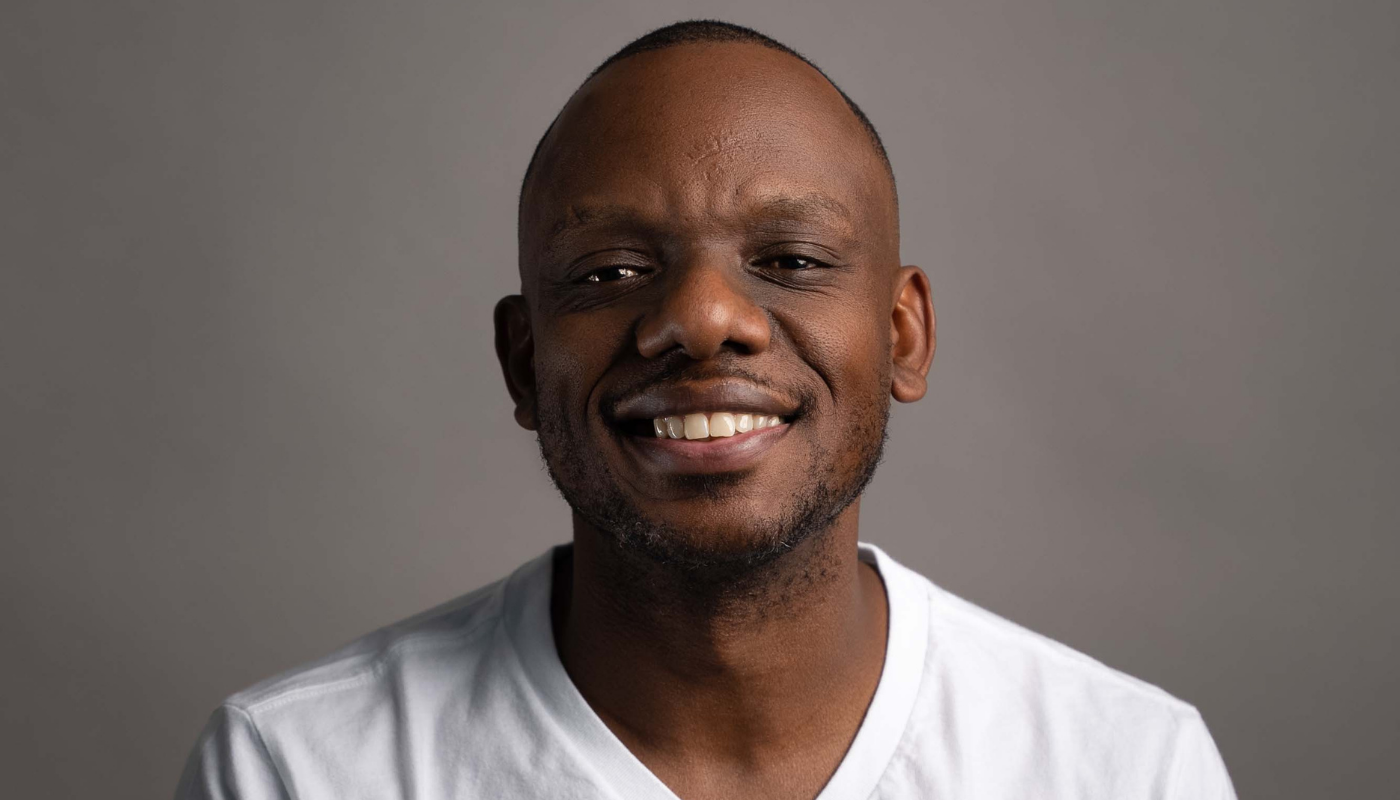
About the Author: Dr. Alex Malapane is the current CEO of the Market Intelligence Barometer Research Entity (MIBRE) and is a recipient of the Most Influential Man 2025 in South Africa award, a prominent South African business executive, strategist, conference speaker, and facilitator, as well as a multidisciplinary researcher and independent economic analyst who writes in his personal capacity.
Share via: