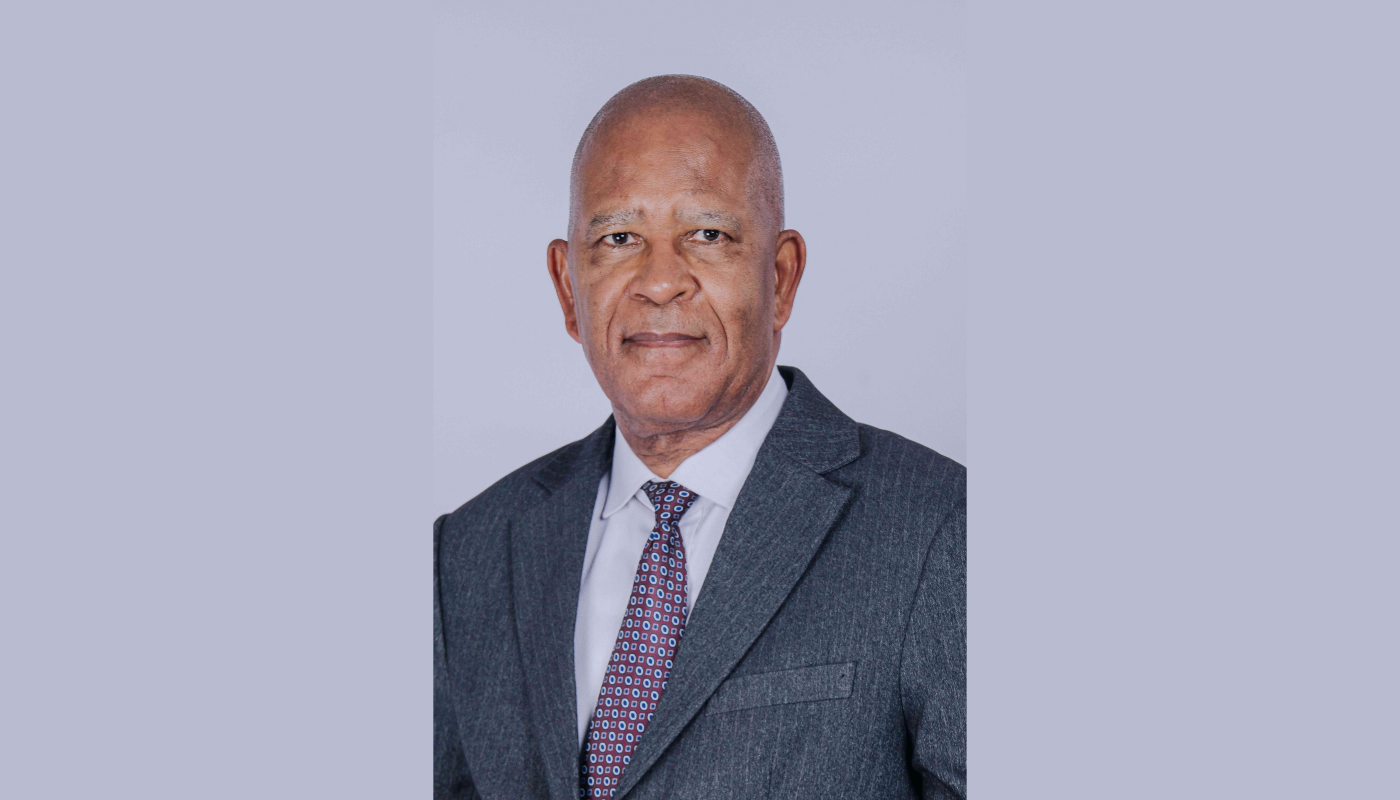
Thomas Brennan, CEO and Co-founder of Franc
Every year, as Savings Month rolls around in South Africa, the conversation tends to follow a familiar script: we’re not saving enough for retirement; debt levels remain high; too few people invest. All true but missing the type of savings many need most: an emergency fund.
At Franc, we’ve seen this play out. Our mission has always been to make investing accessible through simple, low-cost access to local and offshore funds. But investing feels intimidating, full of jargon and risk. Backed by early-stage investment firm Aions Ventures, Franc continues to scale its mission of making saving and investing more inclusive and behaviourally relevant.
By contrast, saving is familiar. South Africans already use formal accounts, stokvels, and savings clubs. The issue is structure, habit, and access to the right tools. That’s why emergency funds are central to our offering. We often describe it like a champagne tower: you fill the first glass (your emergency fund) before anything else can flow into the longer-term savings or investment glasses.
Why an emergency fund matters more than you think
At its core, an emergency fund is your financial safety net. It provides a buffer against unexpected shocks. In a country where job insecurity, medical emergencies, and rising living costs are daily realities, the importance of this buffer can’t be overstated. Without it, you risk dipping into long-term savings or investments when life throws you a curveball, interrupting the very growth those funds are meant to deliver.
The rule of thumb we advocate is simple: if you’re fully employed, aim for one to three months’ worth of living expenses. If you’re self-employed or freelance, three to six months is ideal, given the income volatility many entrepreneurs face. Yes, those numbers feel overwhelming. But starting small (even R100 a month) builds meaningful buffers over time.

Where you keep your emergency fund matters, too
One of the common mistakes we see is keeping emergency savings in the same account as daily spending money. This creates temptation to dip into the fund for non-emergencies. That’s why separation is crucial. Ideally, your emergency fund should sit in a low-risk, high-interest bearing account, such as a money market fund, where your savings can earn real returns but still be accessible when needed.
We’ve structured the Franc savings account specifically for this purpose, offering interest rates that are competitive with money market funds while keeping the money separate from daily transactional accounts.
It’s not just financial, but behavioural
What often gets lost in these conversations is that saving is far less about spreadsheets than it is about behaviour. Many of us know the so-called 50-30-20 rule: 50% goes to essential needs (rent, food, transport, utilities), 30% to discretionary spending (entertainment, dining out, hobbies), and 20% to savings or debt repayment. It’s a simple framework but not many people successfully apply it in practice.
That’s why we focus on building habits. Automating transfers or “paying yourself first” are simple hacks that improve consistency.
We’ve also found that accountability boosts success. Our Shared Goals feature, for example, allows friends, partners or family to save toward shared targets such as a wedding, holiday, or emergency fund. Everyone sees the progress and can nudge each other when contributions lag.
Gamification plays a role as well. We’ve developed several savings challenges that break intimidating savings targets into smaller, more achievable monthly increments. Whether adding R50 monthly or setting year-end targets, these challenges help rewire behaviour in a rewarding way.
The deeper problem: financial literacy gaps
Underpinning all of this is a simple but sobering reality: most South Africans have never been taught the basics of personal finance. According to data we collected in a Franc survey, financial literacy remains worryingly low across income groups and age bands. While policymakers talk about adding financial education to schools, it remains absent.
This is why we created Franc Academy, a free learning platform in our app to help our community grasp budgeting, saving, and investing.
Savings Month often feels like another reminder of how far behind we are. Don’t be paralysed by the size of the goal. Start with the first glass. Build your emergency fund. Automate your habits. The rest will follow.
Share via: