Succession planning in the African banking landscape has evolved. It is no longer just about identifying who’s next, it’s about understanding where the market is headed, which leadership skills are in demand, and how competitors are structuring their executive teams. In an increasingly competitive and interconnected sector, banks are turning to external talent mapping not merely to fill leadership gaps, but to gain the kind of intelligence that shapes boardroom decision-making, governance priorities, and long-term strategy.
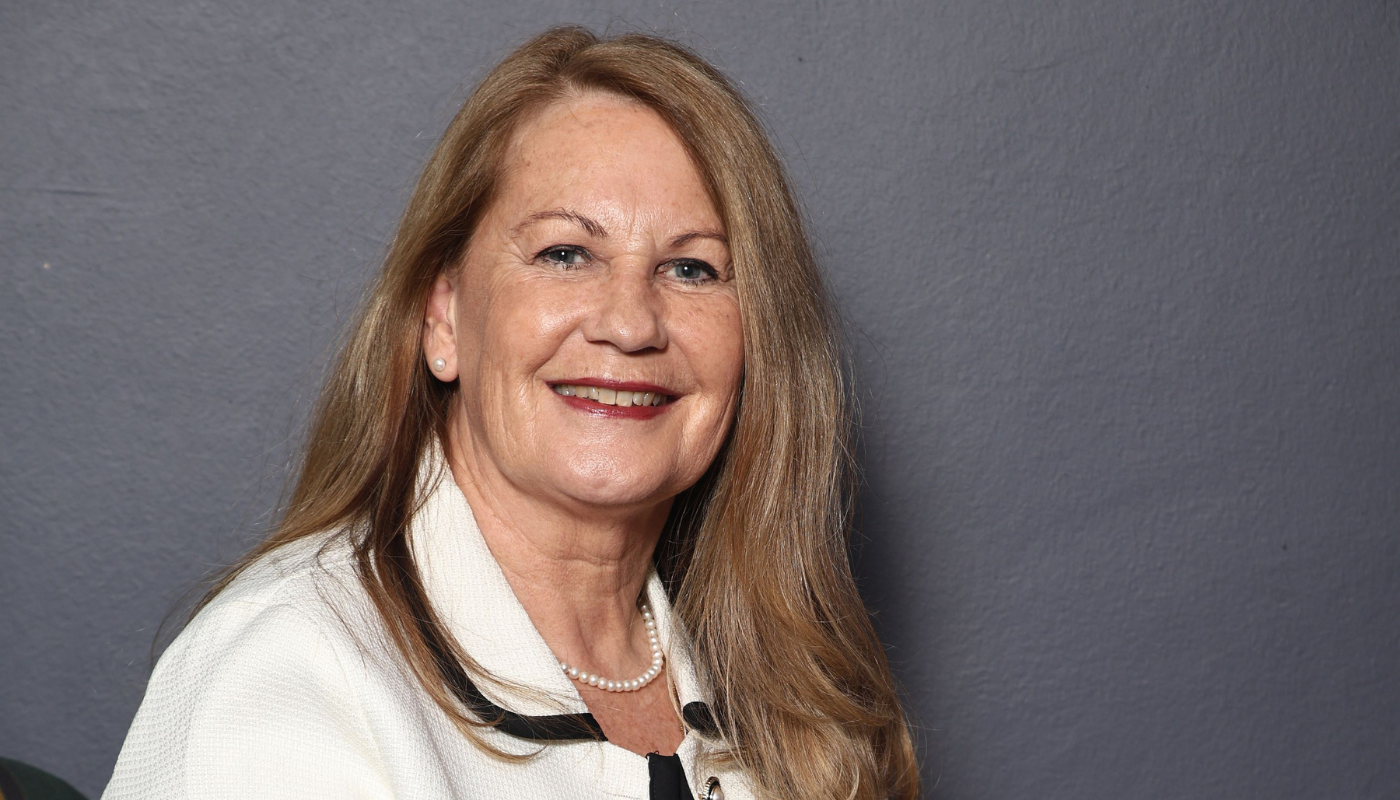
“When done right, external talent mapping becomes a lens into the future of your organisation and your market,” says Julie Murray, Director at Tuesday Consulting, an independent executive search firm. “It allows banks to understand not just the talent landscape, but their relative positioning within it which is a crucial advantage in times of uncertainty or transition. By engaging with talent, we have been able to provide valuable insights.”
Traditionally viewed as a reactive HR-driven exercise, succession planning is now being redefined as a strategic, research-led discipline. At Tuesday Consulting, a recent talent mapping exercise spanning nine African countries, revealed patterns that go far beyond CVs and candidate lists.
“What we’re uncovering are the signals behind the scenes. From how competitors are hiring to what those choices say about their priorities,” she explains. “That’s where talent mapping becomes competitive intelligence.”
Talent trends often reflect business focus. “We’re seeing banks recruit heavily for digital transformation, risk and compliance leadership, and in some cases, they’re importing skills from Telecommunications and Professional Consulting firms which is a strong signal of their intent to innovate or scale.”
By analysing regional patterns, banks can also begin to pre-empt skill shortages. In Francophone markets, for example, digital banking expertise is in short supply, while in Mozambique, the demand for cross-sector leaders is accelerating.

Executive committee composition – from gender diversity to local vs. expatriate ratios – offers a snapshot of institutional culture and ambition. “Cross-functional mobility is on the rise. We’re seeing executives rotate between Risk, Credit, and Operations. This signals a growing appetite for adaptable leaders with holistic business understanding.”
Another key shift is the rise of digitally fluent leaders. “It’s not always about technical degrees. It’s about leaders who can translate digital ambition into executable strategy and bring stakeholders along for the journey.”
Gender representation is also a growing focus when conducting mapping. Based on a recent executive talent mapping, Zambia (42%) and Botswana (40%) are leading the way with female managing directors, while countries like Mozambique (0%) and Ghana (13%) lag behind. “Benchmarking gender equity at the executive level is helping banks shape broader transformation agendas,” she says.
As retail banking slows in mature markets like South Africa, many institutions are expanding into frontier economies such as Malawi and Tanzania. “Talent strategies are following growth. Some banks are developing homegrown talent, while others are targeting pan-African executives with cross-border experience.”
Succession planning has entered the boardroom conversation. With increasing regulatory oversight, particularly for regulated roles like CEO and CRO, external talent mapping is no longer a luxury, it’s essential. “It’s also important to understand its value in collaboration with HR Directors to overlay the internal succession slate. In highly regulated environments, succession planning needs to be proactive and not reactive. Today C-suite leaders believe it’s not about plugging gaps, but about future proofing leadership.”
In countries like Botswana, where visibility is limited or expatriate movement is restricted, Tuesday Consulting’s work provides critical access to trusted networks. In larger markets however, competition is fierce and knowing who’s in the market can mean the difference between landing or losing your next transformative leader.
In countries like Botswana, where visibility is limited or expatriate movement is restricted, Tuesday Consulting’s work provides critical access to trusted networks. In larger markets however, competition is fierce and knowing who’s in the market can mean the difference between landing or losing your next transformative leader.
“Boards, governance committees, and investors should care about talent mapping because it directly impacts strategy execution,” Murray concludes. “If you want to see where a business is headed, look at who it’s building to lead it.”
When banks treat talent mapping as a strategic tool and not just a list of names, they gain more than succession clarity and are able to assess the view of the road ahead.
About Tuesday Consulting
Tuesday Consulting is a premier executive search and talent advisory firm, established in 2004 with a clear mission to invest in people and transform organisations. As a research-driven firm, businesses trust Tuesday Consulting to identify and place leading leadership candidates who align with their strategy and company culture.
What sets Tuesday Consulting apart is its extensive leadership network. As a proud member of the Agilium Worldwide Executive Search Group, the firm offers clients access to a global leadership network spanning 33 countries and ensuring world-class talent solutions.
Proudly South African and 51.67% Black women-owned, Tuesday Consulting is committed to diversity and inclusive leadership. Women make up 89% of its team, and with a Level 2 BBBEE contributor score, the firm actively champions equitable representation at the leadership level.
Headquartered in Johannesburg, Tuesday Consulting has a national presence, with offices in Gauteng, the Western Cape, and Eastern Cape, and now set to expand its footprint across Africa.
For more, visit tuesday.co.za.
Share via: