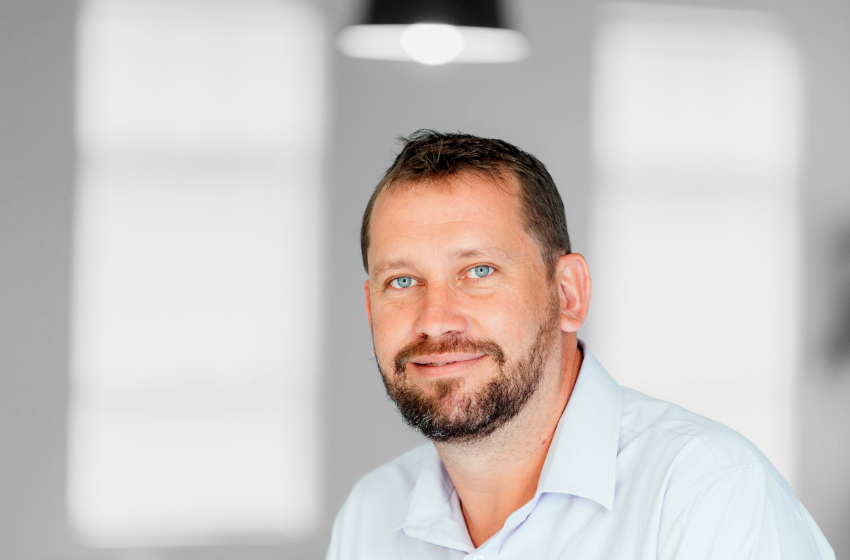
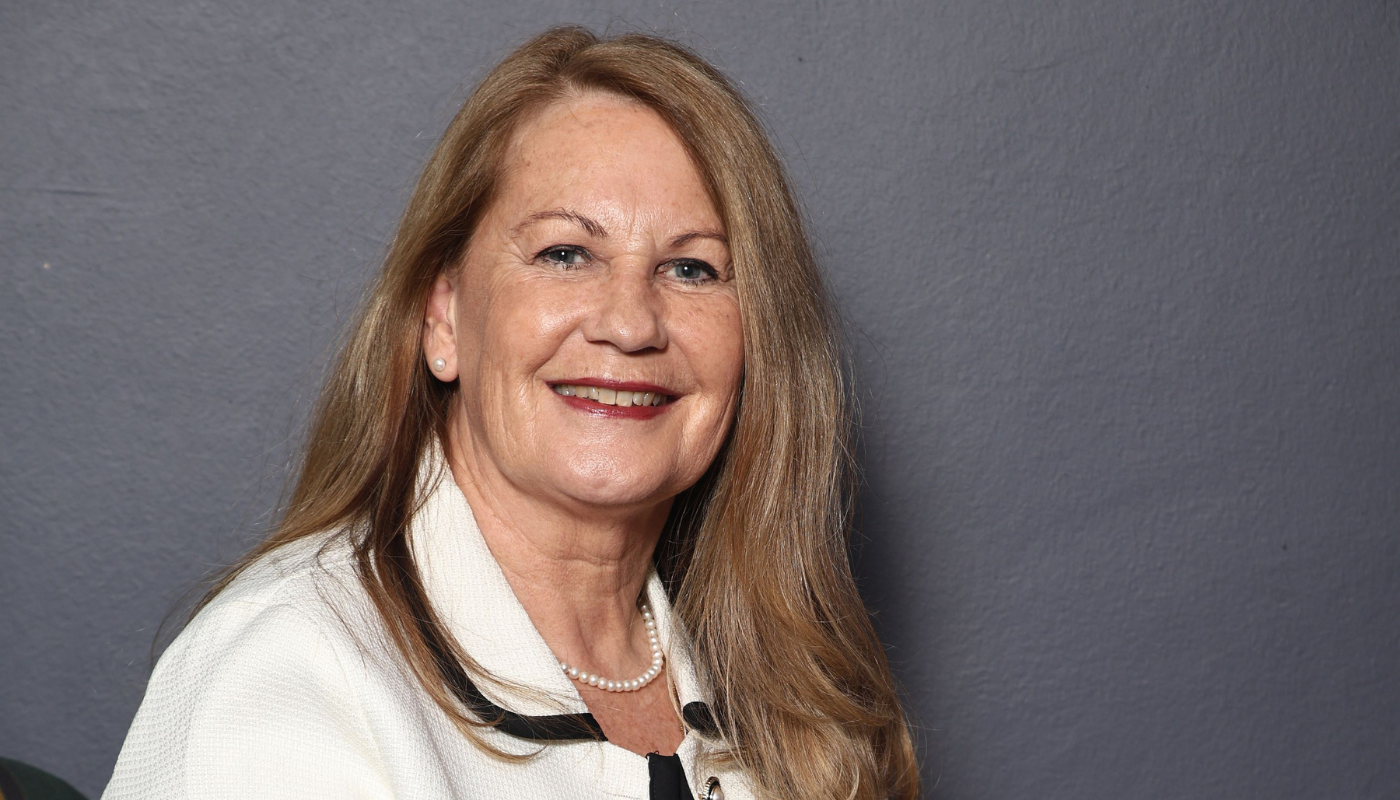
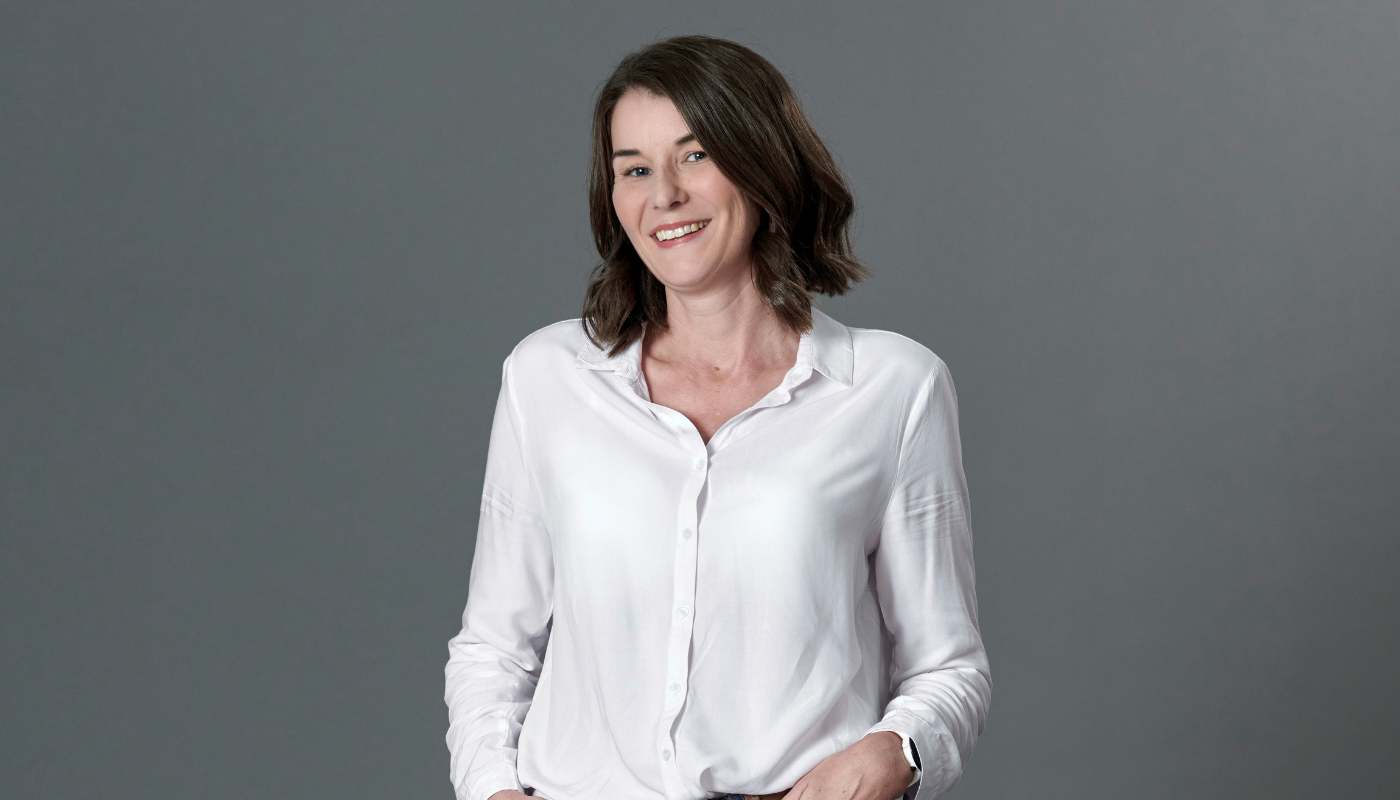
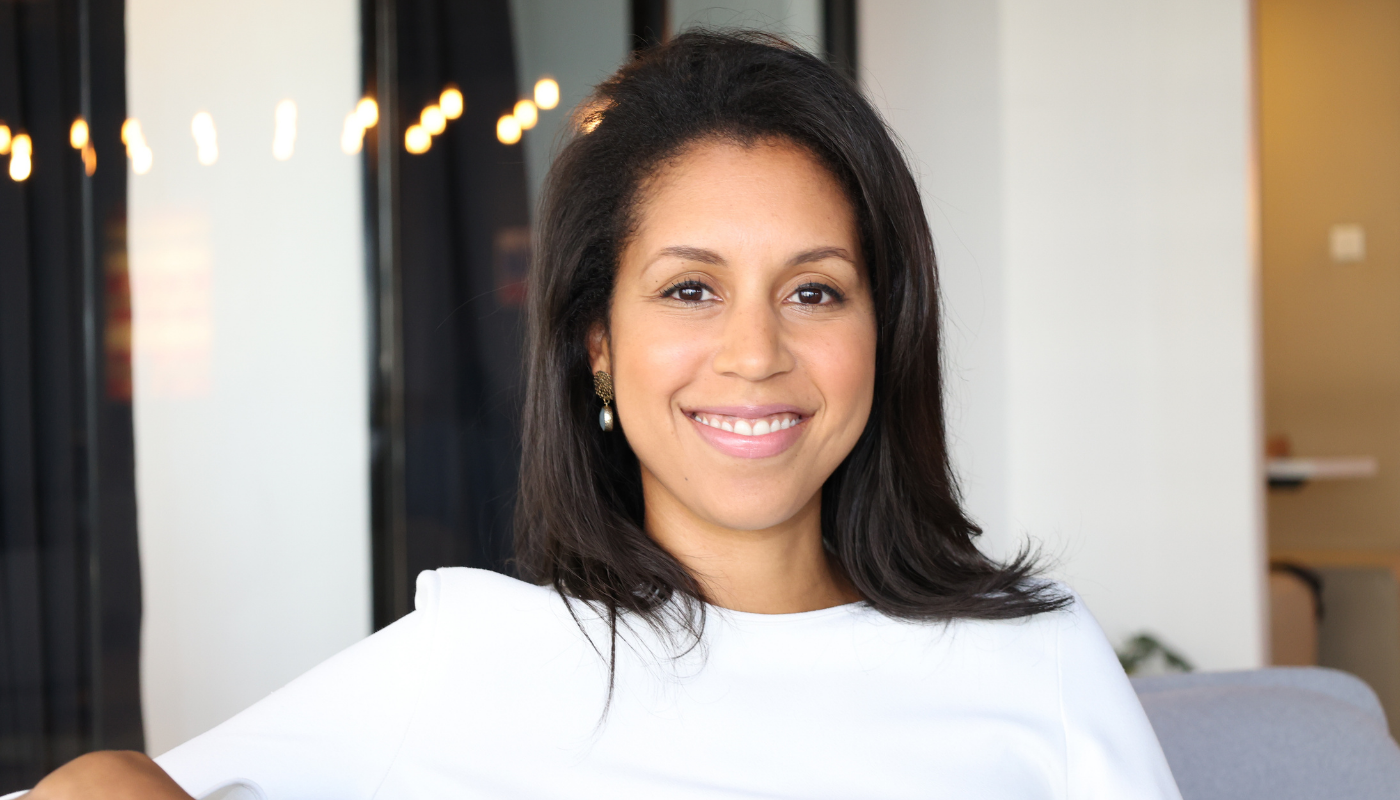
Charlene Kotze, Human Resources Manager, Henkel South Africa
In an era defined by volatility, transformation, and widening inequality, the conversation around talent must begin far earlier than at the hiring table. At Henkel South Africa, we believe that our journey, which begins with early childhood development and extends all the way to executive potential, is proof that early and long-term investment in people is not only the right thing to do, but the smart thing to do.
For nearly two decades, Henkel has supported the Tamaho Early Learning Centre – a place where young children from underserved communities receive more than just foundational education. They receive the building blocks of confidence, curiosity, and emotional resilience. These are not soft skills; they are future competencies. In a world where adaptability and emotional intelligence are fast becoming core business requirements, it is early childhood development (ECD) that begins to shape the leaders of tomorrow.
What we’ve learned from Tamaho has directly influenced our broader youth development strategy. Inclusion, self-belief, and resilience must be nurtured from the earliest stages if we are to build a truly inclusive workforce. Our commitment does not end at the classroom door. Through Henkel’s evolving bursary programme, we extend that same care, consistency, and connection to university students – many of whom come from the very communities we aim to uplift.
Unlike traditional funding models, our bursary approach is holistic. It adapts to each student’s needs – offering not just financial support, but also mentorship, emotional wellness check-ins, and career guidance. Because success is not just about paying fees; it’s about removing barriers and building bridges. That’s why, in 2024, we hosted five Henkel bursars from the University of Johannesburg for an immersive day with our senior leadership team. That same year, a career day at our Alrode plant saw 26 former Tamaho learners – nine of whom are current bursars – engage with our operations and envision their future in industry.

We’ve seen patterns emerge among our most successful bursars: a growth mindset, strong mentorship ties, and early exposure to the workplace. These students are not just passing exams – they are entering internships, contributing to the business, and even taking up permanent roles within Henkel. We measure success not only in graduation rates, but in employability, leadership readiness, and the long-term social ripple effect these individuals create.
And yes – this investment is intentionally aligned with our workforce planning. The bursary programme feeds directly into our graduate and internship pipelines. We are not just building talent; we are shaping leaders who understand our business, values, and vision from the ground up.
But perhaps the most powerful lesson we have learned: Transformation is not transactional. It’s not about meeting quotas or ticking off lists. It’s a generational commitment that must be deeply embedded into how we do business. We embed transformation into our HR and sustainability DNA. We advocate internally, hold ourselves accountable, and ensure every initiative – whether at a preschool or a boardroom – is tied to long-term impact.
Our employees play a critical role in this journey. They serve as mentors, career coaches, and culture bearers. They bring bursars into the fold, offering not just professional guidance but a sense of belonging. That human connection is often the difference between a student who survives the system and one who thrives within it.
Looking ahead, we are scaling our model through digitisation, strategic partnerships, and outreach into underrepresented regions. We are particularly focused on addressing critical skill gaps in STEM and vocational areas – ensuring our investment is not only inclusive but future-ready.
If there’s one message I can offer to other corporate leaders, it is this: don’t wait until talent reaches your door. Begin where it matters most – at the start of the journey. Build the bridge from early learning to leadership. Transformation, after all, is not an act of charity. It is an act of vision.
Share via: