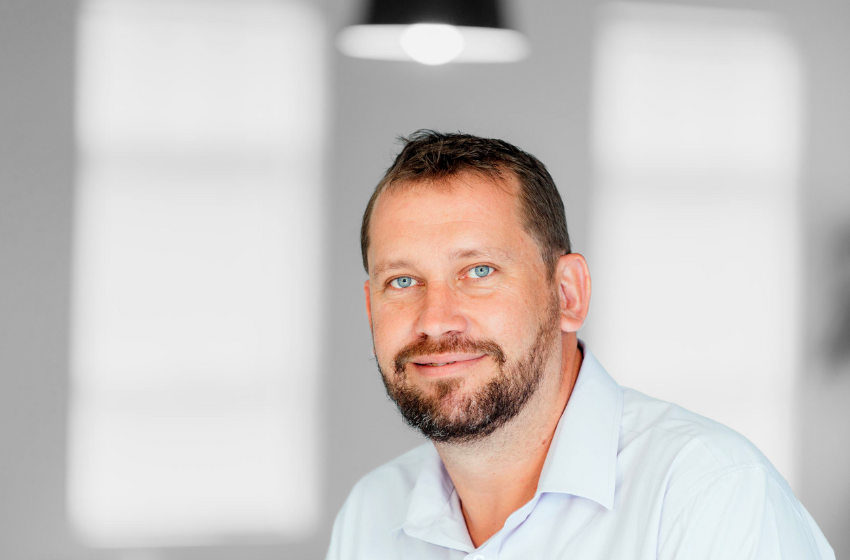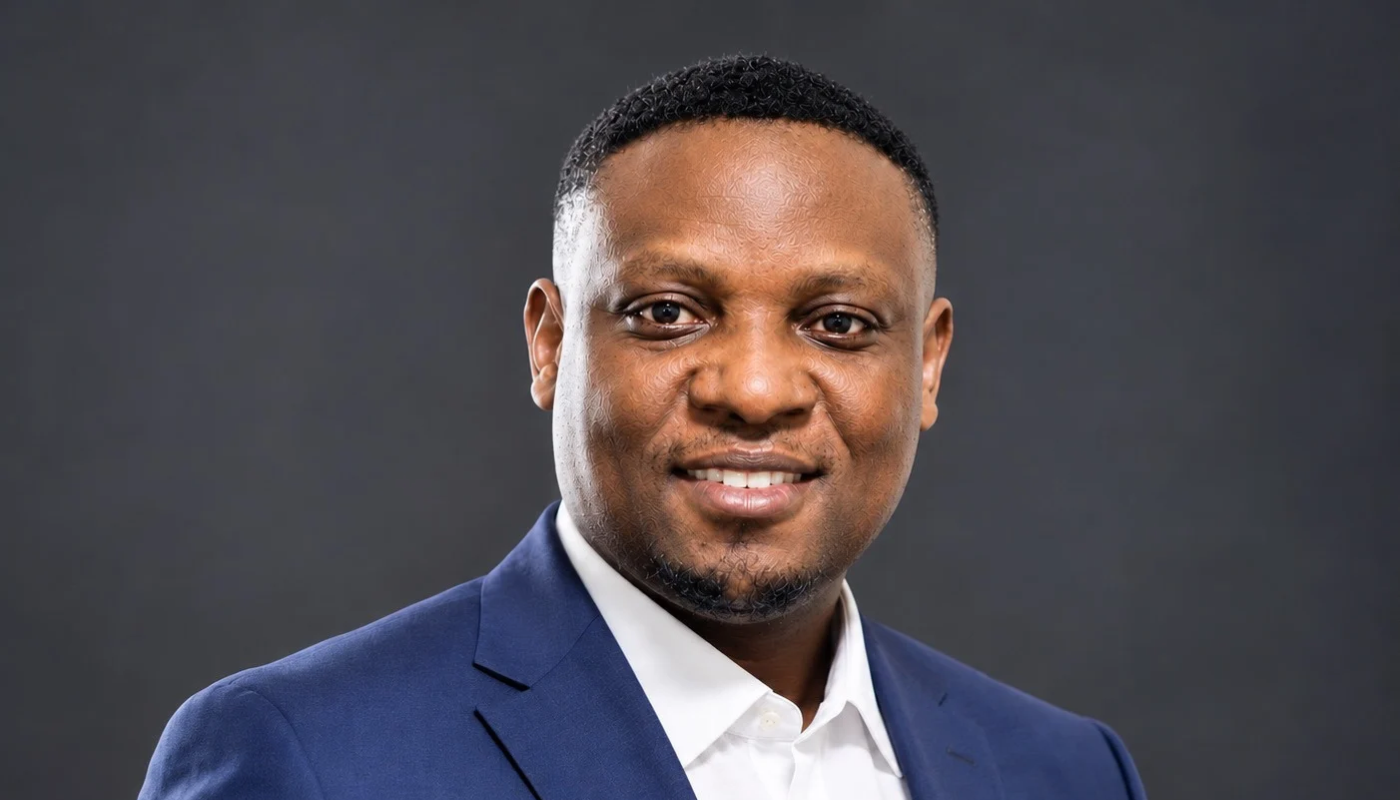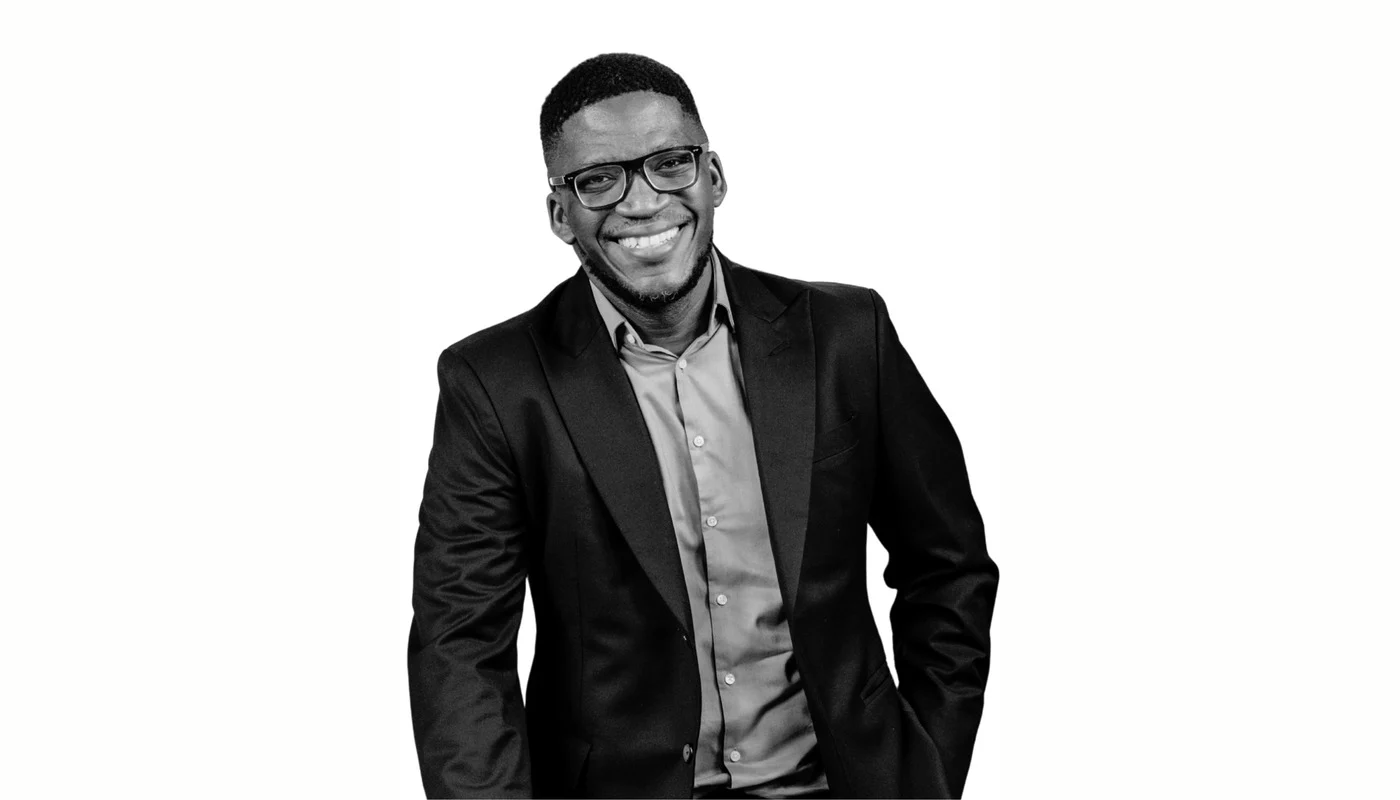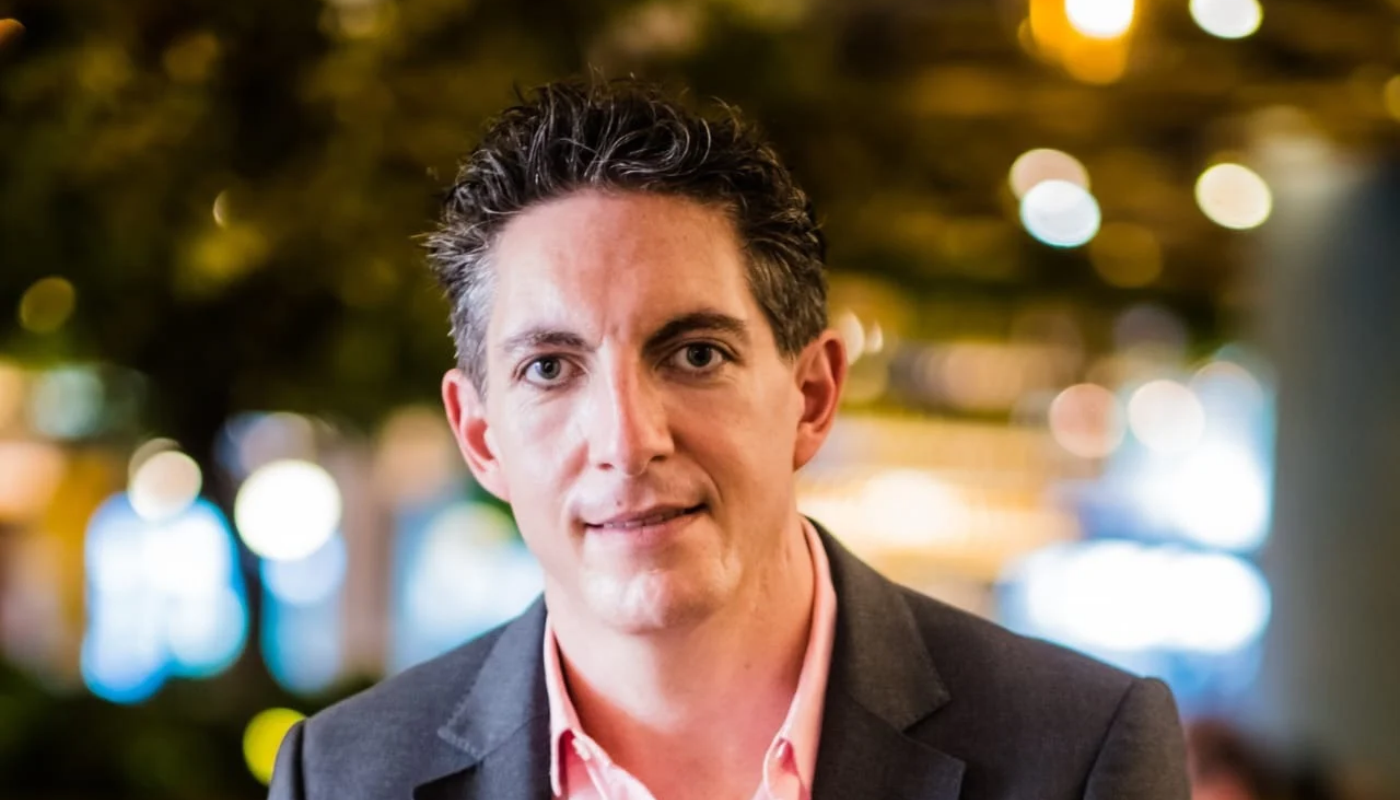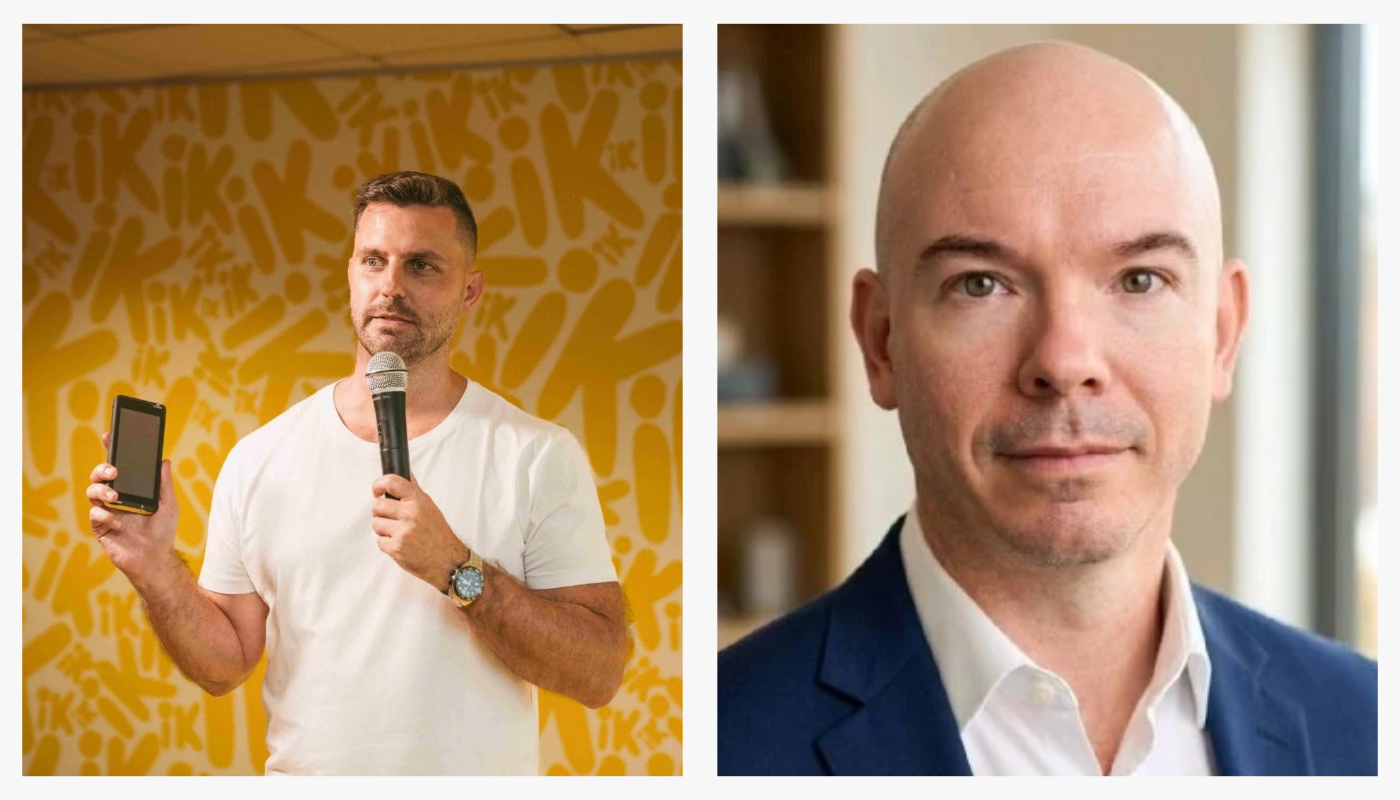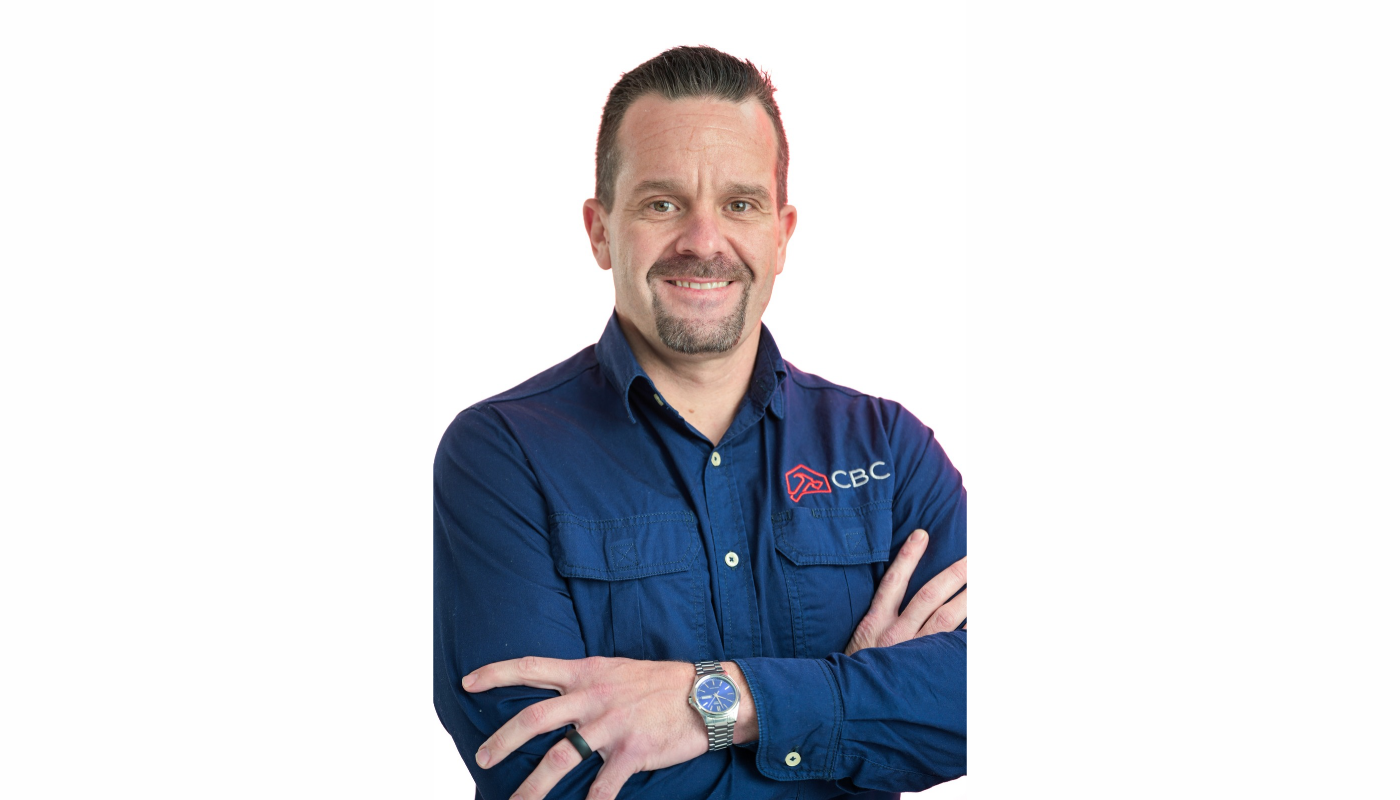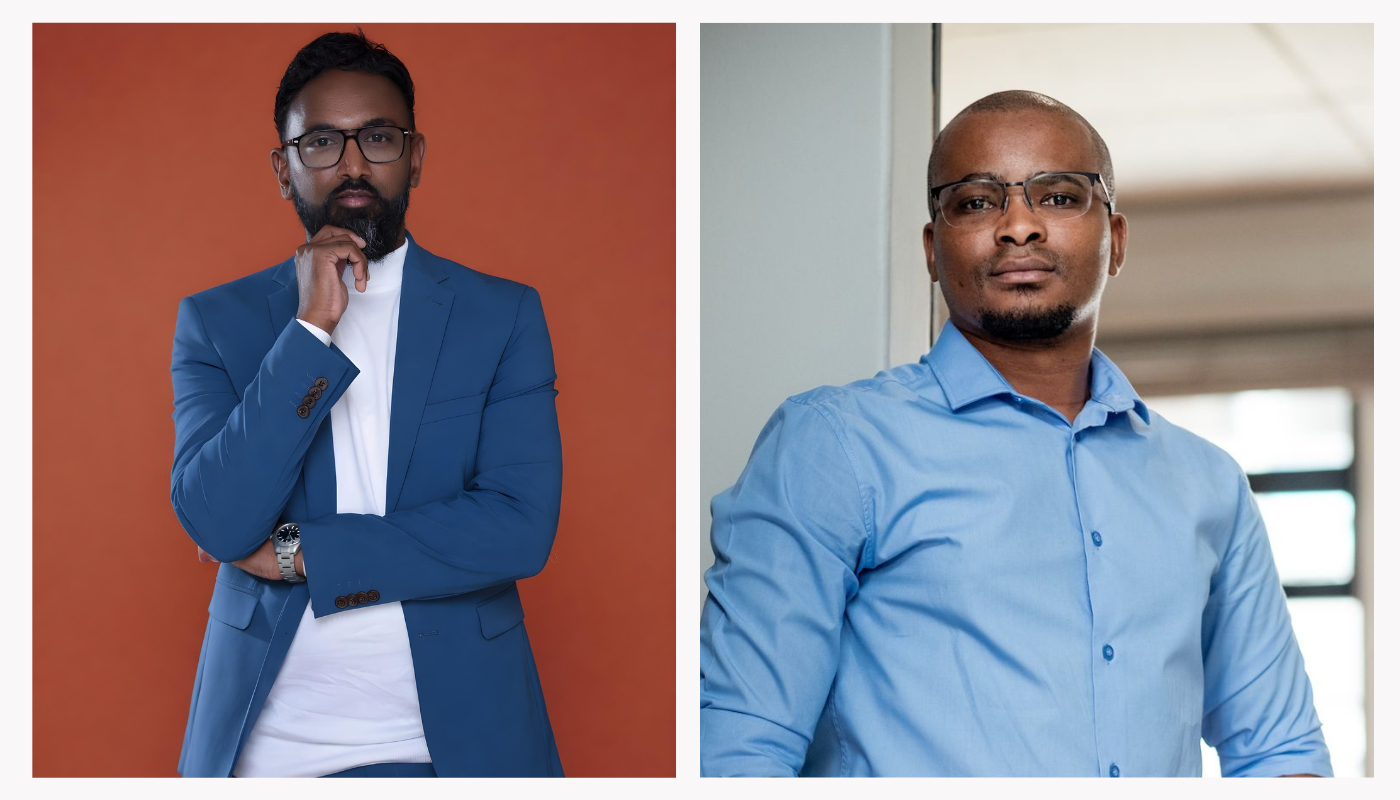
As Senso founder Zuko Mandlakazi takes his place among the Shell LiveWire Impact Makers 2026 finalists, Keegan Moodley, CEO of GROW Impact, an enterprise and supplier development company that helps build resilient black-owned businesses, reflects on five years of working with entrepreneurs and what it takes to build a business that can endure.
South Africa’s approximately three million micro, small and medium entrepreneurs employ around 13.4 million people. Of its 2.5 million micro-enterprises, 72% operate informally. These numbers may sound encouraging, but we must ask: How many are being deliberately built to become profitable, independent and able to endure?
Five years ago, I probably underestimated how little survival has to do with a great idea. Funding and market access matter, but businesses survive because entrepreneurs learn to make sound decisions when things get difficult. I quickly realised that a busy business is not necessarily a healthy business. Revenue can grow while cash disappears, and a corporate contract can create dangerous dependence on one customer. Can the business withstand a bad quarter and continue operating, including making payroll, if the founder is unavailable?
Capital does not build capability
Funding and training do not, by themselves, build a business, and neither does access to corporate opportunities. Funding is capital. It is not capability. Training transfers knowledge, but it does not guarantee implementation. Access to an opportunity is not the same as being ready to exploit it profitably and in a mutually beneficial way.
Each intervention can magnify an existing weakness when the business lacks the discipline or capacity to use it well. Give money to a business with poor financial discipline and you may fund bad decisions for longer. A large contract can destabilise a business that lacks the systems, cash flow or management capacity to deliver it. The same applies to training: send an entrepreneur to 20 workshops without changing what happens inside their business on Monday morning and very little has changed.
Enterprise and supplier development must stop confusing participation with progress. Attendance is not transformation, and training is not implementation. Funding is not resilience either. Instead of asking, “What support did we give this entrepreneur?” we should be asking, “What is now different in this business because of that support?”
The support an entrepreneur needs changes as the business develops because survival requires clarity on what they sell, who will buy it, whether each sale makes money and what cash is coming in. Stability requires repeatable sales and reliable operations supported by financial discipline, while sustainable growth demands a clear strategy and the ability to grow without losing quality or control.
At every stage, entrepreneurs need coaching, technical expertise, access to finance or trusted people who challenge their thinking. Our role is to understand where they are and where they want to go, then craft a bridge between the two and put their strategy into an executable framework.

Building the business behind Senso
Zuko Mandlakazi’s company, Senso, has developed a wearable that allows deaf and hard-of-hearing people to feel important sounds, including a fire alarm or a baby crying. He is the only South African and one of two African finalists in the Shell LiveWire Impact Makers 2026 awards.
Our work with Zuko began as Senso moved from product development into commercialisation and manufacturing. His choice to explore an established contract manufacturer before investing in his own infrastructure allows Senso to enter production and learn while reducing risk.
Building a business can often be considered “boring” because the foundations are laid through disciplined commercial decisions made away from awards and funding announcements. Through tenacity and resilience, Senso is moving from an impressive innovation story towards becoming a real, scalable business that can manufacture reliably and reach the market, then grow without losing control. The LiveWire recognition gives Zuko valuable global visibility, while its lasting value will be determined by how he uses that opportunity to support the business he is building.
There is a difference between output and outcome
Corporates need a baseline before a programme begins and must separate output from outcome. A strategy session is an output, while executing that strategy and improving profitability is an outcome. Financial training is also an output, while sound cash management shows change.
Our impact philosophy is simple: impact is not what’s delivered. Impact is what’s changed. The test continues after the programme ends by asking whether the business is trading profitably and has retained or created jobs, as well as whether it can continue without another intervention.
Black-owned businesses have been trained and moved through programmes, pitching repeatedly along the way, yet they remain underfunded and underutilised in the supply chains they were promised entry to. When an intervention fails to deliver commercial readiness or resilience, transformation simply becomes theatre.
This requires a shift in how we think about support because small businesses don’t need to be permanently supported; they need to be deliberately built. If we define success as what the beneficiary can do without us when the programme is over, then instead of building programmes, we start building businesses.
Enterprise and supplier development must create businesses that stop behaving like beneficiaries by building the commercial capability to continue when the intervention ends. South Africa has plenty of ideas and people prepared to start. The real value comes from helping them finish what they started.
Share via: