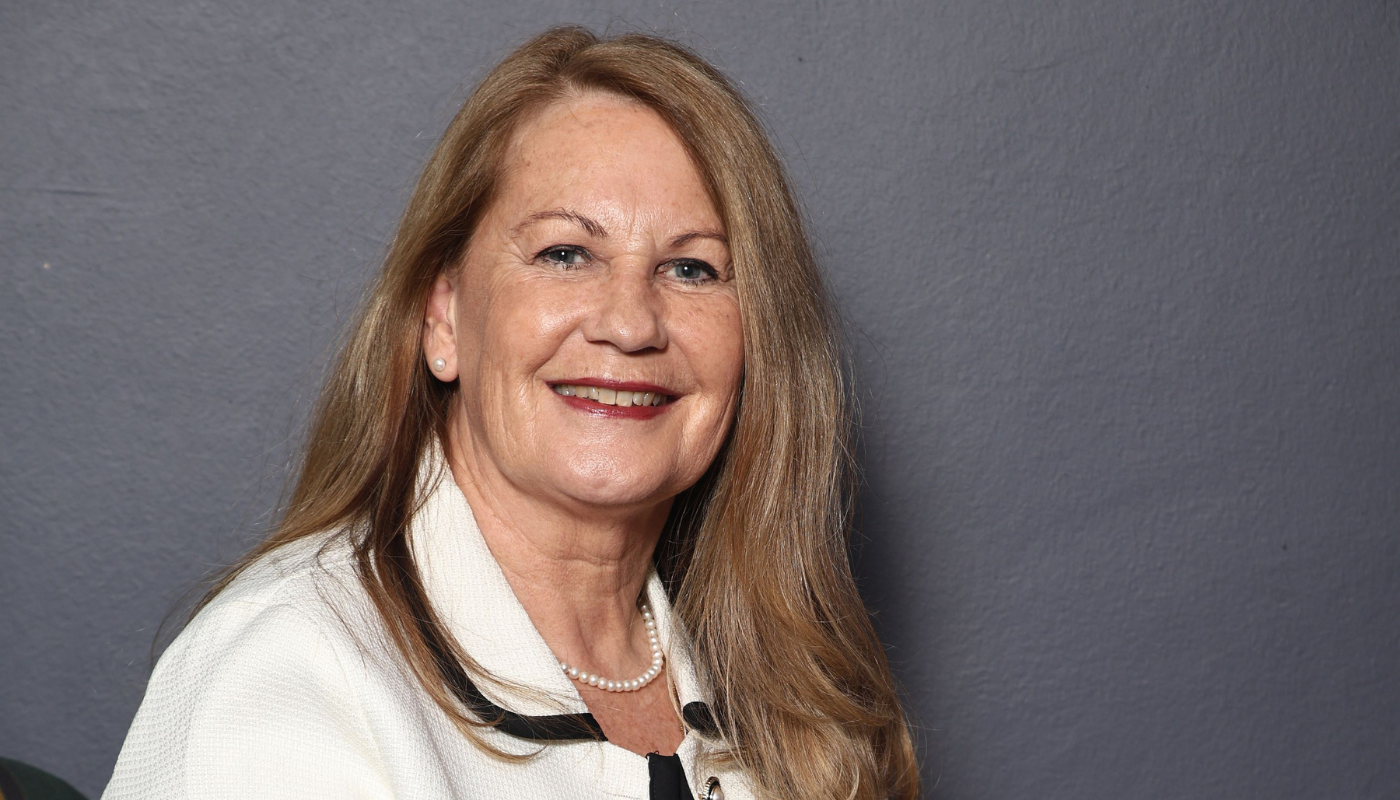
Image caption: Panel members from left to right.
- Crystal Orderson – Moderator and journalist.
- Yolanda Radu – Senior Researcher at the SAMRC Centre for Health Economics and Decision Science, PRICELESS SA.
- Alice Khan – Researcher at the School of Public Health, University of the Western Cape, focusing on the marketing of food and beverages to children.
- Dr Tamryn Frank – Researcher at the University of the Western Cape, working in the field of obesity and non-communicable disease prevention.
- Zukiswa Zimela – Communications Manager at HEALA, with experience in community mobilisation, health systems strengthening, policy advocacy and lobbying.
South Africa is facing a worsening health crisis linked to ultra-processed foods and the powerful marketing tactics used to sell these products to children. Nearly half of adults are overweight or obese, while childhood obesity has risen from 1 in 20 to 1 in 8 in just a decade.1 If left unchecked, more than 4 million children aged 5 to 19 could be living with obesity by 2031, placing South Africa among the top 10 worst-affected countries globally.1
Poor diets are driving rising rates of type 2 diabetes, hypertension, and heart disease, putting strain on families and the health system. Experts argue that mandatory Front-of-Package Warning Labels (FoPWL) are a simple, evidence-based measure to help families identify unhealthy products at a glance and curb deceptive marketing practices.2+3
South Africa’s Department of Health published a draft Regulation in April 2023, which would introduce front-of-package warning labels to help consumers make informed decisions and restrict misleading food marketing to children. But more than two years later, the draft regulation is yet to be implemented, despite strong public support and clear scientific evidence.4+5
“Protecting children means standing up to corporate power and putting health before profits,” said Nzama Mbalati, CEO of South African advocacy organisation, the Healthy Living Alliance (HEALA). “Warning labels work. They’ve reduced sugary drink consumption and cut children’s exposure to junk food advertising in countries like Chile and Mexico. We have the evidence. What we don’t have is the political will to act.”
Recent peer-reviewed research underscores the extent of the problem:
- Misleading marketing: Studies show that packaging for unhealthy foods often carries health claims like “good for growth” or “high in vitamins,” even when the products are high in sugar, salt or fat. These tactics shape children’s preferences and mislead parents.1
- Non-compliance with proposed rules: An audit of more than 6,700 packaged foods in South African supermarkets found that 80% would require a front-of-package warning under draft Regulation R3337. Over half used child-directed marketing such as cartoons, and 83% of health claims appeared on products that would carry a warning.2
- A right to health issue: From a legal perspective, front-of-package warning labels are a human rights obligation. International and South African law recognise the state’s duty to regulate the food environment and protect children from harmful commercial practices.3

The discussion included clips from the BBC documentary ‘Irresistible: Why We Can’t Stop Eating’ by Dr Chris van Tulleken who described the deliberate strategies companies use – from the addictive balance of salt, sugar and fat to the lure of free toys and collectables, to using cartoon characters that appeal to children to drive sales.
Dr Frank stressed that Front-of-Package labelling is a human rights issue. “Every child has the right to grow up in an environment that supports their health, not one that exploits them for profit. Front-of-Package Warning Labels cuts through marketing spin by putting the facts where consumers can’t miss them – on the front of the product. The state has a duty to step in and regulate where industry will not.”
Khan pointed out that ultra-processed foods have steadily displaced fresh fruit, vegetables and traditional diets in South Africa. “Reversing this trend is critical. We need to create conditions where healthier, more affordable foods are widely available so that families can return to eating in ways that support their wellbeing.”
In South Africa, Radu added, ultra-processed foods dominate supermarket shelves, while fresh fruit and vegetables are often too expensive or hard to find. “Reversing this trend is critical. We need to create conditions where healthier, more affordable foods are widely available so that families can return to traditional ways of eating that support their wellbeing. Unless we make healthier options accessible to everyone, diet-related diseases will continue to rise.”
The panel made it clear that Big Food’s marketing is relentless, and children are a prime target. “We see how packaging, advertising and even product design are carefully engineered to bypass parents and appeal directly to children,” Zimela said. “Divulging these tactics equips families with the knowledge they need to make healthier choices, helps the public understand what’s at stake and builds pressure for stronger protections and accountability.”
HEALA’s call to action
HEALA is leading the national call for Front-of-Package Warning Labels in South Africa. Through public campaigns and community roadshows, the organisation has been engaging parents, young people and health workers on the dangers of ultra-processed foods and the need for clear, visible labelling. HEALA argues that the Department of Health must finalise and implement mandatory front-of-package warning labels as a matter of urgency, warning that every delay leaves children exposed to aggressive and misleading food marketing.
“This is a low-cost, high-impact intervention that government can put in place right now,” said Mbalati. “Parents are trying to make healthy choices, but without clear and visible warnings, they’re set up to fail. Voluntary labelling schemes have failed here and elsewhere. What South Africa needs are warning labels that are mandatory, simple to understand and impossible to ignore. Anything less is a victory for the food industry at the expense of children’s health.”
For more on HEALA’s campaign, visit: https://heala.org
Instagram: https://www.instagram.com/betterlabels_za/?igshid=Y2ZmNzg0YzQ%3D
Facebook: https://www.facebook.com/betterlabelsza
BBC Documentary :
References
1. UNICEF, WHO, World Bank. Childhood obesity: A growing problem. Geneva: World Health Organization; 2023. Available from: https://www.who.int/publications/i/item/9789240051324
2. World Health Organization. Nutrition labelling policy brief. Geneva: WHO Regional Office for Europe; 2022. Available from: https://www.who.int/publications/i/item/9789240051324
3. Tarisayi-Radu Y, Mahomedy S. Front-of-package labelling: A public health imperative rooted in the right to health. Int J Equity Health. 2025;24:116. Available from: https://doi.org/10.1186/s12939-025-02473-8
4. Awethu.mobi. Don’t delay strong warning label regulations. Johannesburg: amandla.mobi; 2024. Available from: https://awethu.amandla.mobi/petitions/don-t-delay-strong-warning-label-regulations
5. Sulcas A. R3337 food labelling regulation changes delayed as health department drags feet in review process. Daily Maverick. 2024 Feb 16. Available from: https://www.dailymaverick.co.za/article/2024-02-16-r3337-food-labelling-regulation-changes-delayed
6. Bopape M, De Man J, Smith Taillie L, Ng SW, Murukutla N, Swart R. Effect of different front-of-package food labels on identification of unhealthy products and intention to purchase the products – A randomised controlled trial in South Africa. Appetite. 2022;179:106283. Available from: https://doi.org/10.1016/j.appet.2022.106283
Share via: