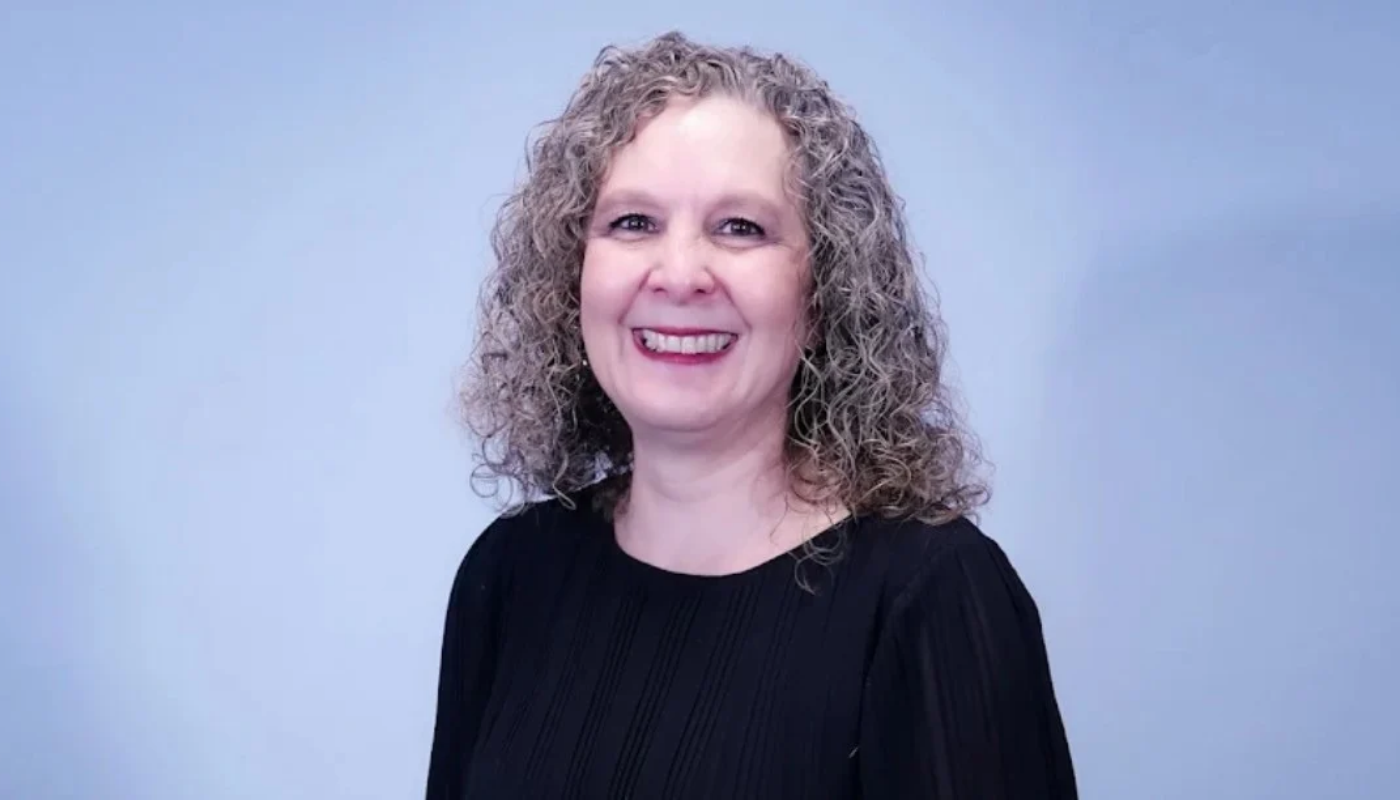
By Nadia Leita, Director at Leverage Leadership
We have become very good at talking about diversity. We publish the statistics, set representation targets, run awareness campaigns and talk about the importance of creating more inclusive workplaces.
But there is a question we do not ask often enough: what happens after we get diverse people through the door? Because representation without inclusion is little more than a numbers game.
You can have a diverse workforce and still have a culture where the loudest voice wins, where people are afraid to challenge decisions, where certain employees are consistently overlooked for opportunities, or where different perspectives are welcomed in theory but ignored in practice. That is why inclusive leadership matters.
And it is not the responsibility of HR, a diversity committee or a handful of passionate advocates. It is a leadership responsibility. It is everyone’s business.
Inclusive leadership starts with something deceptively simple: creating an environment where people feel able to contribute, challenge, question and be themselves without having to constantly calculate the consequences. That does not mean everyone has to agree. In fact, the opposite is true.
The best teams are not necessarily the most comfortable
A psychologically safe team is not one where everyone gets along all the time. It is one where people can say, “I disagree”, “I made a mistake” or “I don’t understand” without fearing that it will damage their credibility. That distinction matters.
If people are only comfortable speaking when they know their opinion will be well received, organisations are not creating inclusion. They are creating conformity.
This is also where we need to challenge another common leadership habit: the obsession with culture fit.
We often look for people who fit seamlessly into the culture we already have, but culture fit can be reassuring while culture add can be transformative. If we only hire, promote and listen to people who think, communicate and approach problems as we do, we risk creating harmony at the expense of fresh thinking. Sometimes we need to stretch ourselves and make room for the purple carrots – people, ideas and perspectives that look different, but add real value. This requires leaders to be genuinely curious about difference, not simply tolerant of it.
Leaders therefore have a critical role to play in making disagreement productive. They need to actively seek out perspectives that are different from their own, invite challenge and resist the temptation to reward agreement simply because it makes decision-making easier.
Sometimes the most valuable person in the room is the one asking the question nobody else thought to ask.

Inclusion happens in the small moments
Inclusive leadership is often discussed as though it requires a major organisational transformation. In reality, much of it happens in ordinary moments. Who gets asked for their opinion in a meeting? Who gets the stretch assignment? Who is given visibility with senior leaders? Whose mistake becomes a learning opportunity, and whose becomes a reason to question their capability? Who gets interrupted, and who gets listened to?
These decisions may seem insignificant individually. Collectively, they determine who feels valued, who develops, who progresses and ultimately who stays. This is where leadership becomes culture.
Inclusion is demonstrated, not declared
Creating an inclusive culture also means being prepared to use your influence when it matters.
It could mean calling attention to a colleague’s contribution when someone else receives the credit. It could mean recommending someone for an opportunity before they have asked for it. It could mean challenging an assumption about who is “ready” for leadership.
And sometimes, it means recognising that the person with the most potential may not be the person who is most comfortable promoting themselves.
Leaders need to look beyond confidence, familiarity and visibility and ask a better question: where is the potential we might be overlooking?
Inclusion is ultimately a performance issue
This is why I believe inclusive leadership should not be positioned simply as the right thing to do. It is also smart business.
When people with different experiences and perspectives can genuinely contribute, organisations have access to a broader pool of ideas. They are more likely to challenge assumptions, identify blind spots and approach problems from different angles.
But diversity only creates value when people are given the space and confidence to use it.
That is the leadership challenge. We do not need another generation of leaders who can talk convincingly about inclusion while continuing to lead in ways that leave people out.
We need leaders who understand that inclusion is built through everyday behaviour, who we listen to, who we develop, whose ideas we challenge, whose potential we recognise and whose voice we make room for.
Because inclusive leadership is not about giving some people a seat at the table. It is about creating a table where everyone can contribute, and where the organisation is stronger because they do.
Share via: