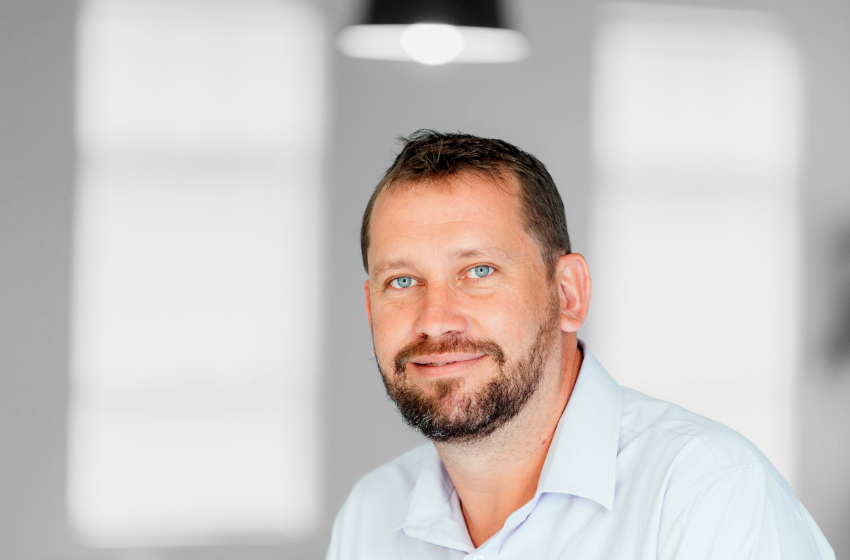
South Africa’s property development sector is entering 2026 on firmer ground than it has in several years. However, meaningful growth will depend on decisive government action. According to BPAS Architects director Landseer Collen, this includes a commitment to fixing infrastructure to enable long-term urban development.
After five years marked by economic shocks, rising interest rates, load shedding and grey-listing, the sector is emerging from survival mode. While sentiment has improved and capital is cautiously returning, investors are now far more selective and sensitive to risk.
“Capital is no longer chasing scale at any cost,” says Collen. “Investors want assets that are financially, operationally and institutionally resilient. The sector is more mature, but it is also facing new pressures.”
The country’s property development landscape has fundamentally changed over the past decade. Expansion and sprawl have given way to efficiency, adaptability and specialisation. Logistics facilities, data infrastructure, mixed-use precincts and green-certified buildings are increasingly the norm rather than the exception. However, this maturation is unfolding against a backdrop of deteriorating municipal infrastructure, which places a significant constraint on development.
Water reliability, waste management and road maintenance are no longer peripheral concerns. They directly affect asset values, operational costs and long-term feasibility. In many cases, developers are forced to provide services traditionally delivered by municipalities, increasing the cost of development.
“Poor service delivery acts as a hidden tax on development,” Collen notes. “It reduces feasibility, slows delivery and ultimately discourages investment in the areas that need it most.”
The right conditions create the right opportunities
Despite the country’s significant service delivery and infrastructure challenges, there are glimmers of hope. The strong performance of South African REITs in 2025 has helped restore investor confidence. High-spec logistics, data centres and specialised mixed-use developments are showing renewed momentum.
There is also growing opportunity in the refurbishment and repositioning of existing buildings. Retrofitting assets to be energy-independent, water-secure and technologically enabled is becoming a major driver of long-term value.
While the Western Cape continues to attract strong interest, Collen notes increasing opportunities in secondary cities where higher yields can justify additional risk, provided governance and infrastructure fundamentals are in place.
Government action matters
For the property development sector to move from recovery to growth, Collen argues that South Africa must shift from reactive infrastructure maintenance to proactive spatial planning. This requires a fundamental change in how government engages with the private sector.
“Property developers are partners in building functional cities, not simply sources of revenue,” says Collen. “Streamlining planning approvals, land-use rights and regulatory processes would unlock significant private-sector investment almost immediately.”
The economic benefits extend well beyond property. A healthy development sector creates jobs across the construction value chain and delivers the infrastructure that enables small businesses, service industries and global firms to operate effectively. Well-designed cities lower the cost of doing business and improve national competitiveness.
A robust internal culture is built from the ground up. It is less about “fun Fridays” and entirely about building a solid foundation that promotes a purpose-driven environment designed for people to thrive.
In an era defined by economic volatility, rapid technological disruption and shifting employee expectations, a human-centric culture must be a strategic imperative.
Culture as psychological safety
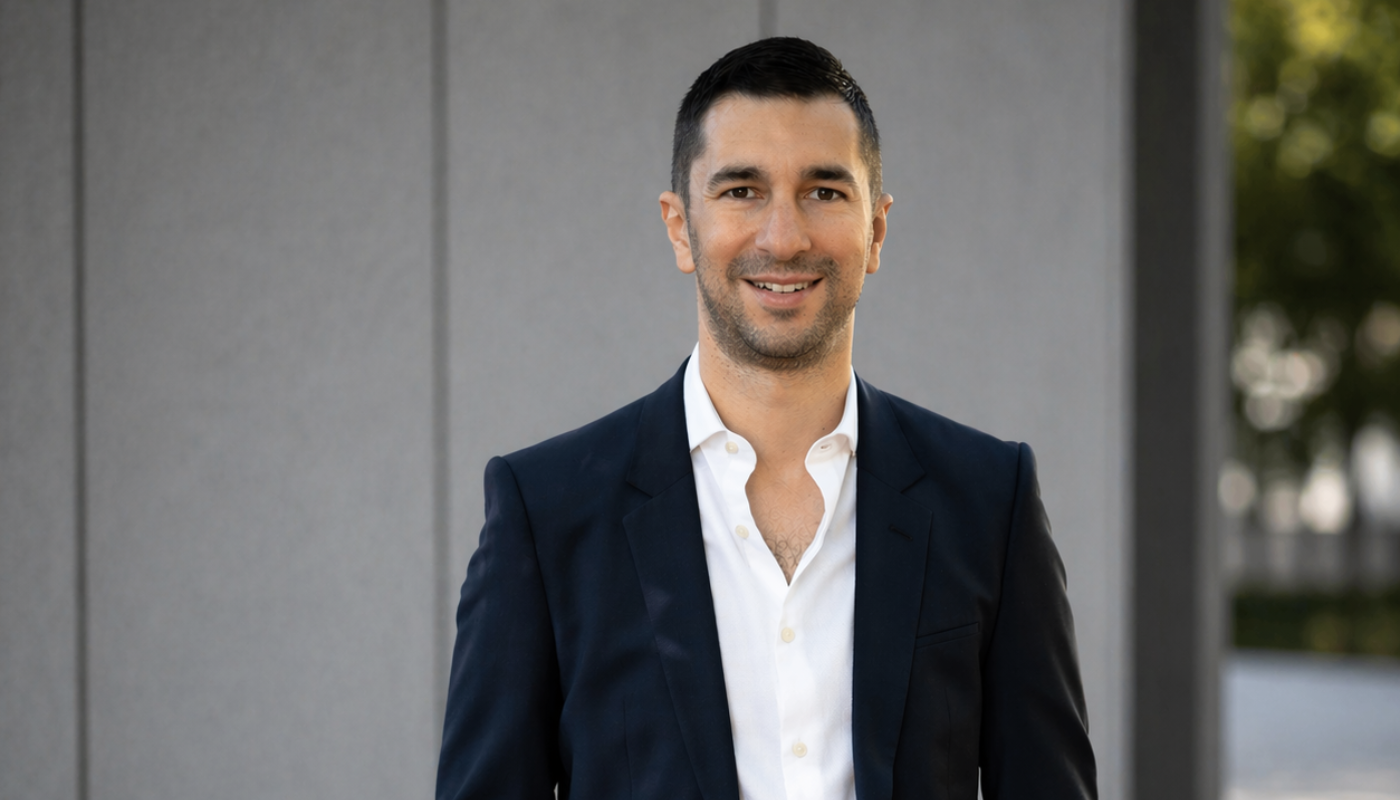
“By now we must stop viewing ‘culture’ as a soft elective and start treating it as the internal architecture of organisational resilience,” says Lindiwe Maseko, Head of HR at CMS South Africa. Maseko argues that building a human-centric culture means moving beyond fancy coffee or forced get-togethers to focus on policy-driven psychological safety.
According to Maseko, any organisation’s culture is only as strong as its underlying frameworks. Efforts to introduce superficial perks will fundamentally fail if the foundational architecture is rocky. Employees cannot thrive if they are operating in environments defined by uncertainty, inconsistent leadership behaviour, excessive pressure, or a lack of trust.
“Employees increasingly want a culture that provides fairness, transparency, growth opportunities, meaningful leadership engagement and clarity around expectations and performance,” she says.
In high-pressure modern environments, leadership’s true role starts with a strategic view of what makes a great internal culture. Maseko explains: “It requires the ability to diagnose challenges correctly and act appropriately, such as distinguishing between a skills gap and genuine burnout or distress within a team.”
Maseko believes that by auditing and addressing friction points that hamper performance, leaders can build a psychologically safe environment. Ultimately, this serves as an effective form of risk management, ensuring people spend their energy on innovation, collaboration, and client impact rather than self-preservation.

Local government elections: a pivotal moment
Collen expects a mixed impact on the sector in this local government election year. While election cycles often slow decision-making, they also create opportunities for reform and renewed accountability.
Capital is increasingly flowing toward municipalities with strong governance, transparent processes and administrative capacity, while poorly governed areas continue to experience disinvestment. Voters are noticing these trends.
“Governance risk is now being priced directly into investment decisions,” he says. “Municipal performance has become as important as location.”
How to move forward
Collen emphasises that property development is inherently collaborative. For the sector to reach its potential, there is a role for government to provide policy certainty, reliable infrastructure and protection of shared public assets such as roads, bulk services and transport networks.
However, government is not the only stakeholder. Financiers need to expand innovative green and sustainability-linked funding models that recognise long-term asset resilience. The real estate sector should provide deeper, data-driven insight into how people live, work and move through cities. Clients, meanwhile, must adopt a long-term mindset, recognising architecture as a generational investment rather than a short-term cost.
When these stakeholders align, the sector becomes significantly more resilient and investable.
Not quite there yet
Systemic inefficiencies continue to constrain the country’s property development sector, despite world-class talent, sophisticated financiers and strong underlying demand. Collen believes the next phase of growth depends on rethinking how developments are conceived and delivered.
This includes deeper use of technology such as Building Information Modelling (BIM) and AI to reduce costs and speed up delivery, stronger public-private collaboration, and a shift away from isolated buildings toward integrated urban systems.
“Buildings cannot be treated as stand-alone objects,” Collen concludes. “They must be connected, resilient and responsive to how cities actually function. If we get that right — and if government creates the right enabling environment — property development can be a powerful engine for economic growth.”
Share via: