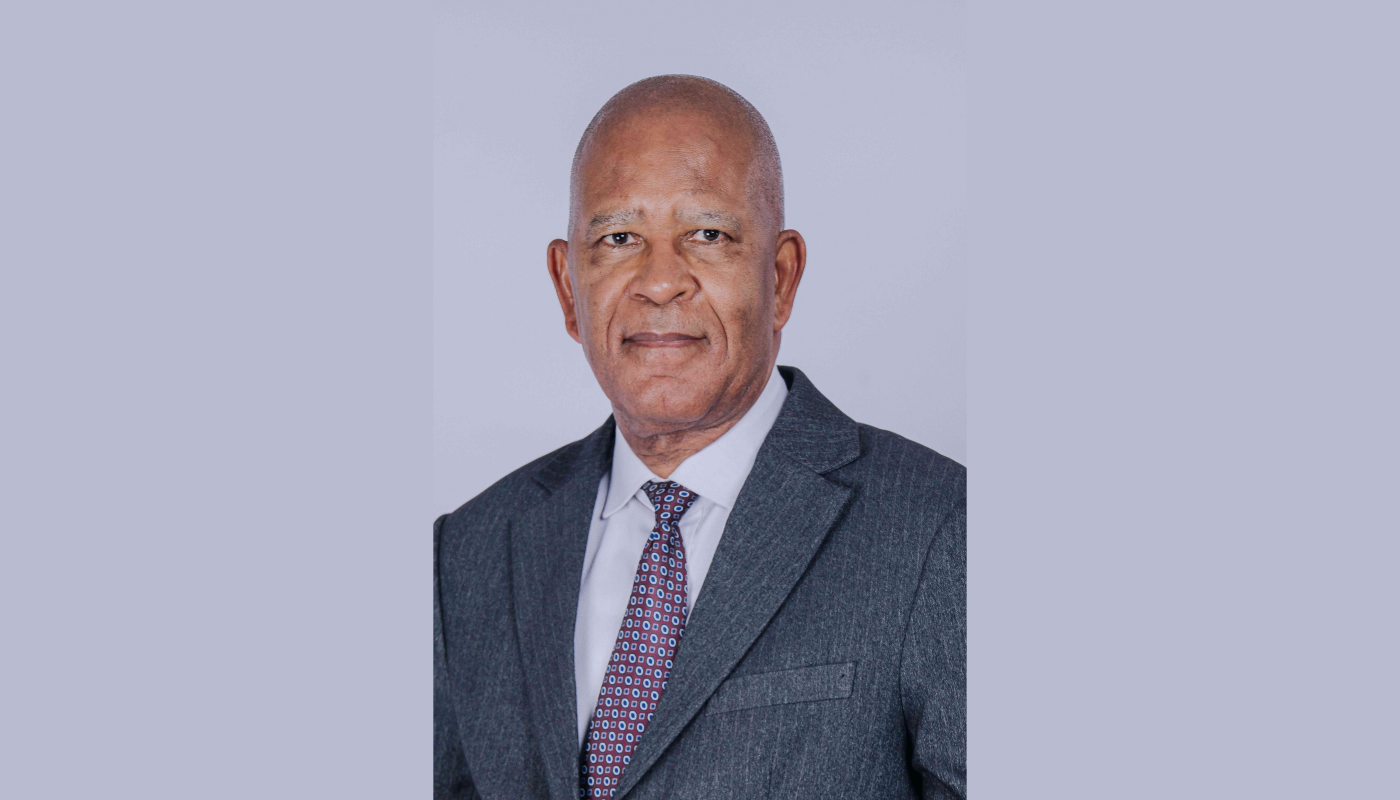
By Stefan Botha, CEO, Optimi Group
South Africa’s skills conversation has regained momentum in recent weeks, with workplace-linked learning even referenced in the President’s State of the Nation Address (SONA) last month. But the bigger point is this: the real-world pressure on skills development is no longer coming from policy speeches; it’s coming from the market.
Employers are navigating a tough mix of slow growth, rising costs, changing customer expectations, and faster digital adoption. At the same time, employees and jobseekers are trying to stay employable in a world where job roles shift quickly and career paths are less predictable than they used to be. In this environment, upskilling is a practical, measurable lever for performance, resilience and growth.
Upskilling has become a business-growth issue
For many years, many organisations treated training as either a compliance requirement or a “perk”; something you do when budgets are healthy and time is available. But in 2026, that mindset is increasingly out of step with reality.
Skills gaps show up everywhere in things like slower delivery and missed deadlines, inconsistent quality and rework, poor customer experiences, safety and compliance risks, low adoption of new systems and tools, and stalled transformation projects.
The cost is not abstract. It lands on productivity, margins and reputation. In contrast, organisations that build capability deliberately tend to unlock the outcomes that matter most in a constrained economy: higher output per employee, better decision-making, more consistent execution, and stronger retention. People stay longer when they can see growth, and they perform better when they are trained for the work they are actually expected to do.

What employers should prioritise in 2026
The question that should be on every agenda is, “What kind of skills investment produces value fastest?”
Here are three priorities employers should put at the top of the list this year:
1) Shift from “training events” to role-based capability pathways
Once-off workshops have their place, but they don’t build depth. Employers need structured pathways that are linked to real job roles, with clear progression, assessment, and practical application. That means designing learning around what good performance looks like in a specific role, and ensuring employees can demonstrate competence, not just attendance.
2) Build workplace exposure into development
A key theme in the national conversation is workplace-linked learning, and for good reason! Skills develop faster when learning is tied to real tasks, supervised practice, and feedback loops. Workplace exposure doesn’t only apply to entry-level learners. It’s equally relevant for existing staff who need to step into new responsibilities or adapt to new tools. Shadowing, supervised projects, mentorship, and structured on-the-job learning are often where real capability is built.
3) Focus on “durable skills” plus practical digital confidence
There is understandable focus on technical skills, but many organisations underestimate the value of durable skills that drive execution: communication, problem-solving, planning, accountability, customer orientation and teamwork. At the same time, digital confidence has become foundational. Most roles now involve digital workflows, data touchpoints, or technology-enabled processes. Upskilling should therefore include practical digital fluency that helps employees operate effectively in modern environments, not theoretical training that stays in a manual.
Why occupational training matters
Occupational training is one of the most direct ways to connect skills development to employability. When programmes are aligned to real occupations, assessment is meaningful, and workplace learning is integrated, the result is clearer pathways into work, and stronger confidence for employers hiring into those roles. This is also where partnerships become essential. No single institution, employer, or sector can build the skills pipeline alone. We need collaboration between employers who understand demand, and training providers who can design and deliver relevant learning, with credible assessment and support.
When that partnership works, everyone benefits. Employers develop talent that fits their operational reality, learners gain job-relevant capability and stronger employment prospects, and the economy benefits from improved productivity and participation.
A practical reality: working adults need flexible pathways
A major part of the employability conversation is adult learners: those people who are already working, raising families, supporting households, and managing financial responsibilities. For many of them, studying full-time is not a realistic option at all. That’s why flexibility is an access requirement. But flexibility alone is not enough. Adult learners also need structure, support, and clear outcomes. The right model makes it possible to learn without putting life on hold, while still building credible, job-relevant skills that translate into opportunity.
For employers, supporting adult learning is not only a social good. It is a workforce strategy. When organisations help employees build capability, they reduce turnover, strengthen internal mobility, and develop leadership pipelines that are rooted in real operational experience.
What “good” looks like
If you’re an employer, HR leader, or business owner thinking about skills development in 2026, these are the practical steps that matter:
- Treat skills as a delivery strategy. If it improves execution, it is not discretionary.
- Link learning to roles and outcomes. Prioritise capability, not attendance.
- Integrate workplace exposure. Skills grow through practice and feedback, not slides alone.
- Build partnerships. Co-design programmes with providers that understand occupational pathways and can support learners properly.
- Make it accessible for working adults. Flexible delivery must be matched with strong learner support and credible assessment.
The real point of the skills conversation
SONA may have helped bring skills back into the spotlight, but the demand for upskilling is being driven by something more immediate: the economy we are operating in right now. South Africa cannot grow without a workforce that can execute. Businesses cannot compete without teams that can adapt. Individuals cannot remain employable without continuously building relevant skills.
Skills development is not a “nice-to-have.” It is one of the few levers we can pull that improves performance, strengthens employability, and builds resilience at the same time. And in 2026, that combination is exactly what the country’s workforce needs.
ENDS
Share via: