Leveraging waste management to address this issue
Water is the most critical yet threatened resource globally. The UNU, warns long-term water use has exceeded renewable inflows and safe depletion limits. As a result, parts of our natural water capital – including rivers, lakes, aquifers, wetlands, soils, and glaciers – have been damaged beyond realistic prospects of full recovery.
In 2022 alone, 2.2 billion people lacked safely managed drinking water, 3.5 billion people lacked safely managed sanitation and 2 billion people lacked basic hand‑hygiene facilities at home all in the same year. This global shortage is also echoed locally, where Johannesburg finds itself in crisis – from infrastructure failures to system pressures and widespread outages. A clear demonstration of how quickly water insecurity can escalate when system. This signals a need for urgent interventions to preserve and protect this resource.
Water as a national priority
It is no secret that South Africa has had a water challenge for several years and is known as one of the 30 most water-scarce countries in the world, and many believe that the country will face a major water crisis in the coming decade. The National Water and Sanitation Master plan indicates that water demand will exceed the available supply at the required level of assurance by between 1,6 billion and 2,7 billion cubic metres by 2030.
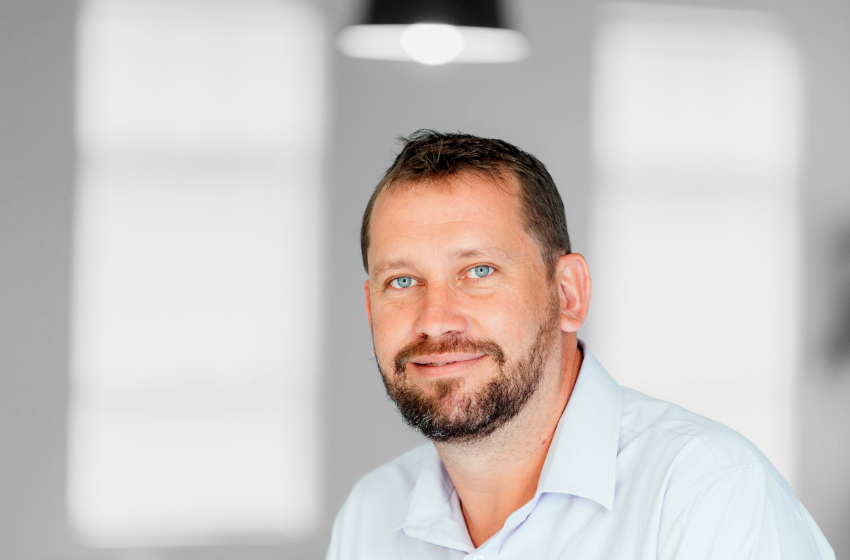
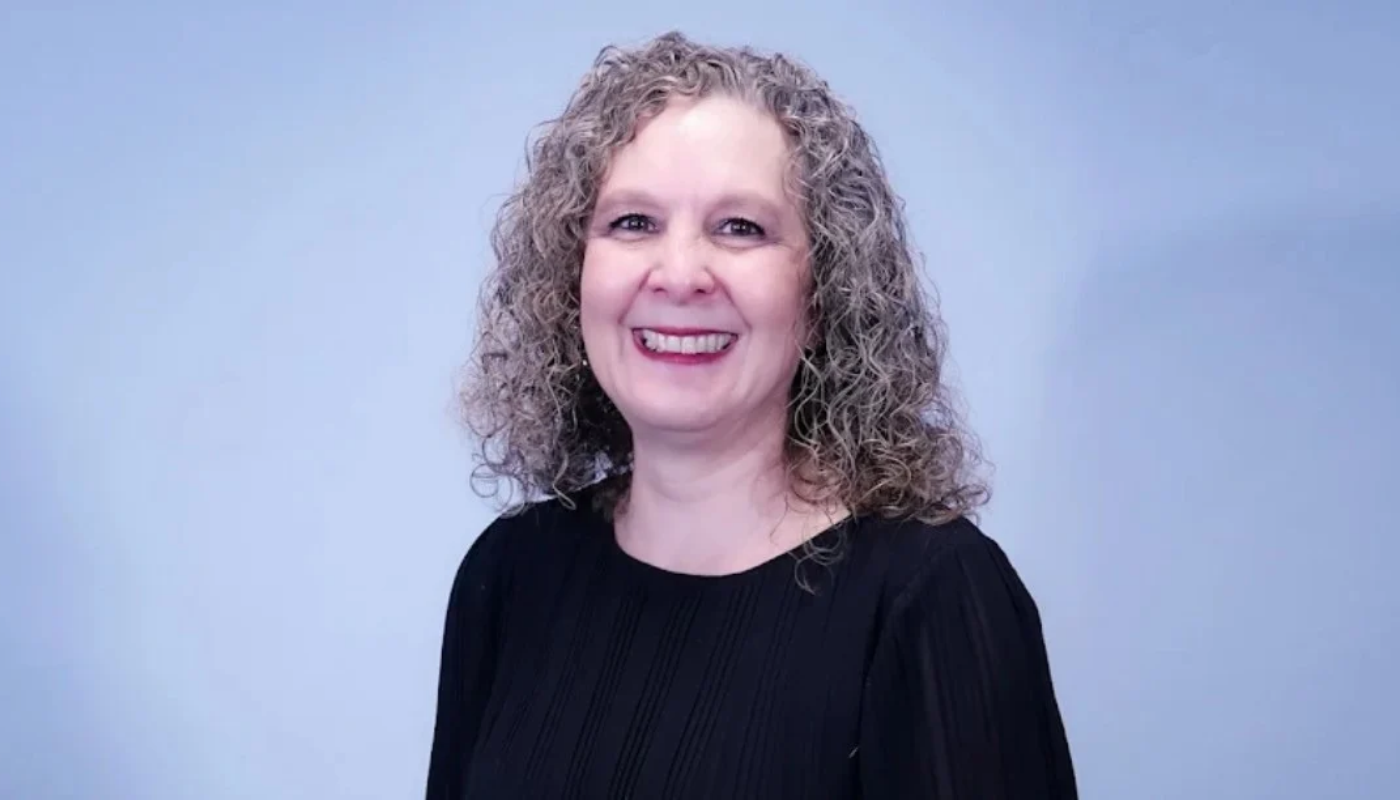
“We are continuing to see that South Africa is in a constant state of water security crisis, which needs urgent attention to address the infrastructure challenges that it is facing,” Shoba Govender, Commercial Director at Interwaste comments. “A report to Parliament highlighting the critical status of water in Johannesburg noted that non-revenue water is pegged at 44.8%. A disheartening reality that the city bills and collects only 55.2% of water revenue – resulting in an annual deficit of almost R7 billion. Unfortunately, this means, aging wastewater management infrastructure often takes a back seat to urgent repairs and maintenance, leading to leaky water pipeline system with an economic and health impact.
On average, South Africans’ consumption of water is 218 litres per capita per day, compared to the international average of 173 litres per capita per day. So, the questions become, who takes responsibility for water preservation, supply, quality and access in the country. And how is this duty shared by government and the private sector.

The case for waste management for water security
Govender stresses: “To effectively address the water crisis, it is key to understand that waste treatment technologies optimise water management and reuse cycles, supporting both government and industry in building resilience. Water resilience is about ensuring utilities can withstand and quickly recover from disasters, securing continuous access to safe drinking water and effective wastewater treatment.”
Adaptable solutions need to be developed for the big corporate, as well as everyday consumers – where wastewater treatment becomes the norm and not a far-off vision. Without this approach the lack of adequate clean water required to meet human drinking water and sanitation needs will remain. In this season, there has never been a better and more pressing time for companies within the public and private sector to play their part in the sustainable management of water resources.
“Protecting our limited water resources is going to require not only better recycling and reuse, but more effective wastewater management and water conservation strategies,” adds Govender.
Water is a limited resource that is essential for all life on this planet, which makes it more astounding that so many of us simply take it for granted, especially in a semi-arid country like South Africa. Given the unpredictable nature of climate change and the increasing demands on limited water resources, the potential for water scarcity to become a severe crisis in South Africa unfortunately remains high.
Solutions for impact
“Wastewater, and the treatment thereof, has become a critical consideration to addressing scarcity and safety issues. Effluent water treatment is one example. If treated to the required standards, as set out by national environmental agencies, we have found that nearly all effluent can be recycled, if done properly, a significant additional water resource becomes available, which previously may not have been considered as ‘safe’ for the environment or community.”
A great example is the Interwaste Leachate and Effluent treatment plant, which recovers in excess of 90% of incoming leachate and effluent as clean water, which adds up to approximately 36 million litres annually. This not only eases pressure on freshwater resources but also reinforces Interwaste’s commitment to water conservation, responsible resource use, and biodiversity protection. As such, the facility stands as a strong example of how innovative technology can address the country’s mounting water challenges while enabling sustainable industrial practices.
Essentially the focus is on innovating around infrastructure and technologies, addressing skill deficiencies and planning for the impact of climate change.
Our treatment plant results in the redistribution of this water into the environment for irrigation and dust suppression, as well as replenishing rivers and catchments in our water infrastructure networks. The different technologies are so advanced today, that effluent can even be treated further to provide potable (drinking) water for areas where it is in short supply,” adds Govender.
As we commemorate World Water Day on 22nd March 2026, we need to remember it’s a collective effort. Business, communities, individuals and government all need to take greater collective responsibility and awareness of the potential of well-managed, compliant, and innovative waste management solutions to sustain water supply. The reality, however, is that we face increasing pressure on infrastructure and natural resources, and while wastewater management is not the standalone solution, it plays a crucial role in addressing water security.
Share via: